

Long working hours. Ageing. Weakness. Injury. Middle-age men. Pregnant Women. Grandfathers in their 70s. The list can go on.
Lower back pain comes in all forms and to people across all ages and gender. Fortunately, most back pains go away with rest and simple home remedies.
But what if they persist for longer? What if there is a not-so-common underlying condition behind this common back pain?
In the article we shall discuss:
- Brief Anatomy and Key Terms
- Types of Lower Back Pain
- Risk factors of Lower Back Pain
- Most Common Causes of Lower Back Pain
- When Lower Back Pain Can Be Serious
- Home Remedies of Lower Back Pain
- Simple Tips to Prevent Back Pain
1. Brief Anatomy of Your Back
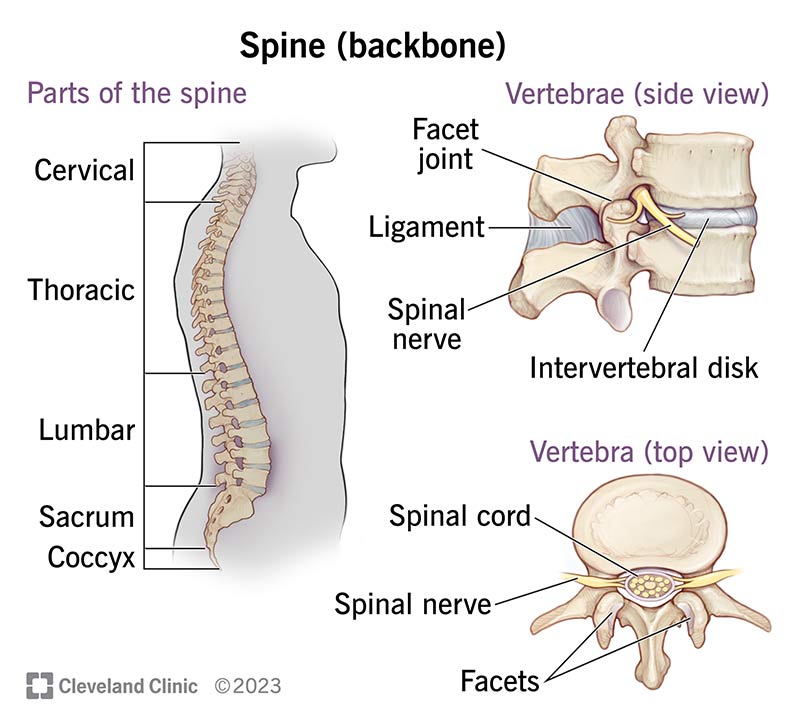
Before you understand why your back aches, it’s important to first have a general understanding about your back.
So, what is your back made up of?
The vertebral column or spine, cartilage and muscles. Ligaments and tendons to hold them together. And then there are nerves and blood vessels.
A malfunction, deformity or injury to any of these parts can result in back pain. If you want a detailed explanation of all the muscles, bones and ligaments of your lower back, you will find this resource useful. [1]
But, here are some key things you need to have an idea about:
- The backbone, medically referred to as spine or vertebral column is the main skeleton of your back. Coccyx is the lowest portion of your vertebral column often referred to as the tail bone.
Between two vertebrae or spine bones, you have a relatively soft, elastic cushion material known discs. The discs help to reduce the friction between two bones of your spines.
- Ligaments connect two bones, while tendons connect two muscles.
- There are two types of nerves: motor and sensory. The motor nerves regulate the movement of your back muscles, while the sensory nerves of your lower back are responsible for sending the sensory signals such as pain, temperature back to your brain.
Medically, these are the most common medical terms you’ll come across when you will be dealing with lower back pain:
- Sprain: an injury to your ligaments.
- Strain: an injury to your tendons or muscles.
- Disc herniation: Disc herniation is when the disc or the elastic cushion present between your two vertebrae slips over another vertebra, or bulges out from its original position.
- Stenosis refers to narrowing of the space in the spinal column across which your spinal nerves and blood vessels pass through.
- Osteomyelitis refers to bone infection, while osteoporosis refers to weakening of your bones.
2. Lower Back Pain Types
Lower back pain can be divided into many types based on their causative factor, but clinicians divide it into three broad types based on the duration of the pain:
Acute back pain: Pain lasting from few days to less than 4 weeks.
Subacute back pain: Pain lasting from 4 to 12 weeks.
Chronic back pain: Pain lasting for more than 12 weeks.
3. Risk Factors for Lower Back Pain
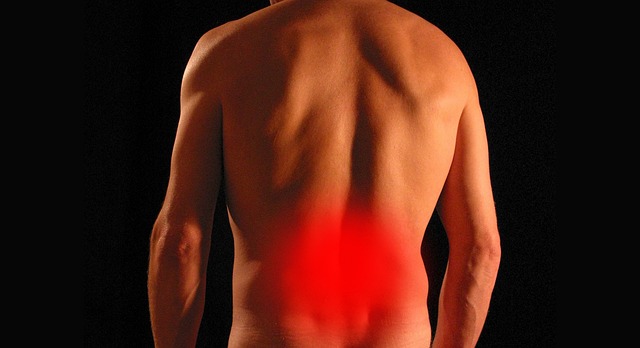
Here are the most common factors which increases your risks of getting a lower back pain:
- Posture: Inappropriate posture has long been linked as a risk factor for low back pain. For instance, this research shows that prolonged sitting time can lead to slumped posture, especially in adolescence. [4]
- Physical Inactivity: Studies have shown that sedentary life and prolonged sitting time are significant factors that increase the risk of getting lower back pain. [2] This is true for both occupational related sedentary life-style like sitting for long hours in the office as well as for long-hours of driving.
- Obesity: Obesity not only increases the pressure on your joints, but also increases the force on your back.
- Stress and Anxiety: Stress and anxiety aggravate almost every health condition and this includes back pain too.
- Old age: As ageing sweeps in, your muscles become weaker, and you suffer from spinal stenosis, or narrowing of your spinal column, which causes irritation to your spinal nerves. As a result, you become prone to feeling pain in your lower back. [5]
4. Most Common Causes of Lower Back Pain
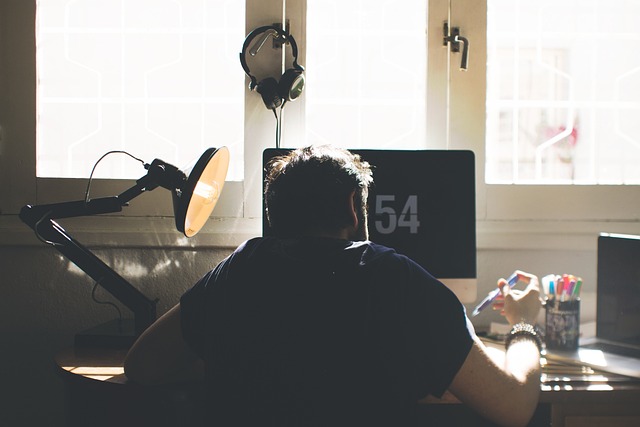
Your lower back pain might be temporary or permanent.
The most common causes of temporary lower back pain include:
- Menstrual cramps
- Pregnancy
- Long hours of sitting or strenuous exercise.
In addition to these, these are some causes which might cause you to have back pain for a longer period of time [6]:
- Strains and Sprains
- Accidents can cause a fracture in your spine causing lower back pain.
- Intervertebral disc herniation or degenerative disc disease can also cause back pain.
- Osteoporosis (weakening of your bone) and osteoarthritis (breaking down of your cartilage)
- Inflammation, infection and sometimes tumors can also cause back pain.
5. When Lower Back Pain Can Be Serious
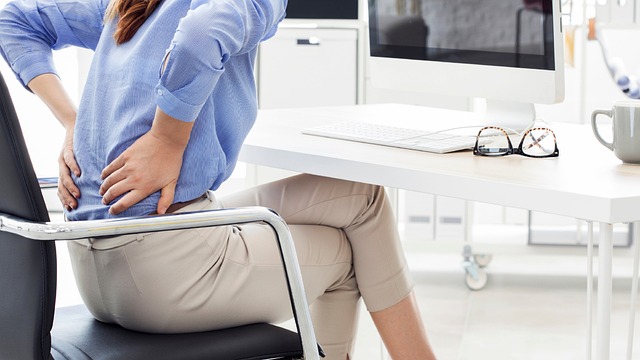
While lower back pain is common, and is not considered a life-threatening emergency, sometimes your back pain might just be a symptom. Beneath it might be an underlying condition which can be potentially dangerous.
Some of these include:
- Referred Pain: This means you are feeling pain from some another part of your body most likely your kidney. This is a sign you have a kidney issue. Other causes include lung, colic and aortic pathology.
- If the pain radiates down to your legs, it might be sciatica (a nerve lesion in the sciatic nerve of your body).
- If you have problem urination or defecation, you need to medical consultation immediately.
6. Home Remedies

It is best advisable that you seek medical consultation if your pain persists for more than a few weeks. In the meantime, here are some home remedies you might find useful:
- Hot or cold compress: Apply a heating pad or hot water bottle for muscle relaxation. You can also use an ice pack to reduce inflammation.
- Stretching exercises: Gentle and light stretching can improve flexibility and reduce your back pain. But don’t stretch too much if you feel it’s making your pain worse.
- Over-the-counter pain relievers: Non-prescription medications like ibuprofen or acetaminophen can provide temporary relief. But prolonged used of these medication over few weeks is not suggested.
- Sleep with proper support: Use a supportive mattress and place a pillow under your knees to align the spine. This gives proper alignment to your body and helps reduce stress.
- Hydration: Drink plenty of water to keep your body and muscles hydrated for better healing.
These remedies can be useful to help you feel better, but is best advisable to seek medical guidance if pain persists or worsens.
7. Simple Tips to Prevent Back Pain

Back pain can be prevented by taking simple steps. Simple steps easily incorporable in your daily routine. These include:
- Stretching is an effective way to strengthen your back muscles. Moderate exercises such as walking, swimming, yoga or tai-chi help you boost your fitness and are good for your back muscles.
- Maintaining a healthy weight is a simple but effective way to prevent back pain.
- Smoking has shown to cause the discs between your vertebrae to degenerate earlier.
- Maintaining a good posture is vital to prevent back ailments. It is crucial that you adjust your chair in a manner where your eyebrows are relaxed, you back straight, and feet flat on the floor.
- A healthy sleeping habit, posture and adequate amounts of vitamin D and calcium also help keep your back healthy.
8. Summary
- Lower back pain is common, but medical guidance needs to be sought if pain persists for over some weeks since it can be an indication of underlying disease.
- Lower back pain has several risk factors and causes which might include neurological ailments, trauma to inappropriate sleeping methods.
- Back pain can be prevented by simple lifestyle changes. This includes quitting smoking and doing moderate exercises such as brisk walking and swimming.
References
- Baradaran Mahdavi S, Riahi R, Vahdatpour B, Kelishadi R. Association between sedentary behavior and low back pain; A systematic review and meta-analysis. Health Promot Perspect. 2021 Dec 19;11(4):393-410. doi: 10.34172/hpp.2021.50. PMID: 35079583; PMCID: PMC8767074.
- Oliveira CB, Maher CG, Pinto RZ, Traeger AC, Lin CC, Chenot JF, van Tulder M, Koes BW. Clinical practice guidelines for the management of non-specific low back pain in primary care: an updated overview. Eur Spine J. 2018 Nov;27(11):2791-2803. doi: 10.1007/s00586-018-5673-2. Epub 2018 Jul 3. PMID: 29971708.
- In TS, Jung JH, Jung KS, Cho HY. Spinal and Pelvic Alignment of Sitting Posture Associated with Smartphone Use in Adolescents with Low Back Pain. Int J Environ Res Public Health. 2021 Aug 7;18(16):8369. doi: 10.3390/ijerph18168369. PMID: 34444119; PMCID: PMC8391723.
- Zhou J, Mi J, Peng Y, Han H, Liu Z. Causal Associations of Obesity With the Intervertebral Degeneration, Low Back Pain, and Sciatica: A Two-Sample Mendelian Randomization Study. Front Endocrinol (Lausanne). 2021 Dec 8;12:740200. doi: 10.3389/fendo.2021.740200. PMID: 34956075; PMCID: PMC8692291.
- Patrick N, Emanski E, Knaub MA. Acute and chronic low back pain. Med Clin North Am. 2014 Jul;98(4):777-89, xii.
- Prevention and treatment of low back pain: evidence, challenges, and promising directions.
Foster, Nadine EBuchbinder, Rachelle et al. The Lancet, Volume 391, Issue 10137, 2368 – 2383
