
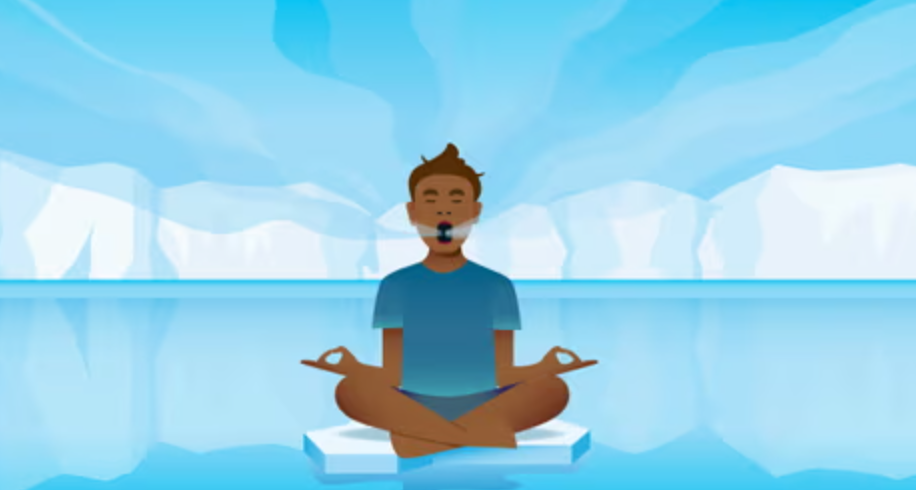
Breath is the bridge between the conscious and the unconscious, between the mind and the body. Pranayama, the ancient practice of breath control in yogic traditions, extends beyond mere inhalation and exhalation—it is the regulation of life force (prana) itself. Rooted in Ayurveda and yogic philosophy, Pranayama has been revered for centuries as a tool for enhancing vitality, mental clarity, and emotional stability. Yet, modern science is only beginning to unveil its profound physiological and psychological benefits, making it an indispensable practice for the overburdened, overstimulated, and overthinking mind.
Historically, Pranayama traces its roots back to the Vedas, where it was described as a method to expand one’s prana, enhance longevity, and prepare for deep meditation. Traditional Ayurveda considers breath as the fundamental link to balance the three doshas—Vata, Pitta, and Kapha. Practices such as Nadi Shodhana (alternate nostril breathing) were believed to purify the energy channels, while Kapalabhati (skull-shining breath) was used for detoxification and mental clarity. Modern neuroscience now supports these claims, demonstrating that controlled breathing directly influences the autonomic nervous system, reducing stress, lowering blood pressure, and even improving immune function (Jerath et al., 2006).
From a psychological perspective, breath regulation has shown significant benefits in reducing anxiety, depression, and emotional dysregulation. Studies suggest that slow, diaphragmatic breathing increases vagal tone, activating the parasympathetic nervous system and inducing a state of calmness (Zaccaro et al., 2018). Further research from clinical psychology indicates that breathwork techniques like Pranayama help in regulating the amygdala, the brain’s emotional processing center, which plays a key role in anxiety disorders and PTSD (Saoji et al., 2019). In addition, controlled breathing techniques have been integrated into cognitive behavioral therapy (CBT) and exposure therapy, helping individuals cope with panic attacks and stress-related disorders (Sullivan et al., 2018).
From a Western medical perspective, breathwork is often seen as a simple relaxation tool rather than a deeply transformative practice. Unlike Ayurveda, which views breath as a means of balancing life energy, Western medicine typically frames breath control as a method to regulate oxygen and carbon dioxide levels in the blood, improving heart rate variability and reducing physiological markers of stress. Studies in psychophysiology have shown that slow, deep breathing lowers cortisol levels, reduces inflammation, and enhances neuroplasticity, making it an effective adjunct therapy for conditions like hypertension and chronic pain (Brown & Gerbarg, 2012). However, the West often compartmentalizes breathwork into clinical applications such as mindfulness-based stress reduction (MBSR) rather than seeing it as an integrative, holistic healing tool.
Men and women experience the effects of Pranayama differently, largely due to hormonal and physiological variances. Research indicates that women, particularly those in high-stress roles, benefit significantly from slow breathing techniques like Bhramari (humming bee breath), which promotes relaxation and stabilizes fluctuating estrogen levels (Laborde et al., 2019). Men, on the other hand, may experience increased focus and energy from forceful techniques such as Bhastrika (bellows breath), which can enhance testosterone levels and improve oxygen uptake efficiency (Brown & Gerbarg, 2005). However, both genders can benefit from a tailored approach, incorporating practices that align with their physiological and mental needs.
Culturally, breathwork is interpreted and practiced differently across societies. In India, Pranayama is often a spiritual discipline, deeply intertwined with meditation and self-realization. In contrast, the West has largely adopted breathwork as a performance-enhancing or therapeutic tool, with techniques being integrated into sports training, psychotherapy, and stress management programs. While traditional Pranayama emphasizes discipline and prolonged practice, modern adaptations promote accessibility, often simplifying techniques for everyday use. Some Western medical practitioners remain skeptical of its deeper claims, viewing it as a relaxation method rather than an advanced physiological tool with transformative effects. Both approaches hold merit—whether one seeks enlightenment or simply a moment of peace in a chaotic world.
Incorporating Pranayama into daily life does not require drastic changes. Start with one minute a day, gradually increasing to five minutes, which is enough to yield noticeable benefits. Over time, as the practice deepens, extending it to ten or fifteen minutes can further enhance mental clarity and resilience. The key is consistency—like any exercise, breath control strengthens over time, becoming a natural mechanism for self-regulation.
For those new to breathwork, the simplest way to begin is with box breathing: inhale for four counts, hold for four, exhale for four, and hold again for four. This structured rhythm calms the nervous system and creates a sense of inner stability. For those seeking deeper engagement, guided Pranayama sessions or Ayurveda-based breathing techniques can refine the practice. Such things are available via guided courses or on YouTube.
Personally, integrating breathwork into my daily routine has been transformative. Whenever I feel the creeping tendrils of anxiety or an overwhelming urge to control everything around me, a few rounds of slow, mindful breathing act as an instant reset—a reminder that I do not need to chase every thought that arises. Pranayama has relieved my need to fixate, offering a sense of surrender that my overthinking mind often resists. It has become a tool not just for relaxation but for resilience, allowing me to navigate the unpredictable nature of life with greater ease.
Ultimately, the breath is more than air—it is energy, rhythm, and life itself. Whether through the structured lens of Ayurveda or the evolving insights of modern science, one thing remains certain: when we learn to control our breath, we learn to control our minds, and with that, the entire course of our well-being.
References
- Brown, R. P., & Gerbarg, P. L. (2005). Sudarshan Kriya yogic breathing in the treatment of stress, anxiety, and depression: Part I—neurophysiologic model. The Journal of Alternative and Complementary Medicine, 11(1), 189-201.
- Brown, R. P., & Gerbarg, P. L. (2012). The healing power of the breath: Simple techniques to reduce stress and anxiety, enhance concentration, and balance your emotions. Shambhala Publications.
- Jerath, R., Edry, J. W., Barnes, V. A., & Jerath, V. (2006). Physiology of long pranayamic breathing: Neural, respiratory and cardiovascular correlates. Medical Hypotheses, 67(3), 566-571.
- Laborde, S., Hosang, T., Mosley, E., & Dosseville, F. (2019). Influence of heart rate variability biofeedback on decision-making and stress resistance. Psychophysiology, 56(3), e13341.
- Saoji, A. A., Raghavendra, B. R., & Manjunath, N. K. (2019). Effects of yogic breath regulation: A narrative review of scientific evidence. Journal of Ayurveda and Integrative Medicine, 10(1), 50-58.
- Sullivan, M. B., Erb, M., Schmalzl, L., Moonaz, S., Noggle Taylor, J., & Porges, S. W. (2018). Yoga therapy and polyvagal theory: The convergence of traditional wisdom and contemporary neuroscience. Frontiers in Human Neuroscience, 12, 67.
