Some try it for fun. Others for pleasure. But before even you realize it, you brain gets hooked to it.
The American Psychological Association defines addiction as “a state of psychological and/or physical dependence on the use of drugs or other substances, such as alcohol, or on activities or behaviors, such as sex, exercise, and gambling.” [1]
Addictions can be of different types ranging from drug addiction and porn addiction to substance abuse.
Drug addiction is one the most common forms of substance abuse.
According to the World Drug Report published by the United Nations Office on Drugs and Crime, nearly one out of 17 people aged 15-64 in the world used some form of drug in the 12 months of 2021. The report further states that the number of drug users across the world had grown to an astounding 296 million. [2]
In this article, we shall discuss:
- What is drug addiction?
- Symptoms of Drug Addict
- The Science Behind Addiction
- Treatment and Support for Drug Addiction
- Conclusion
1. What is drug addiction?

Drug is not only about heroin or cocaine. It also includes less potent ones like alcohol, nicotine, and sleep medications.
Any physical or mental dependence on any of these medicines, and not being able to control the urge to use them is termed as drug addiction.
Drug addiction is a type of substance abuse disorder.
The risk of your addiction depends upon many factors such as your genes, how frequently you use them, your physical and mental health, and your environment.
Drug addiction is a disease that alters your brain and behavior in a manner which has negative effects on your health.
2. Symptoms of Drug Addiction

But how do you know you are getting addicted or someone you know is falling in the trap?
After all, majority of people start taking drugs or pleasure or experimenting freedom. Here are some common symptoms of a drug addict:
- You might feel the need to use the drug every day or several times a day.
- You make sure they always have a supply of the drug.
- You skip responsibilities or social activities due to drug use.
- You might have withdrawal symptoms when they stop using the drug.
- You might feel lousy or uninterested without its use.
For your loved ones:
- The person might have problems at school or work, like missing days or losing interest.
- The person might have health issues like low energy, weight changes, or red eyes.
- The person might stop caring about their appearance.
- The person might become secretive or distant from family and friends.
- The person might ask for money often or have things go missing from home.
3. The Science Behind Drug Addiction
You know you want to quit. But you feel as if you can’t live without the drug.
Why is it so hard to quit drugs? Why can’t you unhook your brain?
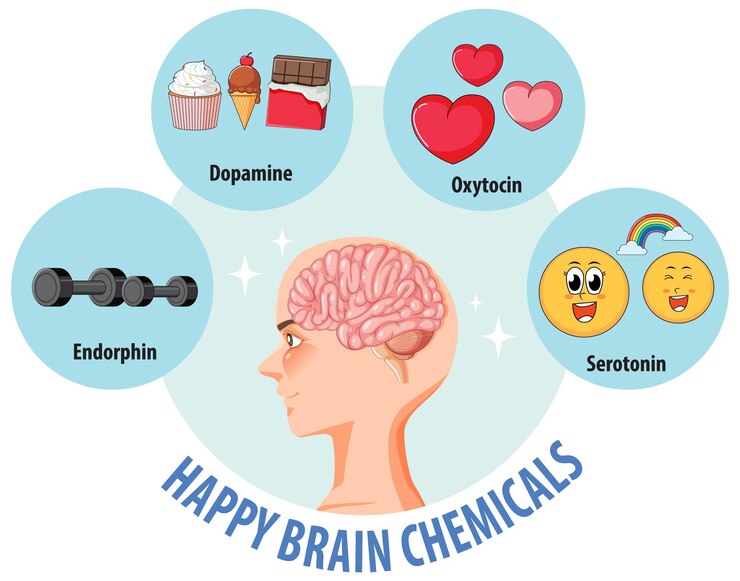
The answer lies in something known as the reward pathway. Dopamine is a chemical secreted by our neurons or nerve cells in the brain. It is a hormone that makes you feel good and happy.
Generally, activities such as having good food, completing a task, doing exercise or having sex stimulates the release of dopamine. This pathway that causes your brain to release dopamine is termed as the reward pathway.
From an evolutionary biology perspective, our brains are wired in a way that remember these behaviors so that it aids in our survival.
So, any activity you do that stimulates the release of dopamine gets hooked in your brain, encouraging you to repeat the behavior in the future.
According to the Yale School of Medicine, drugs trigger an outsized response or flood of dopamine. At the same time, your brain also develops something known as tolerance. Tolerance means the receptors in your brain are unable to get stimulated or activated due to the drug. You brain gets used to it so it’s unable to produce a desired response. [3]
As a result, your carving for the drug increases to generate the level of high you desire for. This, in turn, gets you in a vicious cycle which causes your brain to get hooked.
4. Treatment and Support for Drug Addiction

Here are five key steps to take for treatment and support of drug addiction:
Detoxification: This is the first step of treating drug addiction. It involves medically supervised detoxification to safely manage withdrawal symptoms. This process helps to clear the substance from the body while minimizing physical discomfort. This is done in rehabilitation centers under medical supervision.
Behavioral Therapy: Cognitive-behavioral therapy (CBT), motivational interviewing, and contingency management are some techniques healthcare providers apply to help addicts understand the root causes of their addictions. It helps your health care provider design strategies to manage triggers and cravings.
Medication-Assisted Treatment (MAT): Certain drugs, such as methadone, buprenorphine, or naltrexone are commonly used to manage withdrawal symptoms. Your doctor will prescribe you medications based on your need and your health condition.
Support Networks and Counseling: Individual and group counseling, provide emotional support and aid in long-term recovery. Since recovery and rehabilitation from drugs can take time, a support system is vital.
Relapse Prevention and Aftercare: Continuous care through follow-up programs, counseling, and ongoing support is essential in relapse prevention. Stress- management, maintaining good physical, mental and social health is integral to prevent triggers and relapse.
5. Conclusion
Drug addiction is a disorder of the brain. It’s not an unruly behavior which individuals need to be stigmatized for.
Drug addiction can be reversed and patients can return back to normal life with rehabilitation programs and medical support.
Drug addicts show certain symptoms and social behaviors. Instead of confounding them, understanding the triggers, root cause and trying a positive approach can assist them in recovery.
Drug addiction is not something shameful, it is a medical condition which can be addressed.
References
