
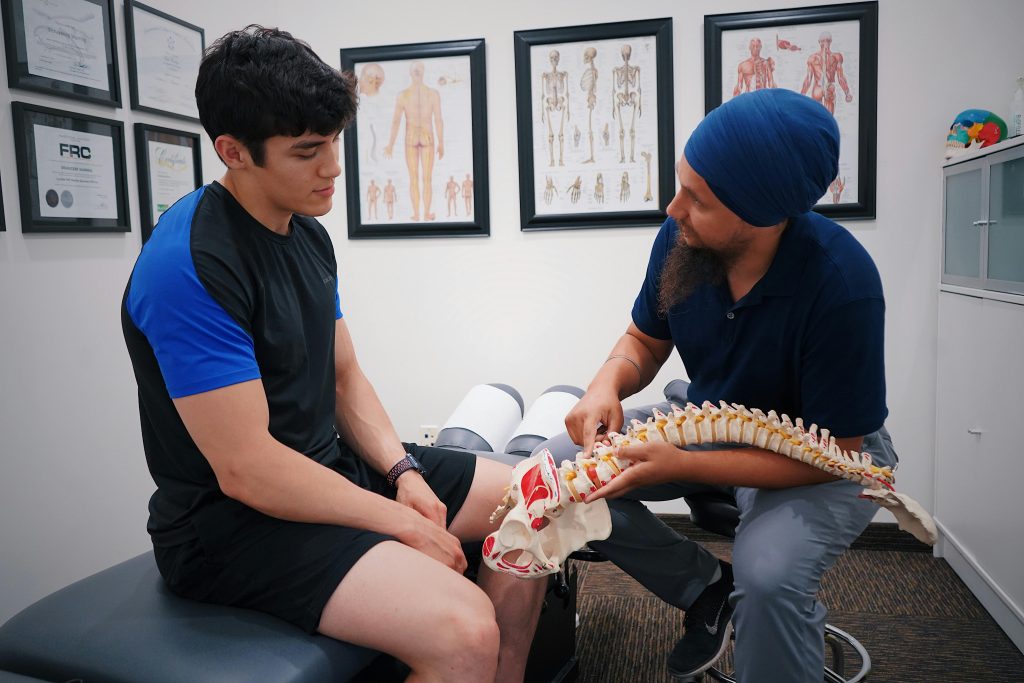
Piercing pain radiating to the lower back. Numbness. Tingling and Muscle Weakness.
Incase you have one or all of the problems mentioned above, it is highly likely that you are suffering from sciatica.
Sciatica is a common condition that affects the sciatic nerve, the longest and thickest nerve of your body that runs from your spinal cord, all the way to your toes. Sciatica is a relatively common condition with an incidence rate varying between 13% to 43% during one’s life time. [1]
While sciatica is not a life-threatening condition, and gets better in most cases with self-care and physiotherapy, it can cause discomfort and disturbance in your every day life.
This article shall tell you:
- What is Sciatica?
- The Symptoms of Sciatic Pain
- The Causes of Sciatica
- Complications of Sciatica
- Managing Sciatica Via Medicine
- Managing Sciatica Via Therapy
- Surgical Treatment of Sciatica
- Reducing Your Risk of Sciatica
1. What is Sciatica?
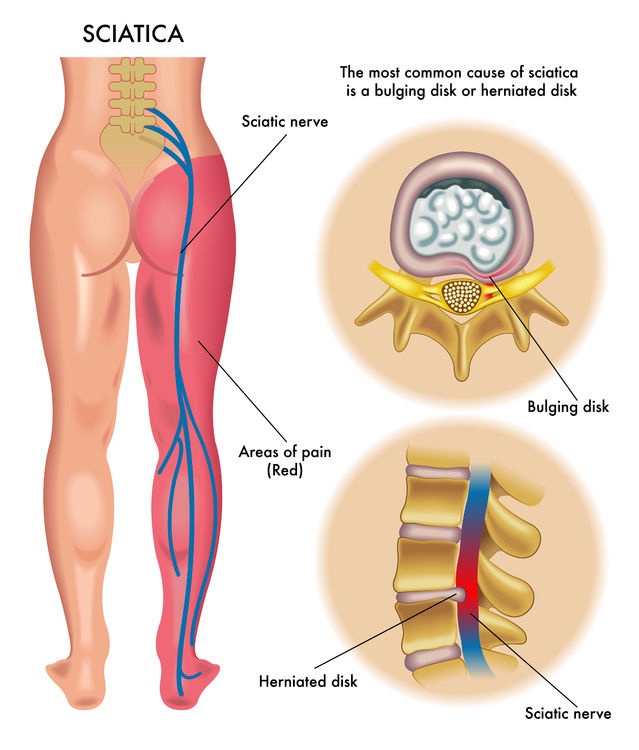
Before understanding Sciatica, you need to know about the sciatic nerve.
Sciatic nerve is the longest and thickest nerve in your body. Although referred to as a nerve, the sciatic nerve is actually a group of nerves that branch off from the spinal cord. There are two sciatic nerves on the either side of the body, and each one of them runs through your buttock and hip all the way to your knees. From there, it branches off into other nerves and extends up to your toe.
So, this means any lesion, pain or disturbance in this long route can affect the sciatic nerve. The pain caused due to disturbance or injury in your sciatic nerve is referred to as Sciatica.
However, it is vital to recognize that not all pain in lower back means you have sciatica. A host of other conditions might be responsible for the pain in your lower back, and it is highly advisable that you contact your healthcare provider, to confirm it.
2. Symptoms of Sciatic Pain
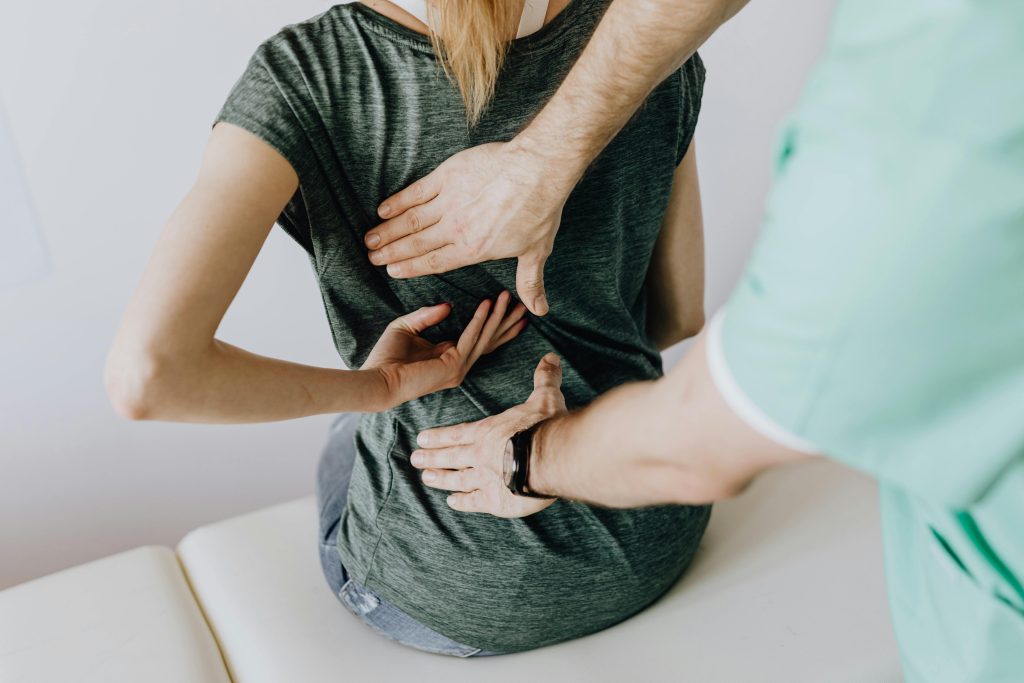
Here are the most common symptoms of sciatic pain:
- Pain: Normally, Sciatica cause pain in your lower back on one side. The pain can vary ranging from mild ache to sharp piecing pain. It often radiates down the leg of the affected side, gets worse with actions such as coughing, sneezing, or sitting for a long time. The degree and pain in sciatic vary depending on the cause and severity.
- Tingling: Your leg feels asleep similar to the one you feel when you sit for a long time.
- Numbness and muscle weakness.
- Urinary or fecal incontinence: This means you are unable to empty your bladder or you lose control of your fecal discharge. Urinary or fecal incontinence is a severe symptom of sciatica and needs urgent medical attention.
3. The Causes of Sciatica
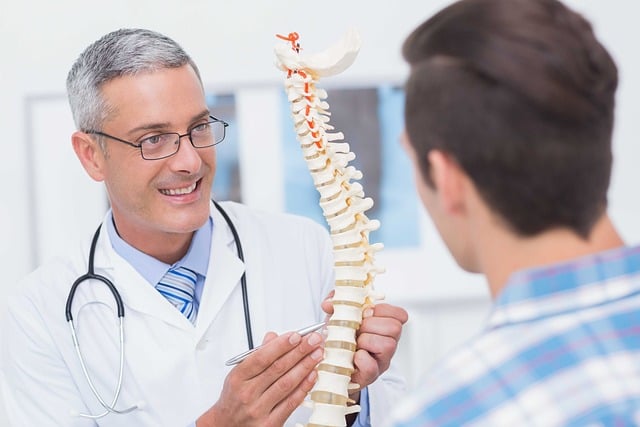
So, now let’s talk about the causes of Sciatica.
Sciatica occurs when there is injury to the nerve root of the sciatic nerve or lesion anywhere in the neural pathway.
These are the most common causes of Sciatica include:
- Intervertebral disc herniation: About 90 % of cases of sciatica are due to intervertebral disc herniation. [2] Intervertebral disc herniation, in simple terms, is a condition when the two discs between your vertebrae prolapse each other. As a result, the spinal root gets compressed.
- Tumor and Cysts: An outgrowth of a tumor or cyst can also compress your spinal nerve.
- Spinal Stenosis: A condition characterized by narrowing of one or more spaces in your spinal tract. This causes compression in the nerve root.
- Injuries to the Spine
- Sometimes other health conditions like conus medullaris, cauda equina syndrome and osteoarthritis can also cause sciatica.
4.Complications of Sciatica
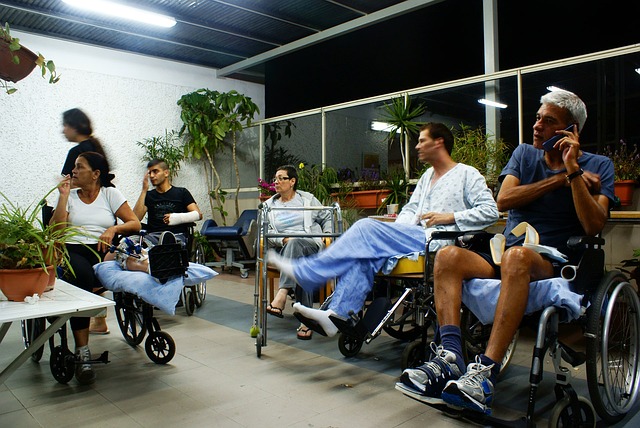
While Sciatica is not a life-threating emergency, it can result in chronic impairments and can result in severe consequences if left unaddressed.
Here are some of the potential complications of sciatica you should be aware about.
- Bladder and Bowel Dysfunction: This is the most dangerous complication of sciatica and requires immediate medical attention. In rare cases, severe compression of the sciatic nerve or other nerves in the lower spine can lead to loss of bladder and bowel function. This causes problem with urination and defecation.
- Permanent Loss of Sensation: If remained untreated for long, sciatica can result in permanent loss of sensation in your leg or foot.
- Long-term sciatica can also result in chronic pain, muscle weakness and mental health issues like depression and anxiety.
5. Managing Sciatic Via Medicine

It is highly advisable that you seek medical consultation in case your symptoms are severe. However, here are some tips and over-the-counter medicine you can use to help you feel better:
- Apply ice packs for about 20-30 minutes several times a day to reduce pain and swelling.
- NSAID like ibuprofen can act as a mild- painkiller to help you feel better.
- Injections of corticosteroid can help reduce inflammation and help you feel better.
- Applying heat packs can also help relieve pain.
- Anti-seizures medicine can also be suitable option, but requires medical consultation.
6. Managing Sciatica Via Therapy

Managing sciatica via therapy involves a combination of active and passive treatments.
Active treatment includes a set of exercises to strengthen your muscles, while passive treatments focus on provide relaxation to your muscles.
A. Active Treatments
Active treatments consist mainly of the following exercises:
1. Stretching Exercises
Hamstring Stretch: Loosens tight hamstrings, reducing pressure on the sciatic nerve.
Piriformis Stretch: Targets the piriformis muscle, which can sometimes irritate the sciatic nerve.
Low Back Stretch: Gentle stretching of the lower back can alleviate pressure on the spine and sciatic nerve.
2. Strengthening Exercises
Core Strengthening: Strengthening the abdominal muscles supports the spine and relieves pressure on the lower back.
Gluteal and Lower Back Strengthening: Strengthening the glutes and lower back muscles improves posture and reduces sciatic nerve irritation.
Pelvic Tilts: Help maintain mobility in the lower spine and strengthen the muscles that support the spine.
B. Passive Therapy
Passive therapies focus on providing relaxation to your muscles.
1. Manual therapies
Manual therapies involve physiotherapists providing you joint message to relieve the pain in the affected area of your leg. This helps you feel better.
2. Transcutaneous Electrical Nerve Stimulation (TENS):
TENS involves passing a mild electrical current through the muscles to relieve back pain and spasms. This is done under the guidance of a physiotherapist.
3. Aquatic Therapy
Aquatic exercises can reduce pressure on the spine and joints, making movement easier and less painful while building strength and flexibility. You can opt for an aquatic therapy under proper guidance if you have a pool available.
7. Surgical Treatment of Sciatica
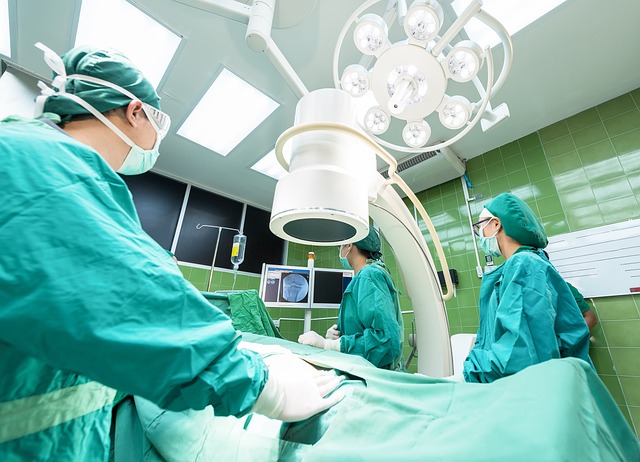
Depending upon the cause of sciatica and the severity of your symptoms, your doctor might suggest you to opt for surgery. However, in most of the cases of sciatica, surgery is rarely needed, and patients often get better with therapy and care.
The most common surgical options for sciatica include:
- Microdiscectomy: This refers to removing fragments of herniated disk by making a small incision. Your health care provider might suggest this treatment in case your sciatic pain is caused by a lumbar disk herniation, a condition when the disc of one vertebra prolapses over the other, squeezing your spinal nerves.
- Laminectomy: Lamina is a portion of your vertebrae between the spinous and transverse process, surrounding the vertebral foramen from where your spina nerves pass. A laminectomy involves removing a section of the lamina causing pressure on spinal nerves.
Here are some things you should consider before opting for surgical treatment of sciatica. [3]
8. Reducing Your Risk of Sciatica

Sciatica is a relatively common condition, with a lifetime incidence varying from 13% to 40%. [4]. The risk of getting sciatica increases when you in the fourth decade of your life.
Here are some proactive measures you can take to reduce your risks of getting sciatica:
- Maintain a healthy posture especially if your work involves long hours of sitting.
- Keep yourself physically healthy to build muscle strength.
- Avoid using tobacco. Nicotine use can impact your circulation and increase your risk of chronic pain. That includes conditions like sciatica.
- Avoid sitting for long duration.
References and Further Resources:
- M. A. Stafford, P. Peng, D. A. Hill, Sciatica: a review of history, epidemiology, pathogenesis, and the role of epidural steroid injection in management, BJA: British Journal of Anaesthesia, Volume 99, Issue 4, October 2007, Pages 461–473, https://doi.org/10.1093/bja/aem238
- Fairag M, Kurdi R, Alkathiry A, et al. (November 12, 2022) Risk Factors, Prevention, and Primary and Secondary Management of Sciatica: An Updated Overview. Cureus 14(11): e31405. doi:10.7759/cureus.31405
- Jensen RK, Kongsted A, Kjaer P, Koes B: Diagnosis and treatment of sciatica. BMJ. 2019, 367:l6273. 10.1136/bmj.l6273
- Genevay S, Courvoisier DS, Konstantinou K, et al.: Clinical classification criteria for radicular pain caused by lumbar disc herniation: the radicular pain caused by disc herniation (RAPIDH) criteria. Spine J. 2017, 17:1464-71. 10.1016/j.spinee.2017.05.005
