
The impact of depression is far-reaching with serious medical, social and economic consequences. With over four percent of the global population suffering from depression, there is growing research interest in unlocking new treatment options.
Recent studies are suggesting an increasingly strong link between depression and vitamin D deficiency. Read on to understand more.
What is Depression?
A leading public health problem, depression continues to significantly affect the lives of adults and children across the globe. Individuals suffering from depression experience feelings of sadness, emptiness or irritability, along with physical and cognitive symptoms for several weeks, which affect their day-to-day activities.

Additionally, depression leads to lifestyle disorders such as diabetes and hypertension, and an increased risk of stroke, cardiovascular diseases and suicide. Moreover, people suffering from depression are less likely to respond to conventional treatment options. Profound social and economic consequences are among its other unpleasant effects.
To tackle this growing epidemic, more research has been directed towards depression, especially with regards to diversifying its treatment options.
What is Vitamin D?
Also called the “sunshine vitamin”, it is derived from the ultraviolet rays of the sun and from food such as fatty fish, egg yolks, vitamin D-fortified milk and butter.
Vitamin D is essential for bone growth, muscle strength and the prevention of diabetes mellitus, cancer and severe neurological conditions.
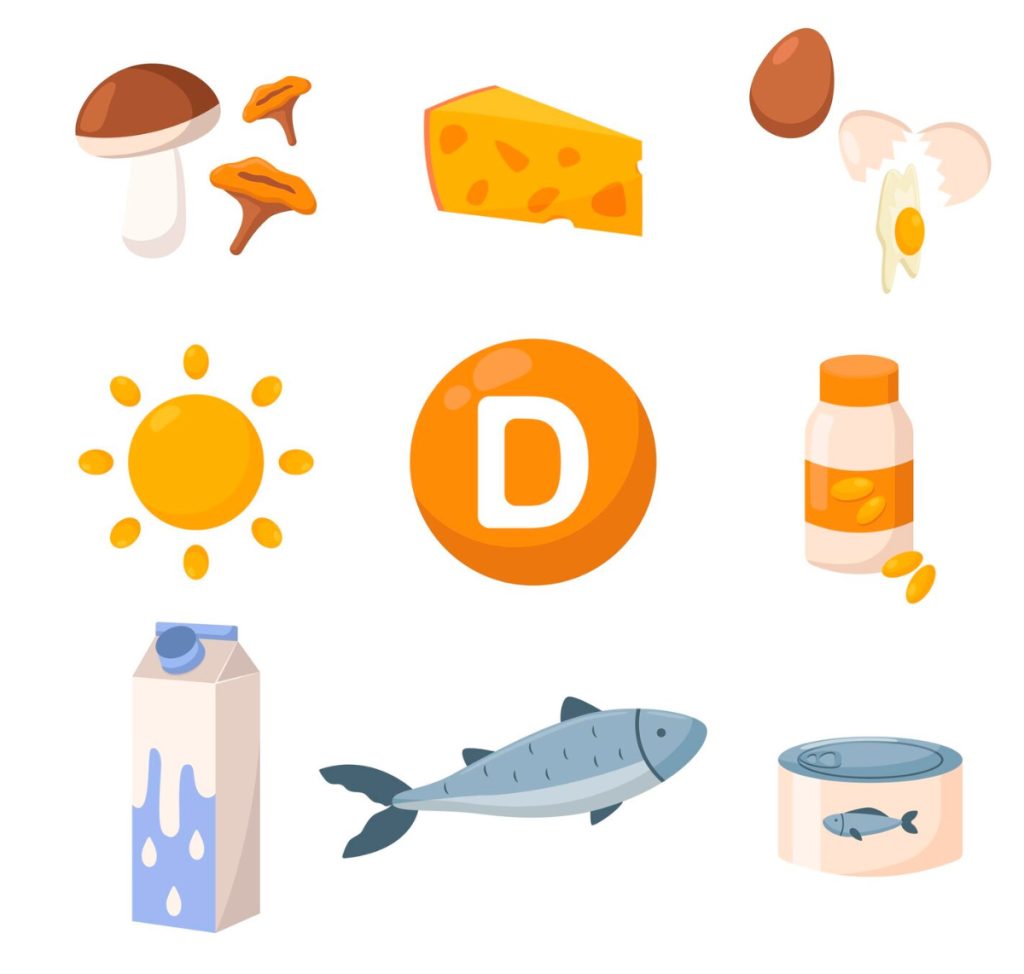
Recent studies have also revealed significant correlations between vitamin D deficiency and depression, among other psychiatric disorders.
Research estimates that about one billion people worldwide are deficient in vitamin D.
What are the Symptoms of Vitamin D Deficiency?
A deficiency of this crucial vitamin can cause a variety of symptoms, including the following:-
- Muscle and bone pains
- Generalized body aches
- Growth delays (in children)
- Wheezing illnesses
- Decreased speed of movement and frequent falls (among the elderly)
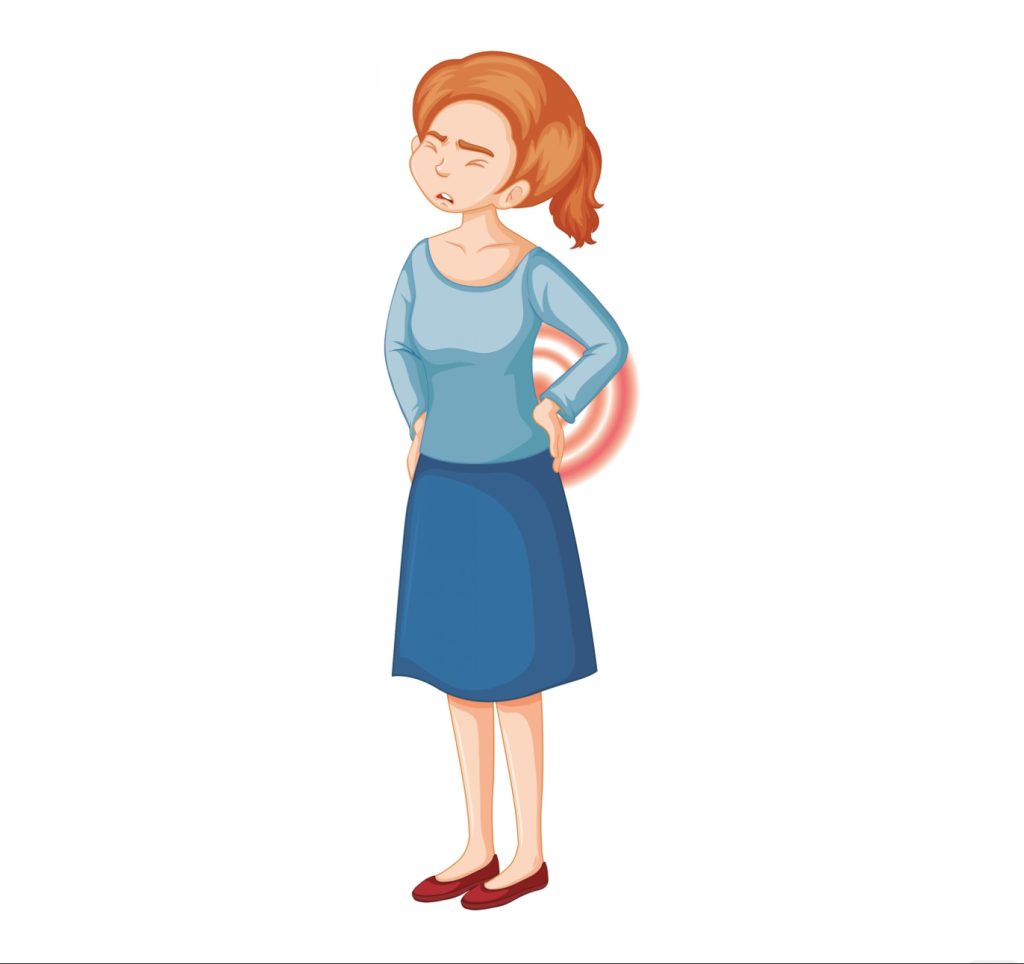
Vitamin D deficiency is also a less-known cause of asthma, allergic rhinitis, atopic dermatitis and food allergies.
In addition to the above, vitamin D deficiency has been increasingly associated with psychiatric disorders, most commonly schizophrenia and depression.
How does Vitamin D Deficiency Cause Depression?
Vitamin D is often considered a “hormone” as it regulates chemicals in the brain that directly affect our mood. Vitamin D restores imbalances between these neural chemicals and other substances, thereby favourably impacting the onset of depression. Its role in reducing inflammation in the body has also been implicated in the prevention of depression.
Furthermore, individuals suffering from depression may experience a worsening of vitamin D levels due to decreased exposure to sunlight and dietary deficiency, owing to the avoidance of outdoor activities and poor appetite, respectively.
Vitamin D and Depression
Several research studies have concluded that people with depression have lower levels of vitamin D when compared to their healthy counterparts.
Moreover, those with the lowest vitamin D levels were found to possess the highest risk of developing depressive symptoms.

Vitamin D supplementation for people diagnosed with clinical depression has shown benefits in the efficacy of its management.
Studies have shown that adolescents with depression have experienced an improvement in their overall well-being as well as their symptoms with vitamin D supplementation. Interestingly, vitamin D deficiency has been found to play a role in the development of common childhood psychiatric conditions such as autism spectrum disorder (ASD) and attention deficit hyperactivity disorder (ADHD).
Vitamin D and Pregnancy
Research has revealed a strong link between vitamin D levels and depression, both during pregnancy and after delivery.

Women with higher vitamin D levels were found to be less likely to suffer depressive symptoms during pregnancy and in the weeks following the birth of the child, consequently alleviating conditions such as post-partum depression and blues.
(Kindly note that vitamin D supplements during pregnancy should only be taken after consultation with the treating obstetrician)
How is Vitamin D Deficiency Diagnosed & Treated?
Vitamin D levels can be checked by a simple blood test.
Doctors will recommend vitamin D supplements for a few weeks or even months, depending on the age of the individual.
Routine vitamin D drops are also recommended for children less than a year old, upon the pediatrician’s advice.
Caution: The Dangers of Too Much Vitamin D
An excess of vitamin D in the body can cause a number of symptoms such as vomiting, constipation, stomach ulcers, kidney stones, difficulty in concentration, confusion, drowsiness, apathy, psychosis, abdominal pain, hearing loss, pancreatitis and cardiac arrhythmias.

It is advisable to get vitamin D levels checked prior and to take supplements only on the advice of a doctor.
(If you’re planning to take supplements, let your doctor know if you are pregnant, lactating or have a history of kidney disease)
Key Takeaway
- Depression is a global health issue that impacts physical, social and economic well-being
- Vitamin D deficiency is associated with depression, both in adults and in children
- Supplementation with vitamin D has been proven to improve symptoms of depression
Sources
- Menon V, Kar SK, Suthar N, Nebhinani N. Vitamin D and depression: a critical appraisal of the evidence and future directions. Indian journal of psychological medicine. 2020 Jan;42(1):11-21.
- Centers for Diseases Control and Prevention (CDC); National Center for Health Statistics: Symptoms of Depression Among Adults: United States, 2019
