
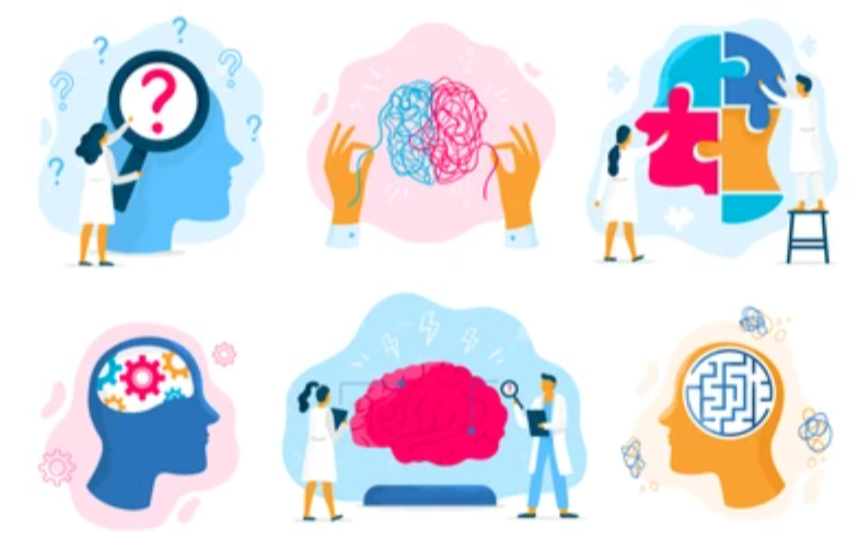
Mental health has become a focal point of medical research, with an array of approaches designed to address the multifaceted nature of psychological well-being. From pharmaceutical interventions to holistic medicine and the advent of medical devices, the field is both rapidly advancing and inherently constrained by the long-term nature of its goals. While each approach offers unique advantages, they also come with limitations that highlight the complexity of mental health care.
Pharmaceutical Interventions: The Double-Edged Sword
Medications have been a cornerstone of mental health treatment for decades, offering relief to millions worldwide. Selective serotonin reuptake inhibitors (SSRIs), antipsychotics, and mood stabilizers are among the most commonly prescribed drugs, targeting biochemical imbalances in the brain to alleviate symptoms of depression, anxiety, and other mental health disorders. Research by Cipriani et al. (2018) demonstrates the efficacy of antidepressants, particularly in severe cases of depression, where the benefits often outweigh the risks.
However, the reliance on medication is not without controversy. Short-term relief can be undermined by side effects such as weight gain, sexual dysfunction, and emotional blunting. Furthermore, the long-term effectiveness of medications remains a topic of debate. Fava and Offidani (2011) argue that while medications can stabilize symptoms, they rarely address the root causes of mental health issues, potentially leading to dependency or diminished efficacy over time. Patients may also face challenges in finding the right medication or dosage, as the process often involves trial and error. This underscores the need for a comprehensive approach that integrates medication with other forms of therapy, such as psychotherapy or lifestyle modifications, to achieve more sustainable outcomes.
Medical Devices: A Frontier of Innovation
The use of medical devices in mental health is a burgeoning field, with technologies like transcranial magnetic stimulation (TMS), electroconvulsive therapy (ECT), and neurofeedback showing promise. TMS, for example, has been FDA-approved for treatment-resistant depression, with studies like those by Perera et al. (2016) highlighting its efficacy and safety. These devices work by modulating neural activity, offering an alternative for patients who do not respond to traditional therapies. Neurofeedback, which involves real-time monitoring and training of brain activity, has shown potential in treating anxiety, PTSD, and ADHD, with promising preliminary results in improving emotional regulation.
Despite their potential, medical devices face significant challenges. Accessibility remains a major issue, as these treatments are often expensive and not widely available, limiting their reach to those with sufficient resources or insurance coverage. Additionally, the long-term effects of repeated use are still being studied, leaving questions about their sustainability. For patients, the commitment to device-based therapies can also be daunting, requiring frequent sessions and a high degree of patience, as progress is often gradual. Furthermore, these technologies demand skilled professionals for administration, further constraining their availability in underserved regions.
Holistic Medicine: Bridging Mind and Body
Holistic medicine emphasizes the interconnectedness of mind, body, and spirit, offering an alternative or complementary pathway to traditional treatments. Practices like yoga, meditation, acupuncture, and herbal remedies have gained traction for their ability to reduce stress, improve emotional regulation, and enhance overall well-being. Studies such as those by Goyal et al. (2014) suggest that mindfulness meditation can be as effective as medications in reducing symptoms of anxiety and depression. Yoga, with its combination of physical postures, breathing exercises, and meditation, has been shown to lower cortisol levels, improve mood, and enhance cognitive functioning.
However, holistic approaches are not a panacea. Critics point out the lack of rigorous scientific evidence supporting some practices, and the variability in individual responses makes it difficult to predict outcomes. The self-directed nature of many holistic therapies places a significant burden on patients to remain consistent and motivated, which can be challenging during periods of acute distress. Additionally, the integration of holistic methods with conventional care can be met with skepticism from both patients and healthcare providers, highlighting the need for more research and education to bridge the gap between these modalities.
One of the defining characteristics of mental health research and treatment is the long-term nature of progress. Whether through medication, medical devices, or holistic practices, meaningful change often unfolds over months or years rather than weeks. This can be disheartening for patients seeking immediate relief. For example, medications typically require several weeks to achieve full efficacy, and holistic practices like mindfulness or yoga demand consistent practice to yield significant benefits.
This slow pace of progress is a reflection of the complexity of mental health conditions, which often have deep-seated biological, psychological, and social roots. While short-term gains are possible, sustained improvement requires a multifaceted and personalized approach. Research by Kazdin and Blase (2011) emphasizes the importance of integrating diverse treatment modalities to address the various dimensions of mental health rather than relying on any single method.
The evolving landscape of mental health care is marked by both innovation and limitation. Pharmaceutical interventions offer quick symptom relief but often come with side effects and the risk of dependency. Medical devices provide hope for treatment-resistant conditions but are not yet universally accessible. Holistic medicine fosters a sense of empowerment and balance but requires significant patient commitment and may lack robust scientific validation.
As the field advances, the need for a nuanced understanding of these approaches becomes increasingly clear. No single method can fully address the complexities of mental health, and the most effective solutions often involve a combination of strategies tailored to the individual. This integrative approach acknowledges the unique needs and circumstances of each patient, fostering a sense of hope and possibility in the face of long-term challenges.
The journey of mental health care is one of both promise and paradox. While scientific research persistently pushes the limits of possible outcomes, the inherent limitations of each approach underscore the importance of patience, resilience, and holistic thinking. By embracing the strengths and addressing the weaknesses of pharmaceutical, technological, and holistic methods, we can forge a path toward more effective and compassionate mental health care.
References:
- Cipriani, A., Furukawa, T. A., Salanti, G., et al. (2018). Comparative efficacy and acceptability of 21 antidepressant drugs for the acute treatment of adults with major depressive disorder: a systematic review and network meta-analysis. The Lancet, 391(10128), 1357-1366.
- Fava, G. A. & Offidani, E. (2011). The mechanisms of tolerance in antidepressant action. Progress in Neuro-Psychopharmacology and Biological Psychiatry, 35(7), 1593-1602.
- Perera, T., George, M. S., Grammer, G., et al. (2016). The Clinical TMS Society Consensus Review and Treatment Recommendations for TMS Therapy for Major Depressive Disorder. Brain Stimulation, 9(6), 336-346.
- Goyal, M., Singh, S., Sibinga, E. M. S., et al. (2014). Meditation programs for psychological stress and well-being: a systematic review and meta-analysis. JAMA Internal Medicine, 174(3), 357-368.
- Kazdin, A. E., & Blase, S. L. (2011). Rebooting psychotherapy research and practice to reduce the burden of mental illness. Perspectives on Psychological Science, 6(1), 21-37.
- Horowitz, A. V., & Wakefield, J. C. (2007). The Loss of Sadness: How Psychiatry Transformed Normal Sorrow into Depressive Disorder. Oxford University Press.
