
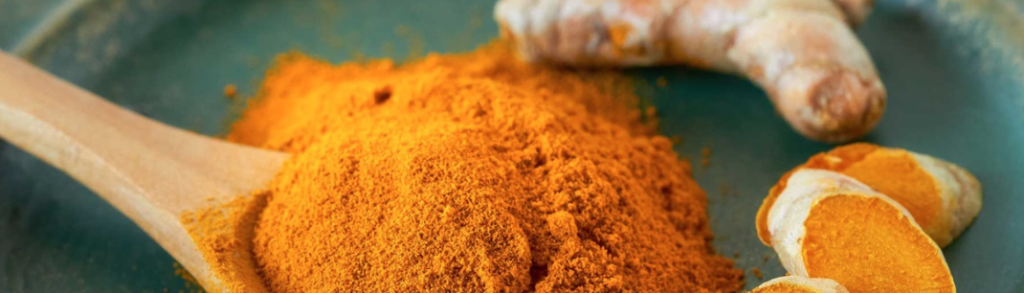
Turmeric, a golden-yellow spice commonly used in Indian cuisine, has gained significant attention in recent years for its potential health benefits. It has been used in traditional medicine for centuries, especially in Ayurvedic and Chinese healing practices, and modern research has begun to confirm many of its purported advantages. The primary active compound in turmeric, curcumin, is responsible for its medicinal properties, which include anti-inflammatory, antioxidant, and antimicrobial effects. This article will explore the various health benefits of turmeric, backed by scientific research.
One of the most well-known benefits of turmeric is its powerful anti-inflammatory properties. Chronic inflammation is linked to a wide range of diseases, including heart disease, cancer, and neurodegenerative conditions such as Alzheimer’s. Curcumin, the active compound in turmeric, has been shown to inhibit several molecules that play a role in the inflammatory process. A study published in the Journal of Alternative and Complementary Medicine found that curcumin significantly reduced markers of inflammation, suggesting its potential use in inflammatory conditions like arthritis (Kumar et al., 2016).
Research has also shown that turmeric can be as effective as non-steroidal anti-inflammatory drugs (NSAIDs) in managing pain and inflammation, but without the associated side effects. A study in Phytotherapy Research demonstrated that curcumin supplementation could provide relief for patients with osteoarthritis, showing improvements in joint function and a reduction in pain (Gao et al., 2019). This makes turmeric a promising natural alternative to pharmaceutical anti-inflammatory treatments.
Antioxidants are crucial for neutralizing free radicals in the body, which are unstable molecules that can cause oxidative stress and damage cells, leading to premature aging and chronic diseases. Curcumin is a potent antioxidant, helping to prevent the damage caused by free radicals. A study published in the International Journal of Molecular Sciences highlighted curcumin’s ability to scavenge free radicals and enhance the body’s own antioxidant defenses, making it a valuable tool in the fight against oxidative stress (Liu et al., 2017).
Furthermore, turmeric’s antioxidant properties are not limited to curcumin alone. Other compounds in turmeric, such as turmerones, also contribute to its antioxidant effects, further enhancing its ability to protect the body from cellular damage.
The potential of turmeric to support cognitive health has garnered significant attention. Some studies suggest that curcumin may help protect against neurodegenerative diseases like Alzheimer’s by reducing inflammation and oxidative stress in the brain. In a study published in Aging and Disease, researchers found that curcumin has neuroprotective effects, potentially preventing the buildup of amyloid plaques—abnormal protein clumps associated with Alzheimer’s disease (Bhattacharyya et al., 2016).
Furthermore, studies have demonstrated that curcumin can penetrate the blood-brain barrier, a characteristic that amplifies its impact on brain function. Some clinical trials have also suggested that curcumin supplementation may improve cognitive function and mood in individuals with mild cognitive impairment, providing further support for its use in brain health.
Turmeric is commonly used in traditional medicine to treat digestive issues. Curcumin has been found to have a protective effect on the digestive tract, helping to manage conditions like irritable bowel syndrome (IBS) and inflammatory bowel disease (IBD). A study published in BMC Complementary and Alternative Medicine demonstrated that curcumin supplementation significantly improved symptoms in patients with ulcerative colitis, an inflammatory condition of the colon (Gumieniczek et al., 2018).
Additionally, turmeric has been shown to promote healthy bile production, which aids in the digestion of fat. By supporting digestive health and reducing gut inflammation, turmeric can improve overall gut function and comfort.
Turmeric is more than just a spice for adding flavor to food; it is a powerful herb with a wide range of health benefits. From reducing inflammation and oxidative stress to protecting cognitive function and supporting digestive health, the scientific evidence supporting turmeric’s medicinal properties continues to grow. Whether consumed as a spice in food or taken as a supplement, turmeric is a natural, accessible way to enhance overall health and well-being. However, while turmeric is generally considered safe, it’s important to consult with a healthcare professional before beginning supplementation, especially for individuals with existing health conditions or those taking medications.
References
- Kumar, A., et al. (2016). Efficacy of Curcumin in Rheumatoid Arthritis: A Meta-Analysis. Journal of Alternative and Complementary Medicine.
- Gao, Y., et al. (2019). Curcumin for the Treatment of Osteoarthritis. Phytotherapy Research.
- Liu, L., et al. (2017). Curcumin as an Antioxidant: An Update on Its Mechanisms of Action. International Journal of Molecular Sciences.
- Gumieniczek, A., et al. (2018). The Effect of Curcumin on the Intestinal Inflammation in Ulcerative Colitis. BMC Complementary and Alternative Medicine.
