
One of the most difficult addictions to combat is opioid dependence, otherwise known as opioid use disorder (OUD). In the medical field, opioids are medically used to treat pain that is either caused by an injury or after a surgical procedure. Yet, opioids are highly abused and addictive medications if they are not used correctly. Two medications that are used to treat OUD once someone is successfully withdrawn from an opioid are Suboxone and Methadone. Both medications are classified as synthetic opioids that mimic the effects of other opioid substances, such as heroin and fentanyl.
What is Suboxone?
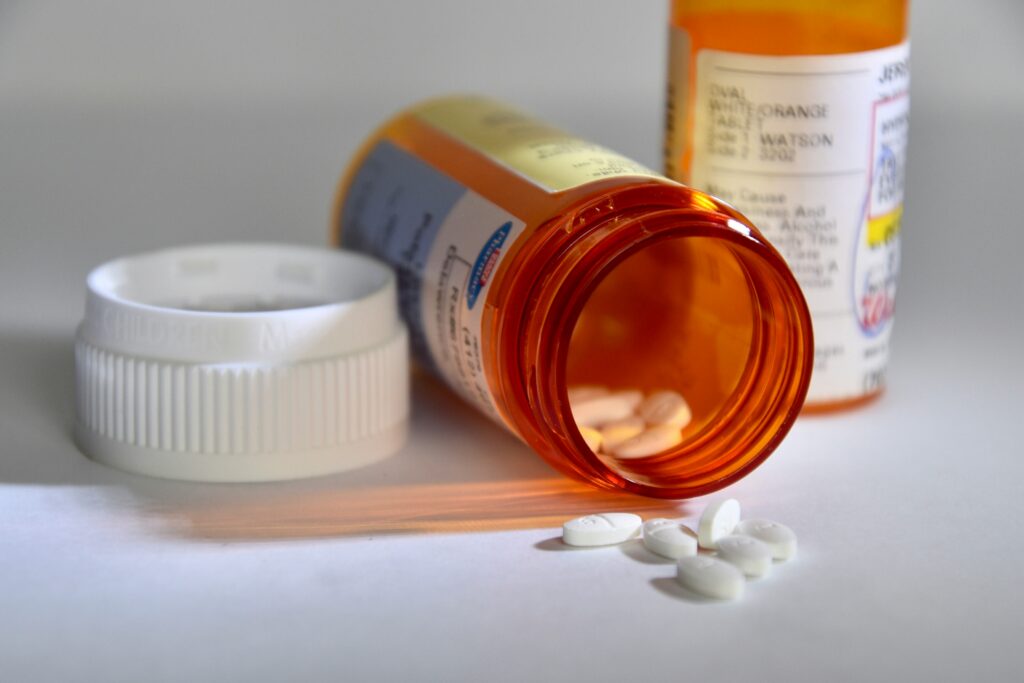
Suboxone is made up of two medications: Buprenorphine and Naloxone. Buprenorphine is a partial agonist, meaning that the way it binds to an opioid receptor in the brain is only partial and doesn’t block the binding site of the opioid receptor completely, but it tightly binds to the receptor. Additionally, Buprenorphine has a ceiling effect, meaning that the effects of buprenorphine are not as potent or have the same high as other opioids. This means that if someone were to take an unprescribed opioid, they wouldn’t feel the effects of that opioid because the prescribed buprenorphine is partially blocking it from acting on the receptor.
Naloxone, on the other hand, is an opioid antagonist, which means that it completely blocks the effects of opioids on the receptors in the brain. Naloxone also binds tightly to the receptors along with buprenorphine so that unprescribed opioids do not have access to bind to these receptors. Additionally, naloxone is used to treat overdoses as Narcan.
This combination of buprenorphine and naloxone makes it challenging for a patient abusing unprescribed opioids to feel the same effects, thus discouraging dependence on opioids while easing withdrawal symptoms.
There are a few ways that suboxone is prescribed
- Orally: in a pill form
- A film strip: melts under the tongue
The difference between film strips and sublingual are dependent on the brand and how much buprenorphine or naloxone is in the medication. This means before stopping, switching brands or forms of medication, it is important to consult a medical healthcare professional. When using either the tablet form or the film strip form, it is important to follow the steps directed by your physician and pharmacist.
Suboxone is considered safer than methadone since it is not as addictive due to the high not being as potent. Unlike methadone, suboxone is long-acting, so patients do not have to take it frequently. However, if a patient is currently taking opioids and is given suboxone, this will likely cause withdrawal, as the weaker-acting suboxone will take the place of the opioid.
If taken correctly along with group therapy and behavioral therapy, it is an effective treatment for stopping opioid use in patients. Yet, despite that its chemistry makes it less addictive than methadone, it is still possible for patients to develop a dependence for suboxone, especially patients who are new to opioids and patients who mix medications are at risk of suboxone overdose.
What is Methadone?
Methadone was the first medication used to treat opioid dependence withdrawal by acting on the same receptors in the brain as unprescribed opioids. It is a long-acting opioid agonist, which means that it binds directly to the receptor in the brain and blocks the receptor from binding to other opioids. Since it is a synthetic opioid, it binds to the receptors in the same way but it does not give the same high. Thus, this helps to reduce withdrawal symptoms due to it acting in a similar way as a unprescribed opioid.
Other uses of methadone include chronic pain management and neonatal abstinence syndrome (NAS). NAS is when a mother, during pregnancy, exposes the fetus to opioids. This leads to the baby developing cravings once it is born and is no longer connected to the mother’s bloodstream, where it gets the drug. However, most physicians prefer the use of suboxone over methadone due to its ceiling effect for the treatment of NAS.
When using methadone, it is usually given in tablet form and should only be taken as prescribed by your physician or healthcare provider. Depending on the individual, the length of the program will vary. Once a patient is stabilized, they will be able to take methadone at home between visits instead of in the office. Overall, if prescribed and overseen by a physician, methadone is considered a safe medication.
What are the similarities and differences between Methadone vs. Suboxone?
Since both medications have the same purpose, there are similarities in their effects as well as how they interact with the brain’s opioid receptors. Here are some notable similarities.
| Similarities | – both are synthetic – both bind tightly to the opioid receptors in the brain –> decrease effects from other opioids and overdosing – help to reduce cravings – help reduce withdrawal symptoms – have a risk of misuse – are prescription only – more likely to help patients achieve their goal of coming off opioid use than without – under supervision, are safe to take for long-durations – both methadone and buprenorphine have long-term last effects/half-lives (how long it takes half the drug to leave the body) – if need to stop taking, physicians recommend a gradual decrease in dosage |
| Differences | Suboxone: – name does not refer to the ingredient itself, but contains two medications: buprenorphine and naloxone – buprenorphine is a partial agonist with a ceiling effect and naloxone is an opioid antagonist which blocks the effects of opioids – during pregnancy, physicians prefer buprenorphine containing medications be used due to its ceiling effect – dosing is less Methadone: – name refers to the drug and the ingredient – is a opioid agonist, fully activating receptors – dosing is much higher |
What are the Risks/Benefits and Side-Effects of Either Medication?

Some side effects may occur depending on the duration of use for both medications. There are also withdrawal symptoms associated with these medications if they are abruptly discontinued without the advisement of your physician or healthcare professional. These are the side-effects and withdrawal symptoms associated with either or both medications:
| Both | Suboxone | Methadone | |
| Benefits | – reduces cravings – reduces overdose outcomes – stops temporarily opioid use that isn’t prescribed | – can be taken at home – it is prescribed less often, ranging from weeks to months of use – can be prescribed outside a drug addiction program – it is expected that the patient will stop having opioid cravings or thoughts of use at all | – it is used for severe dependence on prescription opioids or heroin. – there is less change of opioid relapses – the dosage can be flexible and easy to use – if patient withdrawals and attempts to use opioid, the high won’t be as strong |
| Risks/Drawbacks | – both can be potentially misused -respiratory depression – unintentional pediatric exposure | – not as effective in avoiding opioid relapses – central nervous system (CNS) depression – neonatal opioid withdrawal syndrome (NOWS) – Hepatitis – Allergic Events | – it must be taken daily – it has to be prescribed by a physician – it has to be picked up at a methadone clinic. – QT- interval prolongation – higher risk for overdose |
| Side-Effects | – constipation – nausea – vomiting – dizziness – drowsiness – trouble concentrating – sexual dysfunction – shallow breathing | – vomiting – nausea – drowsiness – constipation – dizziness – headache | – nausea – vomiting – sweating – constipation – dry mouth – lightheadedness – drowsiness |
What are the Withdrawal, Contradictions, and Interactions of both medications?
| Both Suboxone and Methadone | Methadone | |
| Withdrawals | if abruptly stopped effects include: – depression – anxiety – nausea – feeling sick – vomiting – rapid heart rate – headache | – trouble sleeping – anxiety – thoughts of suicide – watering eyes – runny nose – sweating – diarreha – relentlessness – muscle ache – changes in behavior/mood/mental |
| *Contradictions | – can’t be used with certain opioid pain medications such as butorphanol, nalbuphine, pentazocine – patients who are hypersensitive | – Known or suspected paralytic ileus – patients that take benzodiazepines/benzo containing substances (ex. alcohol) |
*Contraindications, meaning it is not advisable for someone to take these medications along with methadone or suboxone. The risks outweigh the benefits
Interactions between either medication can either decrease or increase the therapeutic effects of methadone and suboxone. Here are some potential interactions:
| Increase | Decrease | |
| Suboxone | – sedative drugs, alcohol, methadone, antihistamines since it will increase the sedative effects | |
| Methadone | – benzodiazepines (anti-anxiety medications as well as alcohol) will increase the effects of sedation and drowsiness – fluconazole (a yeast infection treatment), ciprofloxacin, cimetidine, and fluoxetine since the enzyme that metabolizes methadone will slow down metabolization of the drug which increases how much methadone is released into the body | -phenobarbital since the enzyme that metabolizes methadone will increase metabolization of the drug which decreases how much methadone is released into the body – efavirenz – carbamazepine – ritonavir – rifampin – phenytoin |
Is one used more than the other?
For some time, there has been a debate about whether one is better to use over the other for the treatment of opioid addiction. Some say that methadone is better, while others say that suboxone is better for the treatment of opioid dependence and addiction. However, since both medications have risk factors, it is hard to say which is better.
In a study done in 2022, researchers compared mortality rates between patients who were prescribed buprenorphine or methadone. After comparing the results, they concluded that patients were better off when prescribed methadone as opposed to buprenorphine (Gottlieb et al., 2022). However, in a study done in 2023 and published in The Lancet Psychiatry Journal, the researchers said that methadone performed better at preventing patients’ relapse compared to buprenorphine which was given under the tongue. Yet, when comparing their data to previous or more recent studies, there remains inconclusive evidence of whether buprenorphine is better than methadone (Degenhardt et al., 2023).
Consult your doctor or a healthcare professional if you are considering taking or have questions on whether these medications benefit you. Also, make sure to tell your doctor if you have an allergies to either medication or if you have an pre-existing conditions such as sleep apnea, brain disorders, or any other condition. This article is for informational purposes only and should not be used for diagnosis or treatment purposes.
Sources:
Ann Anderson, L. (Ed.). (2024, March 25). Suboxone vs Methadone: What’s the difference? Drugs.com. https://www.drugs.com/medical-answers/suboxone-methadone-difference-3554304/
Buprenorphine. SAMHSA. (n.d.). https://www.samhsa.gov/medications-substance-use-disorders/medications-counseling-related-conditions/buprenorphine
Degenhardt, L., Clark, B., Macpherson, G., Leppan, O., Nielsen, S., Zahra, E., Larance, B., Kimber, J., Martino-Burke, D., Hickman, M., & Farrell, M. (2023, May 8). Buprenorphine versus methadone for the treatment of … The Lancet. https://www.thelancet.com/journals/lanpsy/article/PIIS2215-0366(23)00095-0/abstract
Gottlieb, D. J., Shiner, B., Hoyt, J. E., Riblet, N. B., Peltzman, T., Teja, N., & Watts, B. V. (2022, July 15). A comparison of mortality rates for buprenorphine versus … Wiley Online Library . https://onlinelibrary.wiley.com/doi/abs/10.1111/acps.13477
Methadone. SAMHSA. (n.d.-b). https://www.samhsa.gov/medications-substance-use-disorders/medications-counseling-related-conditions/methadone
Villines, Z. (2022, May 31). Suboxone vs. methadone: What to know. MedicalNewsToday. https://www.medicalnewstoday.com/articles/suboxone-vs-methadone
WebMD. (2024a). Methadose Oral: Uses, side effects, interactions, pictures, warnings & dosing. WebMD. https://www.webmd.com/drugs/2/drug-9730-1278/methadose-oral/methadone-concentrate-oral/details
WebMD. (2024). Suboxone sublingual: Uses, side effects, interactions, pictures, warnings & dosing. WebMD. https://www.webmd.com/drugs/2/drug-64741-1356/suboxone-sublingual/buprenorphine-naloxone-film-sublingual/details
