
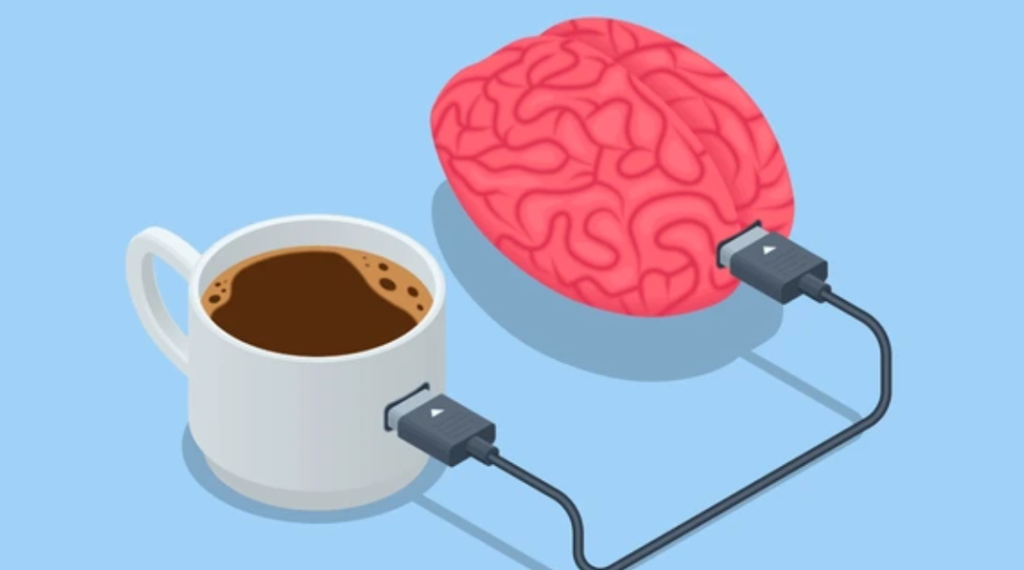
For centuries, tea and coffee have fueled human thought, creativity, and connection, each offering a unique blend of compounds that influence cognition, mood, and long-term neurological health. While coffee jolts the brain into high gear with its potent caffeine content, tea offers a more meditative alertness, weaving together amino acids and antioxidants that balance stimulation with tranquility. But how do these beverages truly affect the brain on a medical and psychological level?
Caffeine, the primary stimulant in both coffee and tea, blocks adenosine receptors in the brain, preventing drowsiness and increasing alertness (Fredholm et al., 1999). Coffee, with its higher caffeine content, delivers an immediate surge in dopamine and norepinephrine, sharpening focus, improving mood, and enhancing reaction times (Nehlig, 2010). However, this effect can come at a cost—habitual coffee consumption may lead to tolerance, withdrawal symptoms, and even increased anxiety in sensitive individuals.
Tea, in contrast, offers a gentler cognitive lift. Green and black teas contain L-theanine, an amino acid that modulates caffeine’s impact by increasing alpha brainwave activity, fostering a state of relaxed alertness (Nathan et al., 2013). This means that while coffee provides a rapid and intense burst of mental energy, tea sustains a smoother and more prolonged period of focus without the jitters.
Long-term studies suggest that both tea and coffee offer neuroprotective benefits, but through different mechanisms. Coffee consumption has been linked to a reduced risk of neurodegenerative diseases such as Parkinson’s and Alzheimer’s, possibly due to its polyphenols and ability to enhance insulin sensitivity (Chen et al., 2010). A study found that individuals who drank three to five cups of coffee per day had a 65% lower risk of developing Alzheimer’s disease compared to non-drinkers (Eskelinen & Kivipelto, 2010).
Tea, particularly green tea, is rich in catechins and epigallocatechin gallate (EGCG), powerful antioxidants that protect brain cells from oxidative stress and inflammation (Mancini et al., 2018). Regular tea drinkers have demonstrated stronger functional brain connectivity and reduced cognitive decline in aging populations (Feng et al., 2019). Unlike coffee, tea also exerts a calming effect due to its GABA-modulating properties, potentially reducing symptoms of anxiety and depression over time.
The Psychological Ritual: Stimulation vs. Serenity
Beyond chemistry, the act of consuming tea or coffee has profound psychological implications. Coffee is often associated with productivity, urgency, and high-intensity work environments. It’s the fuel of deadlines and late-night projects, reinforcing a culture of speed and efficiency. The smell of freshly brewed espresso alone can activate dopamine pathways, priming the brain for action (Seo et al., 2021). However, this can also lead to an over-reliance on caffeine as a stimulant, masking fatigue rather than addressing its root cause.
Tea, on the other hand, is deeply tied to mindfulness and tradition. Whether it’s the meditative nature of a Japanese tea ceremony or the slow, social enjoyment of chai in Indian households, tea-drinking fosters presence and patience. Studies indicate that the ritualistic aspect of tea consumption—waiting for it to steep, inhaling its aroma, sipping it slowly—can have a psychological placebo effect, reducing stress and enhancing overall well-being (Scholey et al., 2012).
Flavor plays an unspoken role in the sensory and emotional impact of both beverages. The smoky intensity of Lapsang Souchong tea can ground the mind, while the floral complexity of jasmine tea may evoke a sense of calm. Coffee’s dark, caramelized notes, whether from Ethiopian Yirgacheffe’s bright fruitiness or the deep chocolate undertones of Sumatran roasts, stimulate more than just cognition—they evoke memory, culture, and emotion.
Spiced masala chai, with its blend of ginger, cardamom, and black tea, has been linked to improved digestion and reduced inflammation, adding an extra layer of well-being to its consumption (Sengupta et al., 2020). Meanwhile, cold-brew coffee offers a lower-acidity alternative to traditional espresso, making it a smoother yet equally stimulating option.
While both tea and coffee offer immense cognitive and psychological benefits, they are not without drawbacks. Coffee, particularly when consumed in excess, can contribute to heightened anxiety, increased cortisol levels, and disrupted sleep cycles (Lovallo et al., 2005). The acidic nature of coffee may also lead to gastrointestinal discomfort, making it less ideal for those with sensitive digestion.
Tea, although gentler, is not entirely free of concerns. Excessive green tea consumption has been linked to iron absorption issues, particularly in individuals prone to anemia (Zijp et al., 2000). Some teas, such as matcha, have high fluoride content, which, in extreme cases, could contribute to dental or bone issues.
Tea and coffee are more than just beverages—they are cognitive enhancers, mood regulators, and cultural cornerstones. The choice between them depends not only on personal preference but also on one’s mental and physiological needs. Coffee may be the elixir of sharp focus and immediate energy, while tea nurtures a slower, more sustained cognitive rhythm. Both have a place in the spectrum of human experience, offering their unique gifts to those who seek them.
As we sip, perhaps the real question is not which is better, but which best aligns with the moment, the mind, and the journey ahead.
References
- Chen, X., Gawryluk, J. W., Wagener, J. F., & Smith, A. M. (2010). Caffeine’s effects on cognitive performance: Neuroprotective mechanisms in Alzheimer’s and Parkinson’s diseases. Journal of Alzheimer’s Disease, 20(s1), S245-S255.
- Eskelinen, M. H., & Kivipelto, M. (2010). Caffeine as a protective factor in dementia and Alzheimer’s disease. Journal of Alzheimer’s Disease, 20(1), 167-174.
- Feng, L., Zheng, Y., Leng, X., Li, J., Cummings, B. J., Chen, L., & Kua, E. H. (2019). Tea drinking and cognitive function in elderly people. Journal of Nutrition, Health & Aging, 23(3), 246-253.
- Fredholm, B. B., Bättig, K., Holmén, J., Nehlig, A., & Zvartau, E. E. (1999). Actions of caffeine in the brain with special reference to factors that contribute to its widespread use. Pharmacological Reviews, 51(1), 83-133.
- Lovallo, W. R., Farag, N. H., Vincent, A. S., Thomas, T. L., & Wilson, M. F. (2005). Cortisol responses to mental stress, exercise, and meals following caffeine intake in men and women. Pharmacology Biochemistry and Behavior, 81(3), 634-643.
- Mancini, E., Beglinger, C., Drewe, J., Zanchi, D., Lang, U. E., & Borgwardt, S. (2018). Green tea effects on cognition, mood, and human brain function: A systematic review. Phytomedicine, 50, 165-173.
- Nathan, P. J., Lu, K., Gray, M., & Oliver, C. (2013). The neuropharmacology of L-theanine (N-ethyl-L-glutamine): A possible neuroprotective and cognitive-enhancing agent. Journal of Functional Foods, 5(4), 1937-1953.
- Nehlig, A. (2010). Is caffeine a cognitive enhancer? Journal of Alzheimer’s Disease, 20(s1), S85-S94.
- Scholey, A., Downey, L. A., Ciorciari, J., & Pipingas, A. (2012). The acute cognitive and mood effects of tea and coffee: Their role in the psychology of well-being. Phytotherapy Research, 26(5), 725-732.
