
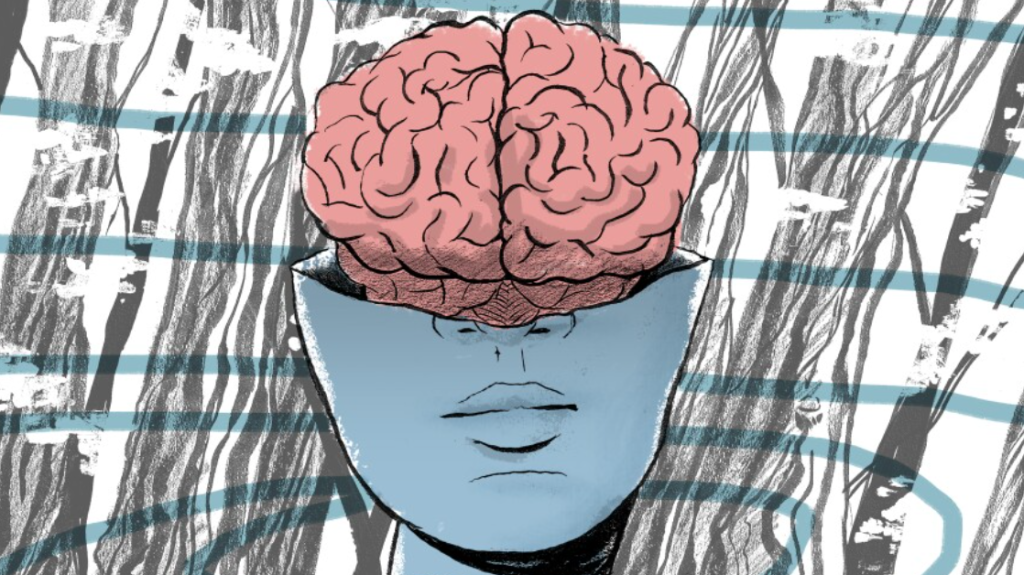
Schizophrenia is a complex and chronic mental health disorder characterized by disruptions in thought processes, perceptions, emotional responsiveness, and social interactions. Affecting approximately 1% of the global population, this disorder has profound implications for patients and their families alike. Understanding its biological, psychological, and environmental factors is essential to addressing its management effectively.
The medical community widely acknowledges schizophrenia as a neurodevelopmental disorder with multifaceted etiologies. Its roots lie in genetic predisposition, structural brain abnormalities, and dysregulation of neurotransmitters like dopamine and glutamate. Studies using neuroimaging have revealed decreased gray matter in regions such as the frontal lobe and hippocampus, which are critical for decision-making and memory, respectively (van Erp et al., 2018).
Environmental factors, including prenatal stress, malnutrition, and exposure to infections, can exacerbate genetic vulnerabilities. Additionally, psychosocial stressors like trauma or substance abuse may act as triggers, precipitating the onset of symptoms in predisposed individuals.
Schizophrenia manifests in various ways, typically categorized into positive, negative, and cognitive symptoms. Positive symptoms, such as hallucinations and delusions, involve an exaggeration of normal functioning. Negative symptoms include emotional flatness, social withdrawal, and reduced motivation. Cognitive impairments often affect memory, attention, and executive functioning. These symptoms collectively impair an individual’s ability to function in daily life and maintain relationships.
Diagnosis is primarily clinical, based on criteria outlined in the DSM-5, which require the presence of symptoms for at least six months. Biomarkers and neuroimaging tools are emerging as adjuncts, though they are not yet standard in practice.
Modern treatments for schizophrenia focus on mitigating symptoms and improving quality of life. Antipsychotic medications are the cornerstone of management, working primarily by modulating dopamine pathways. First-generation antipsychotics (e.g., haloperidol) target positive symptoms but are associated with significant side effects, including tardive dyskinesia. Second-generation antipsychotics (e.g., olanzapine, risperidone) offer broader symptom control with fewer motor side effects but may lead to metabolic issues (Leucht et al., 2012).
Psychosocial interventions complement pharmacological therapy. Cognitive Behavioral Therapy (CBT) has shown efficacy in addressing delusional thoughts and improving social functioning. Family therapy, psychoeducation, and vocational training further help patients reintegrate into society.
However, treatment adherence remains a significant challenge, as side effects and stigma often discourage patients from continuing medication. This underscores the need for patient-centered care, emphasizing shared decision-making and regular follow-up.
Holistic Approaches to Schizophrenia
While modern medicine has advanced significantly, holistic approaches offer complementary strategies for managing schizophrenia. These methods focus on the individual’s overall well-being, addressing mind, body, and spirit.
- Diet and Nutrition: Emerging evidence suggests that gut health may influence mental health through the gut-brain axis. Diets rich in omega-3 fatty acids, antioxidants, and probiotics have been explored for their potential to reduce inflammation and oxidative stress, which are implicated in schizophrenia (Amminger et al., 2015).
- Mindfulness and Stress Reduction: Techniques like mindfulness meditation, yoga, and Tai Chi can help manage stress, which often exacerbates symptoms. These practices promote emotional regulation and reduce cortisol levels, offering patients a sense of control over their condition.
- Social Support and Community Integration: Holistic care often emphasizes community-based interventions. Support groups and peer-led initiatives provide a sense of belonging, reducing feelings of isolation that many patients experience.
- Traditional Healing Practices: In some cultures, traditional remedies, including herbal medicine and spiritual rituals, play a role in schizophrenia management. While these practices lack robust empirical evidence, they offer cultural resonance and emotional comfort for certain populations.
Living with schizophrenia is an arduous journey, not just for patients but also for their families. Patients often face societal stigma, which can lead to isolation and discrimination. Families, on the other hand, grapple with emotional, financial, and logistical challenges. The unpredictability of the disorder, coupled with the difficulty of ensuring treatment adherence, can strain relationships and lead to caregiver burnout.
Support systems are crucial in this context. Educational programs for families can demystify the disorder and provide coping strategies. Additionally, respite care services offer temporary relief, allowing caregivers to recharge and continue providing support.
The landscape of schizophrenia research is rapidly evolving. Advances in genomics have identified potential risk genes, paving the way for targeted therapies. Investigations into the role of inflammation and immune dysfunction have spurred interest in anti-inflammatory drugs as adjunct treatments.
Neurostimulation techniques like Transcranial Magnetic Stimulation (TMS) and Deep Brain Stimulation (DBS) are being explored for their ability to modulate brain activity non-invasively. Digital tools, including mobile apps and wearable devices, offer promise for monitoring symptoms and enhancing treatment adherence.
However, despite these advancements, challenges remain. The heterogeneity of the disorder complicates diagnosis and treatment. Additionally, access to care remains inequitable, particularly in low-resource settings where stigma and lack of infrastructure hinder progress.
The Good, the Bad, and the Complex Reality
The progress in understanding and managing schizophrenia is undeniable. Advances in pharmacology and technology have improved outcomes for many patients. Yet the disorder’s complexity means that no single approach works for everyone.
Modern medicine excels at symptom management but often overlooks the human experience of living with schizophrenia. Holistic approaches, while addressing this gap, face skepticism due to limited empirical validation. Balancing these paradigms requires an open-minded, patient-centered approach that respects individual preferences and cultural contexts.
Schizophrenia is a multifaceted disorder that demands a multifaceted approach. By integrating the strengths of modern medicine with holistic strategies, we can offer patients more comprehensive care. Understanding the struggles of both patients and families is key to fostering empathy and creating supportive environments.
As research continues to unravel the complexities of schizophrenia, hope remains for more effective, personalized treatments. Ultimately, the journey of managing schizophrenia is one of resilience—both for those living with the disorder and those supporting them. It is a testament to the human capacity for growth and adaptation, even in the face of profound challenges.
References
- van Erp, T. G. M., et al. (2018). “Cortical brain abnormalities in schizophrenia: A meta-analysis of structural imaging studies.” Schizophrenia Bulletin.
- Leucht, S., et al. (2012). “Comparative efficacy and tolerability of 15 antipsychotic drugs in schizophrenia: A multiple-treatment meta-analysis.” The Lancet.
- Amminger, G. P., et al. (2015). “Omega-3 fatty acids in early-stage schizophrenia.” Schizophrenia Research.
- Tandon, R., et al. (2009). “Schizophrenia, ‘just the facts’ what we know in 2009.” Schizophrenia Research.
- Green, M. F., et al. (2008). “Social cognition in schizophrenia.” Nature Reviews Neuroscience.
- Kane, J. M. & Correll, C. U. (2010). “Pharmacologic treatment of schizophrenia.” Dialogues in Clinical Neuroscience.
