
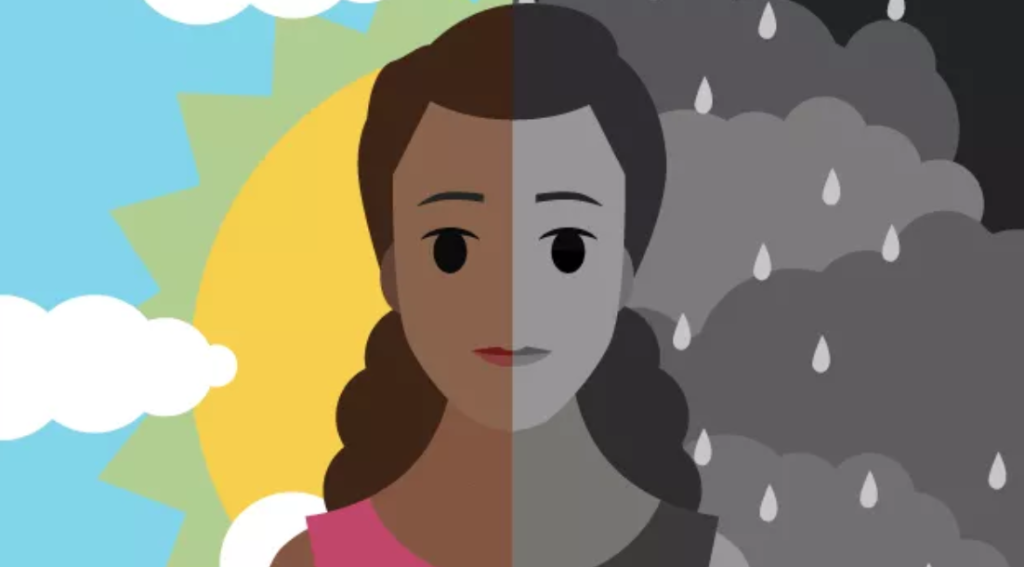
Bipolar disorder, a complex and often misunderstood mental health condition, is characterized by extreme shifts in mood, energy, and activity levels. These mood fluctuations can range from episodes of mania or hypomania to deep depressive states, affecting an individual’s personal and professional life in profound ways. While historically stigmatized, modern research and medical advancements continue to shed light on its causes, impact, and treatment options.
Psychologically, bipolar disorder is linked to dysregulation in emotional processing and cognitive function. Studies suggest that individuals with bipolar disorder show increased activity in the amygdala, which is responsible for emotional responses, and decreased regulation by the prefrontal cortex, which helps in impulse control and decision-making (Phillips & Swartz, 2014). This imbalance explains the heightened emotional intensity and impulsivity seen in manic states, as well as the cognitive slowing and negative thought patterns present in depressive episodes. Research by Goodwin & Jamison (2007) emphasizes that bipolar disorder is not simply a mood disorder but a disruption of circadian rhythms, neurotransmitter function, and overall brain connectivity.
From a medical perspective, bipolar disorder is linked to abnormalities in neurotransmitter systems, particularly dopamine, serotonin, and glutamate (Malhi & Kuiper, 2012). MRI studies have revealed structural differences in the brains of individuals with bipolar disorder, including reduced gray matter volume in the prefrontal cortex and hippocampus, which are involved in emotional regulation and memory (Selvaraj et al., 2012). Genetic predisposition also plays a significant role, with studies indicating that individuals with a first-degree relative diagnosed with bipolar disorder have a significantly higher likelihood of developing the condition themselves (Craddock & Sklar, 2013). Environmental triggers, such as trauma, sleep disturbances, and substance use, can exacerbate symptoms, making lifestyle management a crucial aspect of treatment.
Despite its challenges, bipolar disorder has some unexpected advantages. Many individuals with the condition report heightened creativity, increased productivity during manic phases, and a unique ability to see connections others might not (Johnson et al., 2012). Historical figures such as Vincent van Gogh and Virginia Woolf are often speculated to have had bipolar disorder, demonstrating the potential for artistic brilliance and intellectual contributions. However, the cons can be devastating. Manic episodes may lead to reckless behavior, financial instability, and damaged relationships, while depressive episodes can bring about self-isolation, suicidal ideation, and an inability to function in daily life. The unpredictability of mood swings can strain self-image, making individuals feel out of control of their own minds and bodies.
The ripple effect of bipolar disorder extends beyond the individual, significantly impacting family dynamics, relationships, and work-life stability. Family members often struggle with feelings of helplessness, frustration, and emotional exhaustion, particularly when their loved one is experiencing severe mood episodes (Miklowitz, 2011). At work, inconsistent energy levels can make it difficult for individuals with bipolar disorder to maintain steady employment, leading to frequent job changes, workplace conflicts, or even job loss. Employers and colleagues may misinterpret symptoms as laziness or irresponsibility, further stigmatizing those who struggle with the disorder.
Treatment options for bipolar disorder have evolved significantly, focusing on both pharmaceutical and non-pharmaceutical interventions. Mood stabilizers such as lithium remain the gold standard in preventing manic and depressive episodes, while antipsychotic medications and antidepressants may be used in specific cases (Geddes & Miklowitz, 2013). Psychotherapy, particularly cognitive-behavioral therapy (CBT) and dialectical behavior therapy (DBT), helps individuals manage thought patterns, emotional regulation, and interpersonal conflicts. Lifestyle interventions, such as maintaining a strict sleep schedule, engaging in regular physical activity, and mindfulness practices, play an essential role in long-term stability.
Current research into bipolar disorder is exploring innovative treatment approaches, including neuromodulation techniques like transcranial magnetic stimulation (TMS) and deep brain stimulation (DBS) (McIntyre et al., 2020). Additionally, studies on the gut-brain axis suggest that gut microbiota may influence mood regulation, opening up potential new treatment avenues (Dash et al., 2015). Genetic research continues to identify biomarkers that may help predict susceptibility to bipolar disorder, allowing for earlier intervention and personalized treatment plans.
Bipolar disorder is categorized into different types, each with its unique challenges. Bipolar I disorder is characterized by full-blown manic episodes that may require hospitalization, often alternating with major depressive episodes. Bipolar II disorder involves hypomanic episodes, which are less severe but still disruptive, followed by debilitating depressive episodes. Cyclothymic disorder presents as chronic mood instability with milder highs and lows, while other specified and unspecified bipolar disorders include cases that do not fit neatly into standard diagnostic criteria.
Real-life cases provide a glimpse into the varied experiences of those with bipolar disorder. A successful entrepreneur may thrive during manic phases, generating innovative ideas and driving business growth, only to struggle with severe depression that renders them unable to work for weeks at a time. A college student might experience bursts of intense motivation and sleepless nights of studying, followed by periods of academic failure due to depressive fatigue. Understanding these patterns is key to providing compassionate support and effective treatment.
While bipolar disorder presents unique challenges, it is a condition that can be managed with the right combination of treatment, self-awareness, and support. Those experiencing symptoms should seek professional help and explore treatment options tailored to their individual needs. If you or someone you know is struggling with mood instability, consider booking a session with me via our website themedalien.com, for mental health coaching and guidance on navigating the complexities of bipolar disorder. Knowledge, patience, and proper management can transform the experience from a chaotic ride into a journey of self-discovery and resilience.
References:
- Craddock, N., & Sklar, P. (2013). Genetics of bipolar disorder. The Lancet, 381(9878), 1654-1662.
- Dash, S., Clarke, G., Berk, M., & Jacka, F. N. (2015). The gut microbiome and diet in psychiatry: Focus on depression. Current Opinion in Psychiatry, 28(1), 1-6.
- Geddes, J. R., & Miklowitz, D. J. (2013). Treatment of bipolar disorder. The Lancet, 381(9878), 1672-1682.
- Goodwin, F. K., & Jamison, K. R. (2007). Manic-Depressive Illness: Bipolar Disorders and Recurrent Depression. Oxford University Press.
- Johnson, S. L., Murray, G., Fredrickson, B. L., Youngstrom, E. A., Hinshaw, S. P., Malhi, G. S., & Bass, J. M. (2012). Creativity and bipolar disorder: Touched by fire or burning with questions? Clinical Psychology Review, 32(1), 1-12.
- Malhi, G. S., & Kuiper, S. (2012). Bipolar disorder: Are serotonin and dopamine out of tune? Molecular Psychiatry, 17(1), 23-27.
- McIntyre, R. S., Kennedy, S. H., & Soczynska, J. K. (2020). Neuromodulation strategies for bipolar disorder: Emerging evidence. Current Psychiatry Reports, 22(1), 8.
- Miklowitz, D. J. (2011). The Bipolar Disorder Survival Guide: What You and Your Family Need to Know. Guilford Press.
- Phillips, M. L., & Swartz, H. A. (2014). A critical appraisal of neuroimaging studies of bipolar disorder: Towards a new model. Biological Psychiatry, 75(6), 456-466.
- Selvaraj, S., Arnone, D., & Job, D. (2012). Grey matter differences in bipolar disorder. Bipolar Disorders, 14(2), 135-148.
