
Peripheral Artery Disease: Risk Factors, Symptoms, and Effective Management Strategies
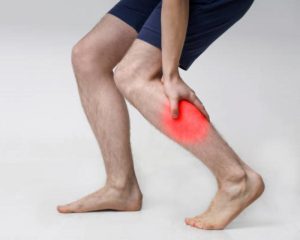
What is Peripheral Artery Disease – Peripheral artery disease, also known as Peripheral Arterial Disease (PAD), is a condition that affects millions of people worldwide. It is characterised by the buildup of plaque in the peripheral arteries, which leads to decreased blood flow in the peripheral arteries. By being aware of this condition, you can take steps to protect your health.
Risk factors: Risk factors for peripheral artery disease include diabetes, smoking, obesity, high blood pressure, high cholesterol, being over 50 years old, having a family history of heart disease, stroke or peripheral artery disease, and having high levels of homocysteine.
What are the symptoms? -The main symptom of peripheral artery disease (PAD) is calf pain that occurs during walking and is relieved by rest, known as intermittent claudication. Atypical symptoms like leg weakness, numbness and tingling sensation also occur. Many individuals with PAD may not experience noticeable symptoms, which can be attributed to two main reasons. Some individuals with mild or moderate PAD tend to avoid activities that require increased blood flow to the leg muscles, thus preventing the onset of symptoms. Others may experience muscle discomfort while walking but mistakenly attribute it to the effects of aging and therefore do not report these symptoms.
How to diagnose? – Key elements of the past, like cardiovascular risk factors such as tobacco use, high blood pressure, elevated cholesterol levels, and diabetes, are considered during assessment. The diagnosis of PAD is typically determined based on a thorough medical history, including an evaluation of the patient’s symptoms and ability to walk, along with a clinical vascular examination that includes measuring the ankle-brachial pressure index (ABPI). On physical examination, patients with PAD may show reduced or absent lower extremity pulses, which can be confirmed with the ankle-brachial index (ABI), a simple test that measures blood flow in the legs. The normal range for an ABI is 0.9 to 1.3. ABI <0.9 signifies PAD and 0.5-0.9 have claudication pain. The results of blood tests might show changes in kidney function and unusual levels of electrolytes. Increased levels of CRP, D-dimer, and interleukin 6 have been linked to decreased ability to exercise.
How to manage/treat PAD? – Management plans for PAD aim to achieve two main goals: reducing cardiovascular risk and improving walking ability. Lifestyle changes like smoking cessation, lowering cholesterol, and management of hypertension and diabetes are to be done to lower cardiovascular risk. First-line therapy includes lifestyle changes and supervised exercise therapy (SET), which involves walking till significant claudication pain, briefly resting and walking again after the pain subsides for at least 12 weeks. Medications like Cilastozol, and Pentoxifylline improve circulation and are used for claudication pain. Patients who respond positively to cilostazol improve within 12 weeks but cilostazol is contraindicated in patients with congestive heart failure. Patients with lifestyle-limiting claudication who do not respond well to conservative treatments and medications after trying for at least six months may consider surgical options like revascularisation.
Prevention/Care – Smoking cessation, regular physical activity, healthy diet, medication adherence, and management of diabetes and hypertension are a few of the important lifestyle changes to be incorporated in patients with PAD. It is important to realise that there is no cure for PAD and if lifestyle changes are not made the condition progresses.
References:
1.Zemaitis MR, Boll JM, Dreyer MA. Peripheral Arterial Disease. [Updated 2023 May 23]. In: StatPearls [Internet]. Treasure Island (FL): StatPearls Publishing; 2024 Jan-. Available from: https://www.ncbi.nlm.nih.gov/books/NBK430745/
2.Nordanstig, J., Behrendt, C., Bradbury, A., De Borst, G., Fowkes, F., Golledge, J., Gottsater, A., Hinchliffe, R., Nikol, S., & Norgren, L. (2023). Peripheral arterial disease (PAD) – A challenging manifestation of atherosclerosis. Preventive Medicine, 171, 107489. https://doi.org/10.1016/j.ypmed.2023.107489
