
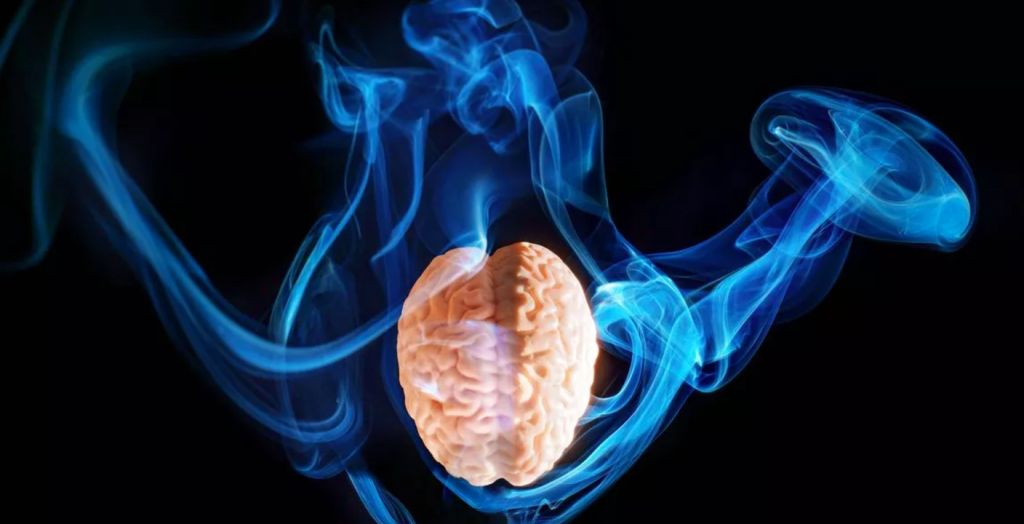
The advent of vaping has sparked widespread discussion, raising questions about its health implications, societal acceptance, and potential uses. While traditionally viewed as a harm-reduction tool for smokers, vaping has gained traction in various contexts, including occasional use for psychological benefit. For some, like myself, it is an occasional aid—used sparingly as a tool to manage specific needs.
Nicotine, the active compound in most vapes, is a stimulant that interacts with the brain’s reward system by releasing dopamine—a neurotransmitter associated with pleasure and motivation. Occasional use of vaping can provide psychological comfort, particularly during stressful times, by offering a momentary reprieve from anxiety.
For many adults, vaping is not about addiction but intentionality. Used in moderation, it can be a way to cope with temporary stressors or boost focus. I find that, when used occasionally, vaping can bring clarity in moments of overwhelm, acting as a mindful pause. However, it’s essential to recognize that reliance on any substance for psychological relief can become problematic if not managed carefully.
That said, the psychological effects of nicotine vary widely. Non-ADHD brains may experience heightened stimulation or even jitteriness, while individuals with ADHD often report a calming and focusing effect. This difference lies in neurochemical regulation, which we’ll explore next.
Nicotine’s effect on the brain is particularly noteworthy in individuals with ADHD. ADHD brains have irregular dopamine regulation, which often manifests as difficulty in maintaining focus and managing impulsivity. Nicotine’s ability to stimulate dopamine production makes it uniquely appealing for people with ADHD, as it provides a balancing effect on the brain’s reward system.
Research suggests that the dopaminergic boost from nicotine can improve attention and executive function in ADHD individuals, akin to medications like methylphenidate (Ritalin) (Wilens & Spencer, 2010). However, these effects are temporary, and frequent use can lead to dependency. Furthermore, while vaping may offer transient focus, it does not address the underlying neurological mechanisms of ADHD.
For non-ADHD individuals, the dopamine surge from nicotine can feel overstimulating or even anxiety-inducing. This stark contrast underscores the importance of understanding individual neurochemistry before using substances like nicotine for cognitive or psychological support.
From a medical standpoint, vaping occupies a complex space. On one hand, it has been touted as a harm-reduction alternative to smoking traditional cigarettes, which are associated with well-documented health risks such as lung cancer and cardiovascular disease. Vaping eliminates many of the carcinogenic byproducts of combustion, such as tar and carbon monoxide, offering a less harmful alternative for nicotine delivery (Public Health England, 2015).
On the other hand, vaping is not without risks. Studies have shown that prolonged use can lead to lung irritation and damage, primarily from the inhalation of e-liquid components like propylene glycol and vegetable glycerin (Gotts et al., 2019). Additionally, nicotine itself carries potential cardiovascular risks, including increased heart rate and blood pressure.
The long-term effects of vaping are still under investigation, but early findings suggest that it is not entirely benign. For occasional users like myself, the key lies in moderation. When used sparingly, vaping’s medical risks are minimized, and its benefits—such as stress relief and cognitive enhancement—can be enjoyed responsibly.
Vaping offers a safer alternative to smoking by delivering nicotine without the harmful byproducts of combustion. For smokers transitioning to vaping, the reduction in health risks is substantial (Hajek et al., 2019). For occasional users, vaping can serve as a quick and convenient way to manage stress or enhance focus, especially in demanding situations. Vaping allows users to control their nicotine intake, making it easier to use responsibly. Lower-nicotine e-liquids can mitigate dependency risks. For individuals with ADHD, the dopaminergic effects of nicotine may enhance focus and cognitive performance, providing relief from symptoms.
While less harmful than smoking, vaping is not without risks. Prolonged use can cause respiratory irritation, and the long-term effects remain uncertain (Gotts et al., 2019). Nicotine is highly addictive. Even occasional use can lead to dependency if not carefully managed, particularly for individuals predisposed to addiction.The vaping industry lacks uniform regulations, leading to variability in product quality and safety. Counterfeit or low-quality e-liquids can pose additional risks.
For someone like me, who uses vaping as an occasional tool rather than a daily habit, the benefits outweigh the risks. It provides a sense of control, allowing me to regulate my focus and manage stress in challenging moments. However, this approach requires self-awareness and discipline. To use vaping responsibly, it’s essential to adopt a holistic perspective. Understanding its psychological and medical implications, alongside individual neurochemical differences, is key to making informed decisions. Here are some practical tips:
- Use Sparingly: Limit vaping to specific situations where its benefits outweigh potential risks.
- Choose Quality Products: Ensure e-liquids and devices meet safety standards to minimize health risks.
- Monitor Dependency: Regularly assess usage patterns to prevent reliance.
- Complement with Lifestyle Changes: Pair vaping with mindfulness, exercise, and other healthy coping strategies for stress and focus.
The debate around vaping with nicotine is far from settled, but one thing is clear: its effects are not universally good or bad. They depend on individual needs, neurochemistry, and usage patterns. For some, like myself, it’s a valuable tool for occasional stress relief and focus. For others, it may represent unnecessary risks.
Ultimately, the choice to vape—or to use any substance—should be guided by personal comfort and autonomy. Whether you choose to vape or abstain, what truly matters is finding what suits your unique needs and adapting to your world in a way that aligns with your values and goals.
In the end, it’s not about whether you do drugs or abstain; it’s about understanding yourself, embracing what works for you, and living authentically in a way that supports your well-being.
References
- Gotts, J. E., Jordt, S. E., McConnell, R., & Tarran, R. (2019). What are the respiratory effects of e-cigarettes? The BMJ, 366, l5275.
- Hajek, P., Phillips-Waller, A., Przulj, D., Pesola, F., Myers Smith, K., Bisal, N., … & McRobbie, H. J. (2019). A randomized trial of e-cigarettes versus nicotine replacement therapy. New England Journal of Medicine, 380(7), 629–637.
- Public Health England. (2015). E-cigarettes: An evidence update.
- Wilens, T. E., & Spencer, T. J. (2010). Understanding attention-deficit/hyperactivity disorder from childhood to adulthood. Postgraduate Medicine, 122(5), 97–109.
