
Post-Traumatic Stress Disorder (PTSD) is a mental health condition triggered by experiencing or witnessing a traumatic event. Its effects ripple through the psychological, emotional, and physical realms, disrupting lives in profound ways. With a global prevalence of PTSD estimated at 3.9% annually, the need for effective interventions remains urgent. This article explores PTSD through both modern and holistic approaches, highlighting psychological research and the complexities of managing this condition.
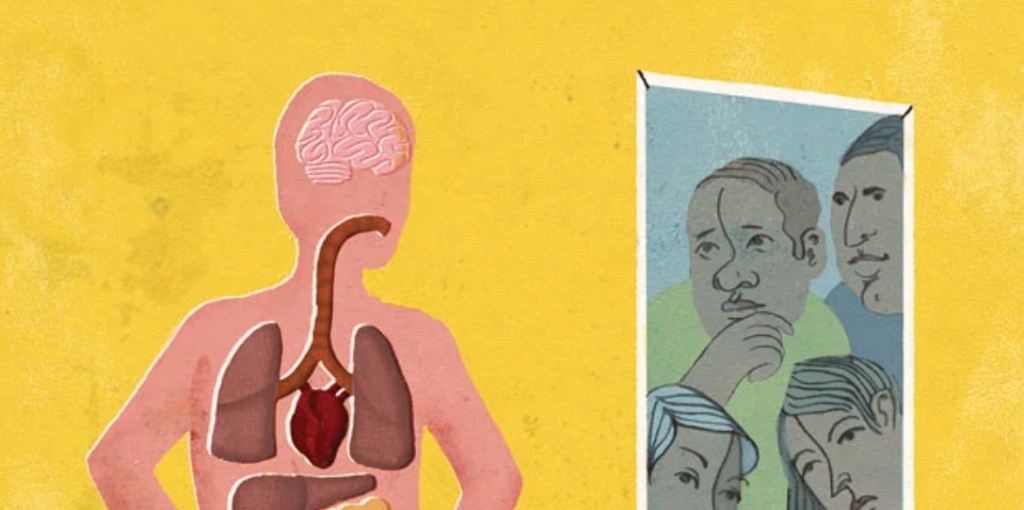
PTSD manifests through symptoms such as flashbacks, nightmares, heightened anxiety, and emotional numbness. From a medical perspective, these symptoms are linked to dysregulated stress responses and changes in brain structures such as the amygdala, hippocampus, and prefrontal cortex. Research has consistently shown heightened amygdala activity in PTSD patients, underscoring their exaggerated fear responses. A diminished hippocampus often contributes to fragmented memories, explaining why sufferers struggle to differentiate past trauma from present reality.
Modern approaches to treating PTSD are grounded in evidence-based practices like psychotherapy and medication. Cognitive-behavioral therapy (CBT), particularly trauma-focused variants such as Prolonged Exposure Therapy (PE) and Cognitive Processing Therapy (CPT), helps patients confront and reframe traumatic memories. Eye Movement Desensitization and Reprocessing (EMDR) has also gained traction, offering a structured method for processing trauma by integrating bilateral sensory stimulation. Research shows significant improvements in PTSD symptoms after EMDR therapy, with its mechanisms rooted in the brain’s ability to rewire neural pathways.
Pharmacological treatments, primarily selective serotonin reuptake inhibitors (SSRIs) like sertraline and paroxetine, aim to stabilize mood and anxiety. However, these medications are not without drawbacks. Side effects such as insomnia, weight gain, and sexual dysfunction can exacerbate distress for some individuals. Additionally, while medication can alleviate symptoms, it does not address the root causes of PTSD, making it an incomplete solution for many.
In contrast, holistic approaches emphasize treating PTSD by nurturing the mind-body connection. Practices such as yoga, mindfulness meditation, and acupuncture have shown promise in reducing symptoms by fostering emotional regulation and stress resilience. A 2018 study published in Frontiers in Psychiatry demonstrated that mindfulness-based interventions significantly reduced PTSD symptoms, as they encouraged patients to remain present rather than reliving past traumas. Yoga, specifically, has been shown to decrease autonomic arousal and improve vagal tone, making it a valuable tool in trauma recovery.
Nutritional interventions also play a role in holistic PTSD management. Omega-3 fatty acids, found in fish and flaxseed, have been shown to reduce inflammation and improve mood stability in PTSD patients. Herbal remedies such as ashwagandha and valerian root are also explored for their anxiolytic properties, though more rigorous clinical trials are needed to confirm their efficacy. Despite their potential, holistic practices are often criticized for lacking the robust scientific validation that characterizes modern therapies.
From a psychological standpoint, the relationship between PTSD and interpersonal dynamics cannot be overlooked. Traumatic experiences often disrupt attachment systems, leaving sufferers struggling with trust and intimacy. Group therapy and support networks address this by providing safe spaces for shared healing. Research shows that group therapy not only fosters a sense of belonging but also improves coping mechanisms by normalizing patients’ experiences.
Modern and holistic methods intersect to provide a balanced approach, acknowledging that healing is not universally applicable. Integrative approaches that combine evidence-based psychotherapy with mindfulness practices or nutritional support allow for personalized treatment plans. These strategies validate the complexity of PTSD while addressing the unique needs of each patient.
The pros and cons of these approaches highlight the challenges of treating PTSD. Modern treatments provide rapid symptom relief for many, backed by decades of research. However, their dependency on structured systems and potential side effects can limit accessibility and appeal. Holistic methods, though empowering and side-effect-free, require time, commitment, and patience, making them less suitable for individuals seeking immediate relief.
In my journey as a mental health coach, I have witnessed clients grappling with PTSD transform through blended approaches. One client, a survivor of domestic violence, found that EMDR helped her reprocess fragmented memories, while daily yoga practice gave her the strength to regulate emotions. Her progress exemplifies how integrating the old with the new can yield profound healing.
Psychological research underscores the adaptability of the human mind, offering hope for PTSD sufferers. Neuroplasticity, the brain’s ability to rewire itself, suggests that recovery is not only possible but attainable with persistence. The concept of “impossible is possible” holds significant resonance in PTSD treatment, as survivors frequently overcome challenges to reconstruct their lives.
As a society, understanding and compassion must guide our support for PTSD survivors. Stigmatization only deepens their wounds, while collective efforts to provide accessible resources and understanding environments pave the way for recovery. Healing from PTSD requires acknowledgment of the pain, acceptance of the process, and a belief in the possibility of renewal.
PTSD is a multifaceted condition that demands equally diverse treatment approaches. Modern and holistic therapies each offer unique strengths, and their integration represents the future of trauma care. While the path to recovery is neither linear nor easy, it is a testament to the resilience of the human spirit. By embracing a balanced approach, we can help survivors turn the impossible into the possible, proving that healing is always within reach.
References
- American Psychiatric Association. (2013). Diagnostic and Statistical Manual of Mental Disorders (5th ed.). Arlington, VA: American Psychiatric Publishing.
- van der Kolk, B. A. (2014). The Body Keeps the Score: Brain, Mind, and Body in the Healing of Trauma. Viking.
- Shapiro, F. (2018). Eye movement desensitization and reprocessing (EMDR) therapy: Basic principles, protocols, and procedures. Guilford Press.
- Mitchell, K. S., et al. (2018). “Mindfulness-Based Interventions for PTSD: A Systematic Review and Meta-Analysis.” Frontiers in Psychiatry, 9, 491.
- Kearney, D. J., et al. (2012). “Mindfulness-Based Stress Reduction in Patients With PTSD.” Journal of Clinical Psychology, 68(1), 101-116.
- Hoge, E. A., et al. (2018). “The Role of Yoga in the Treatment of PTSD: A Literature Review.” Current Psychiatry Reports, 20(9), 78.
- Bremner, J. D. (2006). “Traumatic Stress: Effects on the Brain.” Dialogues in Clinical Neuroscience, 8(4), 445–461.
