
Swelling of an injured part of the body after trauma is often regarded to be normal. However, in certain situations, it can lead to serious complications. Read on to understand more.
Why does the Limb Swell After Injury?
Swelling of the limbs after an injury is due to damage to tiny channels in the body that carry a fluid called “lymph”. On impact, this fluid leaves the channels and gets collected under the skin, resulting in a swelling of the affected area, a condition called “lymph-edema”.
Lympedema can be due to a number of causes, including trauma. A wide range of injuries can cause lymphedema, including fractures, burns and even trivial impact with objects. It can involve the upper and lower limbs, face as well as the abdomen, depending on the site of injury.
Some amount of swelling after an injury can be expected and is considered normal. However, if it persists beyond a few weeks, becomes painful or increases in size, it is advised to consult a medical specialist at the earliest. (Nevertheless, for optimal healing of the injury and to avoid any untoward complications, it is best to visit a doctor as soon as possible following the trauma)
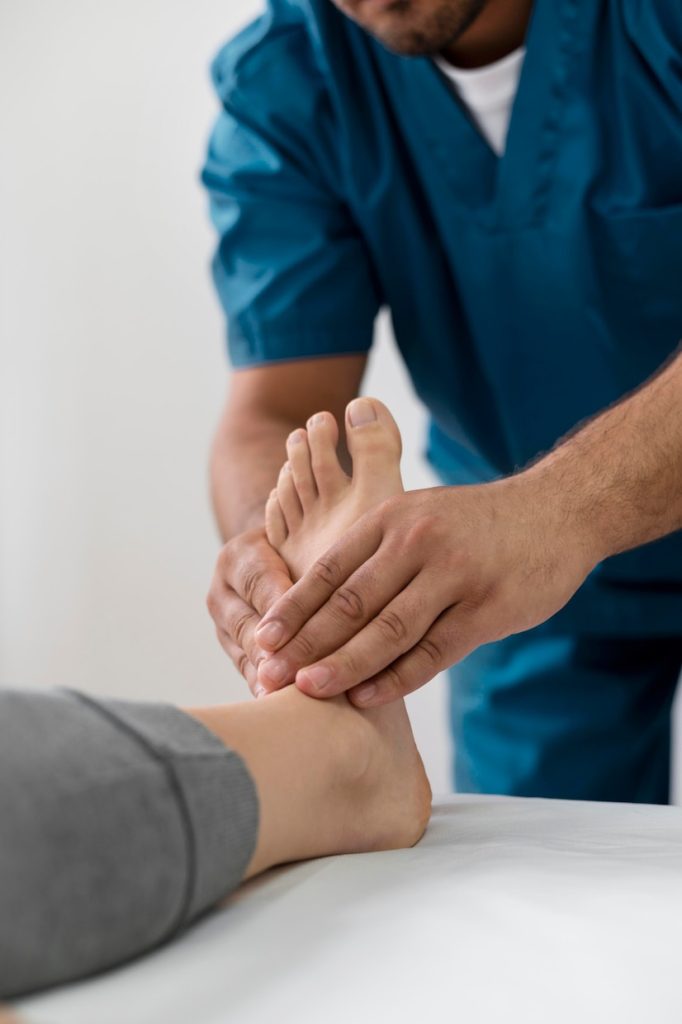
Another condition that causes swelling of the limb, often following injury, is deep vein thrombosis (DVT). It is due to injury to the underlying blood vessels that results in the formation of clots in the veins which can get dislodged to the lungs, resulting in devastating complications. In this case, the limb would be extremely painful to touch and move, and the condition warrants immediate medical attention.
Why Should We Treat Limb Swellings?
When left untreated, lymph-edema can cause complications that can adversely impact the person’s overall well-being. Here are a few of its unpleasant consequences.
Infection
Minor cuts, abrasions, insect bites or any kind of trivial or major injury to the skin of the affected part can easily lead to infections such as “cellulitis” and “lymphangitis”. Additionally, common diseases affecting the skin, including eczema, and infections affecting the skin such as fungal conditions and chickenpox, can cause lymph-based infections in affected individuals.
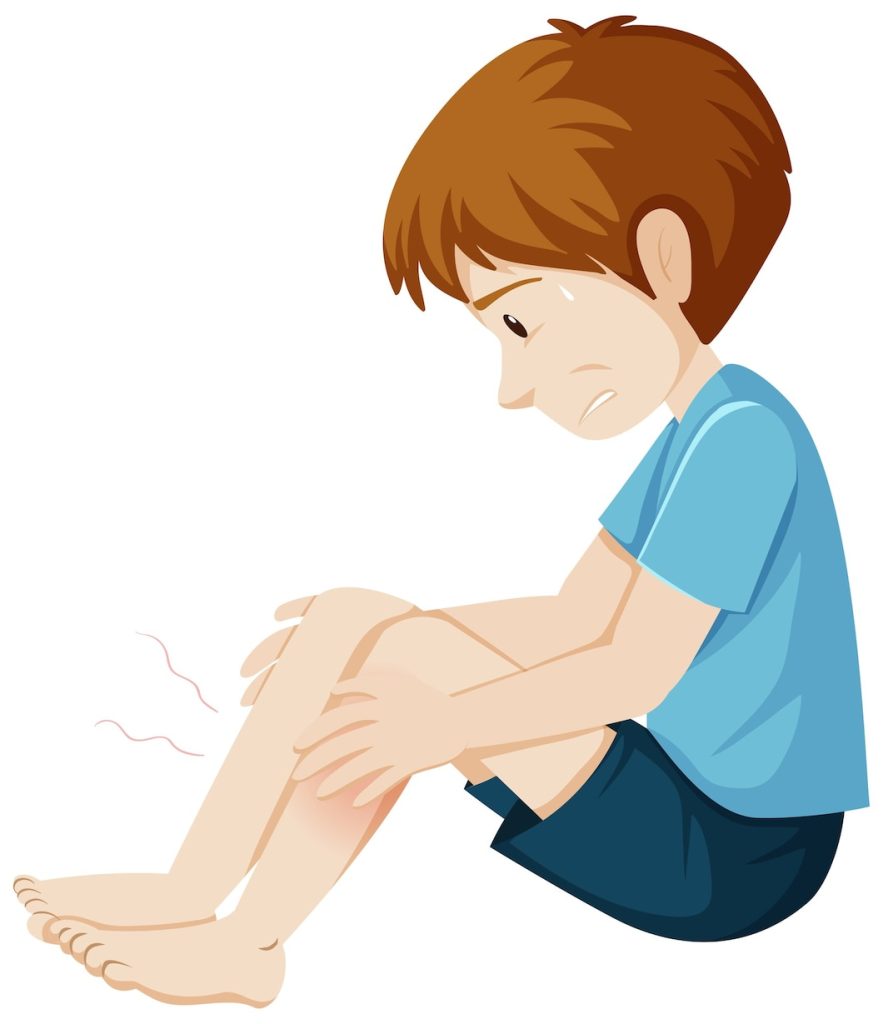
An infected limb is typically warm to touch and is often associated with pain. Redness, frequently in the form of streaks, might be present over the infected areas. This is generally accompanied by high-grade fever, decreased appetite, muscle pain, headaches and malaise. Recurrent episodes of such infections are common.
Care must be taken to seek medical attention as early as possible to prevent further complications such as formation of open wounds, abscesses, sepsis and even death.
Difficulty in Movement
In persons with lymphedema, the limb swelling may progressively increase in size and weight. This can cause heaviness and discomfort in the limbs, making regular activities like walking a cumbersome task. Such individuals are more likely to experience weight gain and its unfavourable effects, including a worsening of their lymphedema.
This is frequently found to have the most detrimental effect on the person’s quality of life.
Skin Changes
Poorly managed lymphedema can lead to skin thickening and fibrous growth. Along with the changing contour of the limb, the cosmetic appearance of the limb gets affected.
Sometimes, in acute infections, painful blisters may erupt over the skin and exude fluid.
How are Limb Swellings Diagnosed?
All limb swellings require swift medical action.
A number of conditions can cause limb swellings such as diseases of the heart, kidneys, liver as well as tumours in the body. Pregnancy and obesity can also cause swelling in the legs. Appropriate blood tests and scans might be prescribed to rule out the aforementioned conditions and to initiate suitable treatment.
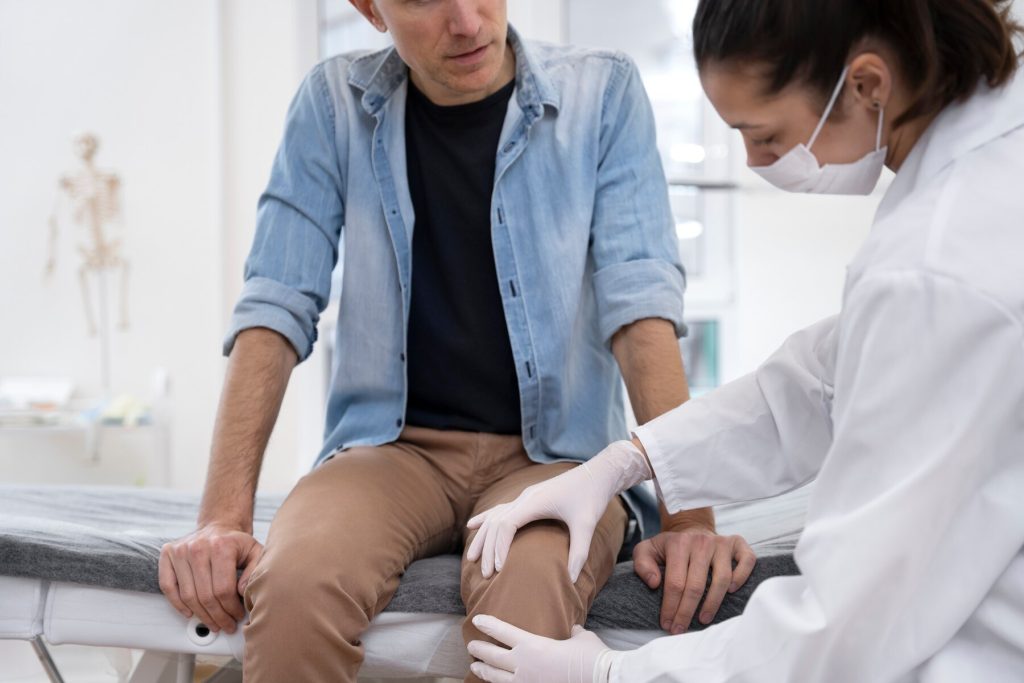
In case of injury or other causes of lymphedema, special scans such as lymphoscintigraphy, MR or ICG lymphangiography, might be requested at times. However, the diagnosis is often solely made by the clinical judgment of the physician in the outpatient office.
Sometimes, the limb swelling can be due to a clot in the veins, as seen in deep vein thrombosis (DVT). Urgent treatment is required to prevent life-threatening complications such as pulmonary embolism and cardiac arrest. This condition is often seen following trauma but can be triggered by other factors as well.
Treatment
After a diagnosis of lymphoedema has been confirmed and other causes have been excluded, a combination of treatment measures might be advised.
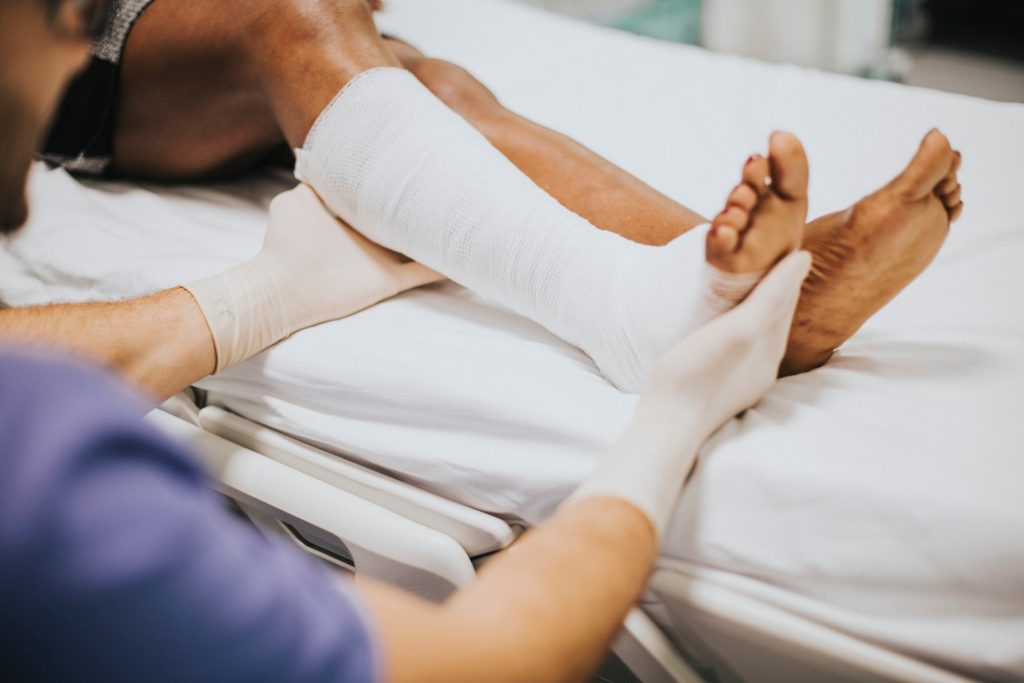
Compression therapy and complete/ complex decongestive therapy (CDT) are among the most recommended methods of management.
CDT typically consists of wrapping the affected limb with low-stretch bandages, along with massages and limb exercises for a few weeks. Additionally, a fitted compression garment may be prescribed to be worn according to the individual’s needs.
(Kindly note that this should be done only on the advice of a trained medical specialist and is not applicable in all situations, especially when the limb is infected)
Medication may be prescribed to strengthen the lymph channels and to reduce the quantity of fluid in the limb.
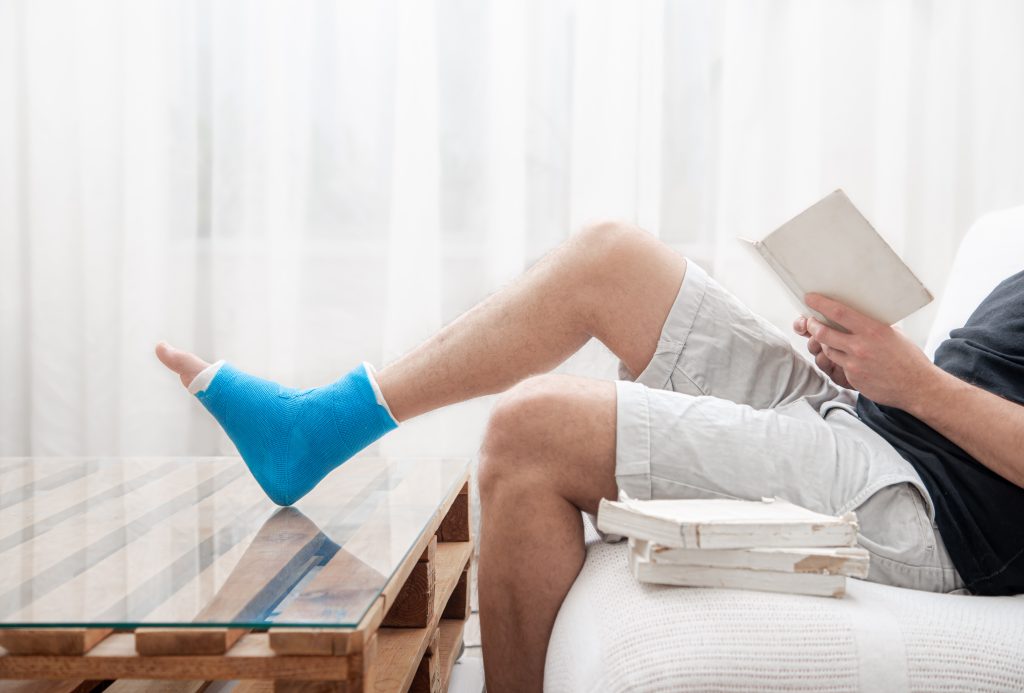
Keeping the limb elevated and supported can prevent further accumulation of lymph. It is recommended to rest the limb over a raised stool when seated and to avoid hanging the legs.
Furthermore, it is suggested to raise the affected limb(s) to the level of the individual’s chest while he/she is lying down flat on a bed during the night. This can be done by placing cushions/ pillows under the feet. Care should be taken to avoid keeping any object beneath the calf to avoid clotting in the underlying blood vessels.
A range of surgical options are also available, but are seldom necessitated.
Key Facts
- Lymph-edema is a debilitating condition that involves swelling of the limb(s)
- Trauma or injury is a common cause of lymph-edema
- If left untreated, it can have serious complications that can adversely affect the individual’s well-being and even cause mortality
- Lymph-edema is often managed by simple, easy-to-follow methods

Sources
- Agbenorku P. Lymphedema: complications and management.
- Minasian RA, Samaha Y, Brazio PS. Post-traumatic lymphedema: review of the literature and surgical treatment options. Plast Aesthet Res. 2022 Mar 12;9:18-27.
Disclaimer
The data presented in this article has been collected from published scientific literature as well as the experience of trained medical personnel among other authentic sources. It is meant to help identify individuals who are likely to suffer the health problems discussed in this article . However, it is advised to seek the counsel of the treating doctor before proceeding with any of the outlined suggestions.
