
Recovery and Rehabilitation
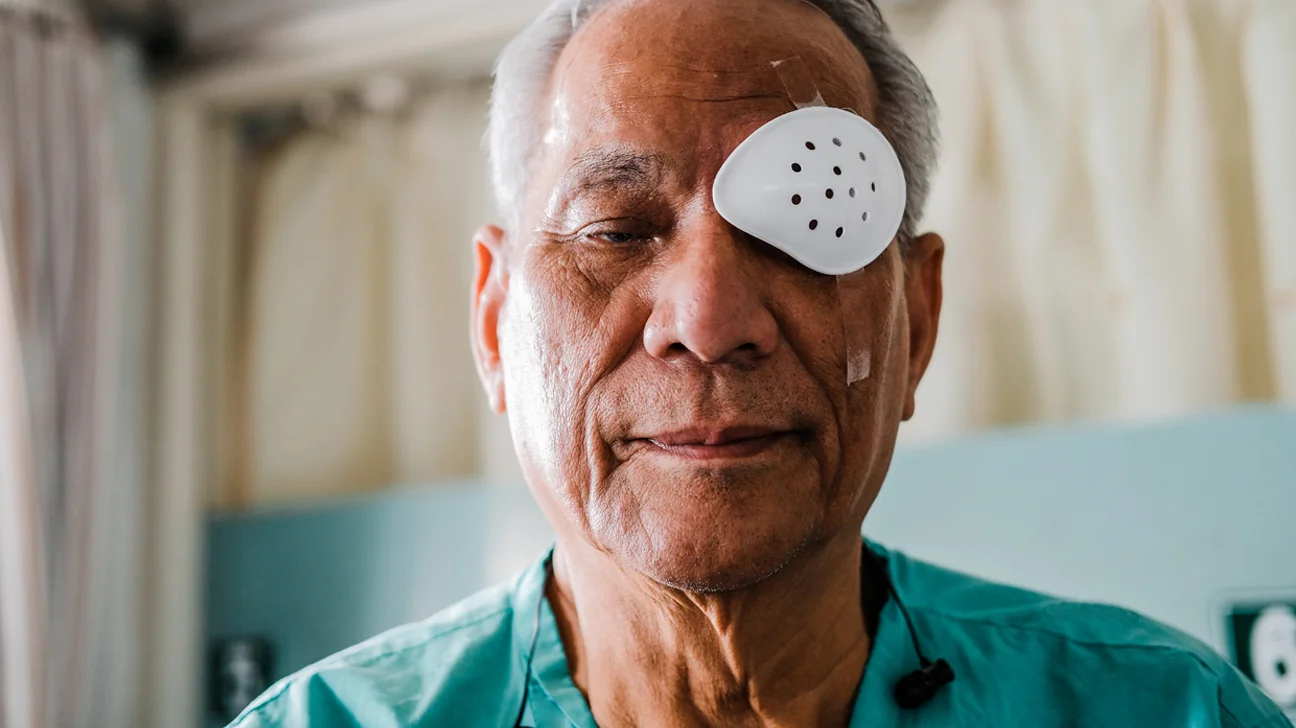
Now that the cataract removal surgery is complete, post-surgery rehabilitation is crucial for a full recovery and the best possible outcome. Immediately after surgery, you will be taken to the recovery area where you can rest until you are ready to leave, usually the same day if there are no complications. A bandage or shield will most likely be placed over the treated eye and will need to remain for the remainder of the day. Therefore, it is a good idea to arrange a ride home in advance. For the first few days after surgery, your eye may be red and sensitive to light. As you recover though, you should begin to see better, and sensitivity should subside. For a recovery without complications, follow all the instructions for eye care listed by your eye care provider. Most patients experience a full recovery in just a few weeks.
Post-Surgery Care
- Rest: It is important to rest as much as possible especially immediately after surgery. To reduce swelling, avoid strenuous activities and keep the head elevated while sleeping.
- Protective Eyewear: After surgery, you will be provided an eye shield or protective glasses to ensure eye health and safety. Make sure to always wear this, even while sleeping, to avoid accidental bumps, dust, or bright light from harming the eye
- Avoid Rubbing the Eye: It is crucial to avoid rubbing or pressing on the operated eye to prevent any damage or infection.
- Avoid Heavy Lifting and Strenuous Activities: Refrain from lifting heavy objects or engaging in intense exercise. Make sure not to bend over as this can increase pressure inside your eye.
- Avoid Water Directly in the Eye: Avoid any activities that include submersing yourself in water such as taking a shower/washing hair, swimming, hot tubs for the first week after surgery. Make sure to consult your eye care provider to determine the best time to start taking showers again. Until then, it is best to take sponge baths.
Follow up Appointments
Patients typically have a follow-up appointment with their eye surgeon the day after surgery. After which, regular follow-ups are scheduled to monitor healing and address any concerns. You will have several follow up visits with your eye care provider. Keep all your appointments.
Medications
Be sure to take any prescribed medications properly and on time. Eye drops will most likely be prescribed and are important for proper healing.
- Eye Drops: Two types of eye drops are typically prescribed. One is an antibiotic eye drop to kill any bacteria that may have entered the eye during surgery and to prevent further infection. Second is an anti-inflammatory eye drop that will help reduce redness and swelling to the operated eye.
- Pain Management: If there is mild discomfort after surgery, which may be common, over the counter pain relief can be used.
How to Use Eyedrops
Before you begin, wash your hands. Sit down and tilt your head back. You may also lie down and look at the ceiling if more comfortable. Then follow these steps:
- Pull down the lower lid of the operated eye with your index finger. This will create a pocket for the eye drops to be caught.
- Look up. Squeeze the drop into the pocket in your lower lid. Don’t blink, wipe your eye.
- Close your eye. Press the inside corner of your eye to stop it from draining down your throat. Continue pressing for 2 to 3 minutes.
- Repeat steps 1 through 3 for each eye and each kind of drop you use. Wait 3 to 5 minutes between drops.
- Make sure to follow prescription instructions carefully
Long-Term Recovery
Visual Adjustments after Surgery
- Gradual Improvement: Vision may fluctuate for several weeks after surgery. This is normal as the operated eye will take time to adjust to the new lens.
- New Glasses Prescription: Your eye care provider will test your vision usually within a month of cataract surgery or after the eye has completely healed. An eye exam will determine if a new glasses prescription is needed. Most patients receive a new prescription at this time.
Lifestyle Modifications to Preserve your Vision
- Regular Eye Exams: Having regular eye exams is the best way to check the health of your eyes and maintain good vision. Exams can also help detect other eye problems, such as a secondary cataract. Schedule an eye exam at least once a year.
- Sun Protection: Wearing sunglasses with UV protection while outdoors can help shield the eyes from damaging light rays and promote healing long after surgery.
- Healthy Diet: Consuming a healthy diet rich in Vitamins A, C, and E, along with omega-3 fatty acids can support eye health and long-term recovery.
- Quit Smoking: If you smoke, quitting can improve the health of your eyes. Talk to a healthcare provider if you need help to quit.
- Manage Diseases that Affect your Vision: Diseases such as uncontrolled diabetes or hypertension can have long term effects on your eye health. It is important to keep diseases such as this in control and well-managed. Talk to your eye care provider about what you can do to specifically help protect your eyes.
When To Contact Your Eye Care Provider
It is important to keep all post-surgery follow up appointment with your eye care provider. This will allow you to be in regular contact with them. It will also make it easier for your provider to monitor your recovery progress. However, if any warning signs for potential complications are noticed then it is important to contact your eye care provider immediately. Some warning signs are:
- Severe Pain: Persistent or intense pain should not be present post cataract surgery. If experienced, then let your eye care provider know immediately.
- Vision Loss: You should not develop vision loss or sudden decrease in vision during the recovery period. In fact, proper recovery will result in ability to see more clearly. If any drastic changes are experienced, address them promptly with your eye care provider.
- Signs of Infection: Redness, swelling, opaque or colored discharge, malodor, or increased light sensitivity could be signs of infection to the eye. Discuss these changes with your eye care provider immediately.
Vision Rehabilitation
Several rehabilitation resources are available to patients recovering from cataract surgery. You may ask your eye care provider to outline what may be available to you. Some examples include:
- Occupational Therapy: For some patients, especially those with other vision issues, occupational therapy may be beneficial in adapting to new vision post-surgery.
- Low Vision Aids: if complete vision recovery is not achieved, low vision aids such as magnifiers, specialized glasses, or electronic devices can enhance daily functioning.
Cataract surgery is the removal of a cloudy lens usually developed over time. The surgery is meant to restore vision and tremendously improve quality of life. However, the success of the surgery depends significantly on proper post-operative care and rehabilitation. By following the recommended guidelines, attending follow up appointments, and immediately addressing any concerns, patients can ensure a smooth and successful recovery. Always consult with your eye care provider for personalized advice and support during the recovery process. You are on your way to seeing clearly!
References
Isaacs R, Ram J, Apple D. Cataract blindness in the developing world. Journal of Agromedicine. 1996;3(4):7-21. doi:10.1300/j096v03n04_02
Kauh CY, Blachley TS, Lichter PR, Lee PP, Stein JD. Geographic variation in the rate and timing of cataract surgery among US communities. JAMA Ophthalmology. 2016;134(3):267. doi:10.1001/jamaophthalmol.2015.5322
Kiziltoprak H, Tekin K, Inanc M, Goker YS. Cataract in diabetes mellitus. World Journal of Diabetes. 2019;10(3):140-153. doi:10.4239/wjd.v10.i3.140
Shiels A, Hejtmancik JF. Biology of inherited cataracts and opportunities for treatment. Annual Review of Vision Science. 2019;5(1):123-149. doi:10.1146/annurev-vision-091517-034346
Thompson J, Lakhani N. Cataracts. Primary Care: Clinics in Office Practice. 2015;42(3):409-423. doi:10.1016/j.pop.2015.05.012
