
Presbycusis: Understanding Age-Related Hearing Loss and Its Impact on Daily Life
What is presbycusis?
The hearing loss of old age is called presbycusis. It involves both the ears and progresses slowly. The specific age at which, it starts is not defined, though it is commonly noticed in the late sixties or early seventies.
Being the most common cause of hearing loss, it has huge implications for individual health and finances. Although it does not lead to complete hearing loss at the onset, the severity increases with age.
What are the causative factors?
Various factors act together to cause presbycusis. Non-modifiable factors like genetics and modifiable factors like noise exposure, smoking, ototoxic medicines, etc can affect the onset as well as the progression of this condition.
As we age, our ears undergo some wear and tear, like other organs. In older age, the body’s capacity to deal with these injuries reduces, so the healing and repair are ineffective. The accumulation of small toxins adds to already injured ears. All such factors cause hearing loss in old age.
How to identify presbycusis and deal with it?
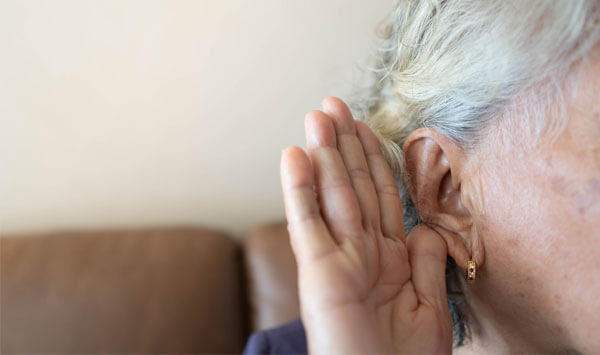
Because the hearing loss begins slowly and is mild at the start, the patient may not notice it at first. Often, the family members first notice the decline in hearing. Typically, the patient can have difficulty understanding conversations in background noise.
If noticed, it is important to consult a general practitioner or otolaryngologist. The otolaryngologist will examine the ear to exclude any other causes of hearing loss and screen for hearing loss. Audiometry is done to recognize the type and severity of hearing loss.
Treatment and rehabilitation:
Presbycusis cannot be treated completely. The most effective tool in presbycusis management is the use of hearing aids. Using hearing aids regularly can improve the patient’s communication and have a positive impact on the quality of life. Hearing aids are available cost-free in many government and trust-run hospitals, and can also be prescribed and purchased in other settings. The hearing aids do not correct the underlying hearing issue, instead they amplify the sounds to audible levels.
It takes practice and patience to learn to use hearing aids. Regular use is recommended for maximum gain of hearing. Various factors like social embarrassment, cost, discomfort, inadequate gain, or intolerance to loud noise can discourage the use of these devices.
The newer devices are smaller, adjustable, and more comfortable to use. Many of the tolerance issues can be dealt with with adequate counselling and support. Learning to adjust the sound amplification requires practice. So, with longer usage, patients become more comfortable with the use of these devices.
