Down syndrome is a genetic condition caused by the presence of an extra copy of chromosome 21, leading to distinctive physical characteristics, developmental delays, and varying degrees of intellectual disability. It affects approximately one in every 700 births worldwide (Parker et al., 2010). While medical advancements and early interventions have significantly improved the quality of life for individuals with Down syndrome, the psychological challenges they face remain complex and multifaceted, influencing not only the individual but also their families and communities.
Psychologically, individuals with Down syndrome often experience a range of emotional and cognitive challenges. Studies indicate that about 30% of individuals with Down syndrome experience depression, while up to 50% face symptoms of anxiety, particularly social anxiety (Dykens, 2007). Cognitive impairments, including delayed speech and memory issues, can lead to frustration and feelings of isolation. Despite these challenges, individuals with Down syndrome often demonstrate remarkable social skills, emotional sensitivity, and a deep capacity for empathy, which strengthens their relationships with others.
Medical evidence reveals that the genetic basis of Down syndrome affects brain structure and function, particularly in areas linked to learning, memory, and emotional regulation. MRI studies have shown that individuals with Down syndrome typically have smaller hippocampal and cerebellar volumes, which contribute to memory deficits and motor coordination issues (Pinter et al., 2001). Furthermore, there is a higher prevalence of early-onset Alzheimer’s disease among individuals with Down syndrome due to the overexpression of the amyloid precursor protein gene on chromosome 21 (Head et al., 2012). Hormonal imbalances and metabolic issues further complicate the emotional and psychological landscape for individuals with Down syndrome.
The psychological impact of Down syndrome extends beyond the individual, affecting the family unit and broader social circles. Parents of children with Down syndrome often experience higher rates of stress, depression, and anxiety due to the demands of caregiving and navigating medical and educational systems (Fidler et al., 2000). Siblings of individuals with Down syndrome may experience a mix of pride and resentment, feeling a heightened sense of responsibility while also grappling with feelings of being overlooked. Social stigma and misconceptions about Down syndrome can also lead to feelings of isolation for both the individual and their family. However, families often report that raising a child with Down syndrome fosters resilience, empathy, and a deepened sense of purpose.
Cultural differences shape the experiences of individuals with Down syndrome and their families. In Western societies, there is growing acceptance and inclusion of individuals with Down syndrome in mainstream education and the workforce. Campaigns promoting neurodiversity have helped reduce stigma and create opportunities for greater societal participation. Conversely, in more conservative cultures, individuals with Down syndrome may face exclusion, limited access to education, and institutionalization. Traditional beliefs and misconceptions about disability can lead to social marginalization and limited opportunities for personal development. However, cultural shifts and advocacy efforts are gradually changing these patterns, fostering greater acceptance and understanding.
There are both pros and cons to the unique psychological profile of individuals with Down syndrome. On the positive side, they often possess exceptional emotional intelligence, forming strong interpersonal bonds and showing high levels of empathy and affection. Their resilience in the face of cognitive and physical challenges reflects an innate strength that inspires those around them. However, limitations in cognitive functioning, communication barriers, and increased vulnerability to mental health issues pose significant challenges that require ongoing support and adaptive strategies.
Treatment options for Down syndrome focus on enhancing cognitive, emotional, and social functioning. Early intervention programs that incorporate speech therapy, occupational therapy, and physical therapy have been shown to improve communication skills and motor coordination (Cuskelly et al., 2008). Behavioral therapies, including Applied Behavior Analysis (ABA), help individuals develop adaptive skills and manage emotional regulation. Medications are sometimes prescribed to manage coexisting conditions such as depression, anxiety, and ADHD. Holistic approaches, including mindfulness practices, music therapy, and social engagement programs, can enhance emotional well-being and strengthen social connections. Education and vocational training programs have also been instrumental in helping individuals with Down syndrome lead more independent and fulfilling lives.
Empowerment for individuals with Down syndrome begins with acceptance, understanding, and advocacy. Creating inclusive spaces in schools, workplaces, and communities helps individuals with Down syndrome feel valued and supported. Educating society about the capabilities and potential of individuals with Down syndrome challenges stereotypes and fosters greater acceptance. Peer support networks, community programs, and public awareness campaigns are essential in building a more inclusive society.
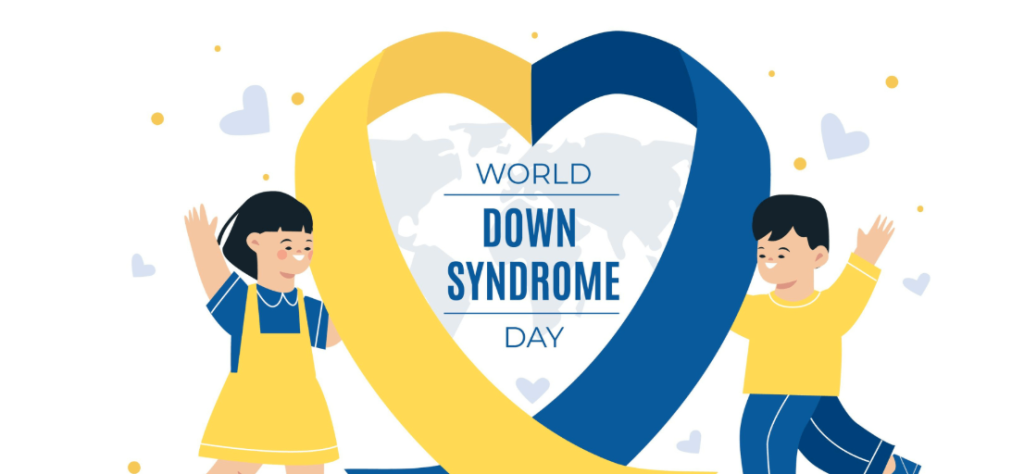
This year, on March 21, we celebrate World Down Syndrome Day—a reminder to embrace and honor the unique contributions of individuals with Down syndrome. Let us spread gratitude toward them for the joy, love, and resilience they bring into the world. Every individual with Down syndrome has a story worth telling and a place within the tapestry of humanity.
References:
Cuskelly, M., & Gunn, P. (2006). Adjustment of children who have a sibling with Down syndrome: Perspectives of mothers, fathers, and children. Journal of Intellectual Disability Research, 50(12), 917-925.
de Graaf, G., Buckley, F., & Skotko, B. G. (2017). Estimation of the number of people with Down syndrome in the United States. Genetics in Medicine, 19(4), 439-447.
Esbensen, A. J. (2016). Health conditions associated with aging and end of life of adults with Down syndrome. American Journal on Intellectual and Developmental Disabilities, 121(2), 87-96.
Fidler, D. J., Hepburn, S. L., & Rogers, S. J. (2006). Early learning and adaptive behavior in toddlers with Down syndrome: Evidence for an emerging behavioral phenotype? Down Syndrome Research and Practice, 9(3), 37-44.
Hill, D. A., & Frith, U. (2003). Understanding autism and related disorders: What has imaging taught us? NeuroImage, 20(1), S21-S27.
Pinter, J. D., Brown, W. E., Eliez, S., & Schmitt, J. E. (2001). Neuroanatomy of Down’s syndrome: A high-resolution MRI study. American Journal of Psychiatry, 158(10), 1659-1665.
Roizen, N. J., & Patterson, D. (2003). Down’s syndrome. Lancet, 361(9365), 1281-1289.
Shakespeare, T., Iezzoni, L. I., & Groce, N. E. (2019). Disability and the training of health professionals. The Lancet, 394(10194), 1835-1837.
Turner, S., Alborz, A., & Gayle, V. (2008). Predictors of academic attainments of young people with Down’s syndrome. Journal of Intellectual Disability Research, 52(5), 380-392.
Wishart, J. G. (2007). Cognitive development in young children with Down syndrome: developmental strengths, developmental weaknesses. International Review of Research in Mental Retardation, 34, 131-170.
