
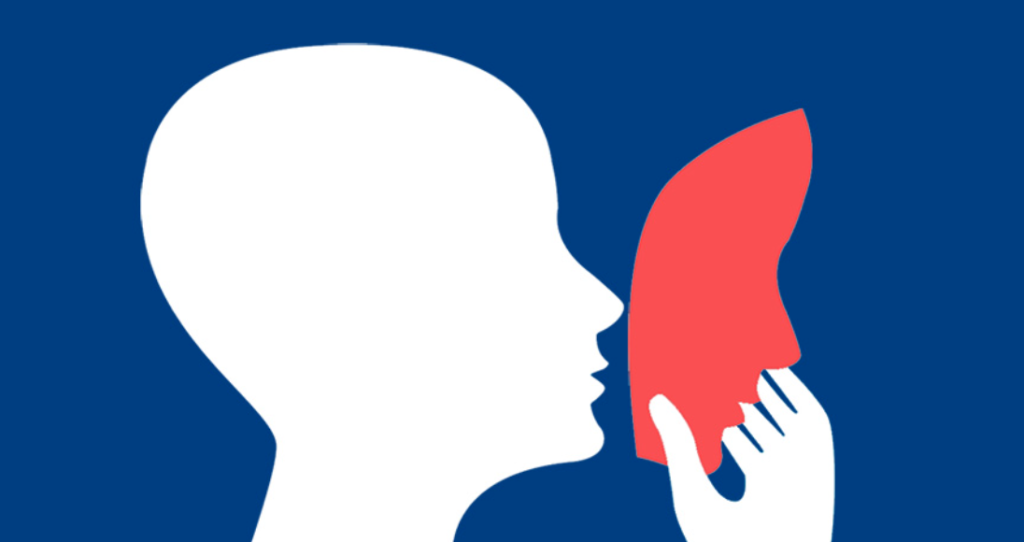
Imposter syndrome is a psychological phenomenon where individuals doubt their abilities, fear being exposed as a fraud, and attribute their successes to external factors like luck rather than their competence. Despite achievements, those struggling with imposter syndrome feel a persistent sense of inadequacy, as though they are merely deceiving others into believing they are capable. This internal battle is not just self-doubt—it can severely impact mental health, relationships, and career growth.
Psychologically, imposter syndrome has been linked to perfectionism, anxiety, and low self-esteem. Clance and Imes (1978) first identified the phenomenon in high-achieving women, though later research found it affects individuals across all demographics. Studies indicate that those with imposter syndrome often exhibit an overactive amygdala, which processes fear and threat perception, leading to heightened stress responses (Bravata et al., 2020). This results in excessive self-criticism, chronic stress, and burnout, as individuals push themselves to meet unrealistic expectations to avoid perceived failure.
Medically, Imposter Syndrome is NOT classified as a formal mental disorder, but its overlap with anxiety and depression suggests a neurobiological basis. Cortisol dysregulation, linked to chronic stress, can exacerbate symptoms, leading to fatigue, sleep disturbances, and increased susceptibility to anxiety disorders (Kolligian & Sternberg, 1991). MRI studies show that people who have low self-esteem and a negative view of themselves may have changed activity in the prefrontal cortex, a part of the brain that controls thinking and decision-making (Vergauwe et al., 2015).
The effects of imposter syndrome are profound, influencing not only the individual but also those around them. On a personal level, it fosters a cycle of self-doubt, perfectionism, and avoidance of new challenges. Individuals may reject opportunities due to the fear of failure, preventing career advancement and personal fulfillment. Professionally, such hesitation can result in workaholism, as people overcompensate to prove their worth, or procrastination, stemming from a fear of falling short. In relationships, partners and friends may struggle to reassure someone who consistently dismisses their accomplishments, leading to frustration and emotional exhaustion. Parents with imposter syndrome may also project their insecurities onto their children, inadvertently passing down feelings of inadequacy.
Despite its challenges, imposter syndrome does have an upside. Individuals who experience it often hold themselves to high standards, which can drive them to achieve excellence. However, the relentless pursuit of perfection can be detrimental to mental well-being if not balanced with self-compassion and realistic self-appraisal.
Treatment for imposter syndrome varies based on severity. Medication isn’t usually the first thing that’s prescribed to treat Imposter Syndrome, but if it happens along with anxiety or depression, SSRIs (Selective Serotonin Reuptake Inhibitors) may be to help control serotonin levels and lessen excessive worry (Stein & Brooks, 2021). However, medication alone does not address the root cognitive distortions that fuel Imposter Syndrome.
Non-medical and holistic approaches focus on rewiring thought patterns and building self-confidence. Cognitive Behavioral Therapy (CBT) is a widely recognized treatment that helps individuals challenge negative thought patterns and develop healthier self-perceptions (Sakulku & Alexander, 2011). Exposure therapy, where individuals gradually confront situations that trigger self-doubt, has also shown effectiveness in reducing avoidance behaviors. Mindfulness practices, such as meditation and journaling, help individuals observe their thoughts without judgment, fostering self-awareness and reducing automatic self-criticism.
Holistic options include lifestyle changes that support mental resilience. Engaging in regular exercise can boost endorphins and improve self-esteem. A diet rich in omega-3 fatty acids, magnesium, and vitamin B12 may aid in brain function and emotional stability. Social support, whether through mentorship, peer groups, or community engagement, can provide validation and reduce feelings of isolation. Creative outlets such as painting, writing, or playing music can also serve as powerful tools for self-expression and confidence-building.
Current research on imposter syndrome is exploring its intersection with neuroplasticity, or the brain’s ability to rewire itself. New research shows that self-affirmation and visualization exercises may help strengthen the brain pathways that control confidence and self-worth (Cokley et al., 2015). Additionally, research in positive psychology emphasizes the role of gratitude and self-compassion in combating feelings of inadequacy, reinforcing the idea that self-worth is not solely defined by achievements but by intrinsic value.
Real-life examples highlight the pervasiveness of imposter syndrome. A highly successful entrepreneur may constantly feel undeserving of their success, fearing that one mistake will expose their incompetence. A medical student, despite excelling academically, may believe they are merely “fooling” their professors and peers. Even celebrities and public figures have admitted to struggling with feelings of fraudulence, despite external validation. These experiences reinforce the idea that imposter syndrome is not a reflection of true ability but rather a distorted perception of self-worth.
Overcoming imposter syndrome requires intentional effort, self-awareness, and practice. Reframing thoughts, embracing imperfection, and celebrating progress rather than perfection are key steps. Seeking professional guidance through therapy, coaching, or support groups can provide structured strategies for managing self-doubt. If Imposter Syndrome is holding you back, consider booking a session with me at MedAlien to explore personalized approaches to rebuilding confidence and overcoming self-sabotage. Alternatively, explore books, online resources, or therapy methods that resonate with you—your achievements are real, and so is your potential.
References:
- Bravata, D. M., Watts, S. A., Keefer, A. L., Madhusudhan, D. K., Taylor, K. T., Clark, D. M., … & Hagg, H. K. (2020). Prevalence, predictors, and treatment of Impostor Syndrome: A systematic review. Journal of General Internal Medicine, 35(4), 1252-1275.
- Clance, P. R., & Imes, S. A. (1978). The Imposter Phenomenon in high achieving women: Dynamics and therapeutic intervention. Psychotherapy: Theory, Research & Practice, 15(3), 241.
- Cokley, K., Smith, L., Bernard, D., Hurst, A., & Jackson, S. (2015). Impostor feelings and academic dishonesty: Exploring the connection among achievement motivation, gender role orientation, and racial identity. Personality and Individual Differences, 86, 19-24.
- Kolligian, J., & Sternberg, R. J. (1991). Perceived fraudulence in young adults: Is there an Imposter Syndrome? Journal of Personality Assessment, 56(2), 308-326.
- Sakulku, J., & Alexander, J. (2011). The Impostor Phenomenon. International Journal of Behavioral Science, 6(1), 73-92.
- Stein, M. B., & Brooks, R. (2021). Efficacy of selective serotonin reuptake inhibitors in the treatment of anxiety and depressive disorders. New England Journal of Medicine, 385(9), 876-883.
- Vergauwe, J., Wille, B., Feys, M., De Fruyt, F., & Anseel, F. (2015). Fear of being exposed: The trait-relatedness of the Impostor Phenomenon and its relevance in the work context. Journal of Business and Psychology, 30(3), 565-581.
