
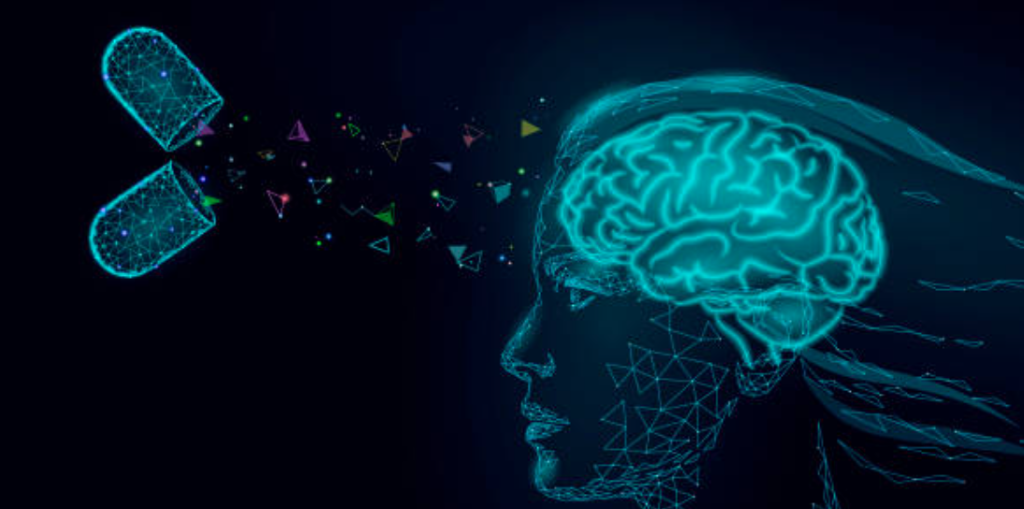
The human brain is a delicate symphony of neurotransmitters, electrical impulses, and biochemical feedback loops, all working in harmony to regulate cognition, mood, and behavior. When this balance is disrupted—whether due to attention disorders, depression, chronic pain, or substance dependence—stimulants and non-stimulants emerge as powerful tools to restore order. Yet, while stimulants promise a surge in mental clarity and motivation, non-stimulants offer a quieter, more sustained approach to healing. The debate is not about which is superior, but about which aligns best with individual neurological needs.
Stimulants such as amphetamines (e.g., Adderall) and methylphenidate (e.g., Ritalin) primarily target the dopamine and norepinephrine systems, increasing their availability in the brain. This leads to enhanced attention, impulse control, and motivation, making stimulants the frontline pharmacological treatment for ADHD (Biederman & Spencer, 2008). These drugs essentially mimic the brain’s natural response to rewarding stimuli, reinforcing focus and task persistence.
In cases of depression, stimulants are sometimes prescribed as an adjunct to antidepressants, particularly for individuals experiencing profound fatigue, anhedonia, or treatment-resistant symptoms (Candy et al., 2008). Their ability to quickly elevate mood and energy can provide immediate relief, but their long-term effects on neuroplasticity remain an area of active research.
Substance use disorders present another dimension where stimulants play a paradoxical role. While stimulant abuse is common, controlled stimulant therapy can actually assist in harm reduction strategies. Medications like modafinil have been explored for treating cocaine dependence, as they modulate dopamine without the same addictive potential (Kelley et al., 2013).
The Case for Non-Stimulants: Slow and Steady Neuromodulation
Non-stimulant medications, such as atomoxetine (Strattera) and guanfacine, work differently. Rather than flooding the brain with dopamine, they gradually adjust neurotransmitter levels, leading to a more sustained improvement in attention and emotional regulation (Michelson et al., 2001). This makes them particularly useful for individuals who do not tolerate stimulants well or who have conditions like anxiety, where excessive dopamine release could be counterproductive.
In depression treatment, non-stimulant approaches include selective norepinephrine reuptake inhibitors (SNRIs) such as duloxetine, which enhance both mood and physical energy without the highs and crashes associated with stimulants (Montgomery, 2008). Similarly, for managing substance withdrawal, non-stimulants like bupropion have shown efficacy by stabilizing dopamine without creating a euphoric effect that could lead to misuse (Dunner, 2001).
Psychosomatic pain disorders further highlight the importance of non-stimulants. Chronic pain is deeply tied to the brain’s perception of distress, and non-stimulants such as tricyclic antidepressants (e.g., amitriptyline) or gabapentinoids help by reducing neural hyperactivity without triggering dependence (Baliki & Apkarian, 2015).
Stimulants offer rapid symptom relief, making them ideal for conditions requiring immediate cognitive and emotional support. Their ability to increase focus, drive, and resilience has helped millions manage ADHD and treatment-resistant depression. However, they come with risks: dependence, increased heart rate, sleep disturbances, and potential long-term tolerance.
Non-stimulants provide a more stable and often safer alternative, with fewer concerns about abuse or withdrawal. Yet, their effects take longer to manifest, requiring patience and consistency. For those seeking immediate relief, this delayed onset can be frustrating.
While pharmacological interventions—both stimulant and non-stimulant—play a critical role in mental health, they are most effective when paired with behavioral strategies, therapy, and lifestyle adjustments. Practices such as mindfulness, cognitive behavioral therapy, and nutrition-based interventions can complement medication, helping individuals find balance beyond the binary of stimulation or sedation.
Understanding the brain’s unique needs is essential in determining the best approach. If you’re navigating these choices, book a session with us at MedAlien or follow us on Instagram for more insights into mental wellness. The key is not just to seek stimulation or stillness, but to cultivate awareness of what your brain truly needs.
References
- Baliki, M. N., & Apkarian, A. V. (2015). Nociception, pain, negative moods, and behavior selection. Neuron, 87(3), 474-491.
- Biederman, J., & Spencer, T. J. (2008). Attention-deficit/hyperactivity disorder (ADHD) as a noradrenergic disorder. Biological Psychiatry, 57(11), 1367-1374.
- Candy, M., Jones, L., Williams, R., Tookman, A., & King, M. (2008). Psychostimulants for depression. Cochrane Database of Systematic Reviews, 4, CD006722.
- Dunner, D. L. (2001). Bupropion: A non-serotonergic antidepressant. Journal of Clinical Psychiatry, 62(Suppl 3), 22-25.
- Kelley, B. J., Yeager, K. R., Pepper, T. H., Beversdorf, D. Q., & Davis, S. N. (2013). Modafinil as a treatment for cocaine dependence. Current Psychiatry Reports, 15(4), 355.
- Michelson, D., Faries, D., Wernicke, J., Kelsey, D., Kendrick, K., & Spencer, T. (2001). Atomoxetine in the treatment of children and adolescents with attention-deficit/hyperactivity disorder. Pediatrics, 108(5), E83.
- Montgomery, S. A. (2008). Selective serotonin and noradrenaline reuptake inhibitors: Are they all the same? Journal of Psychopharmacology, 22(1), 71-80.
