
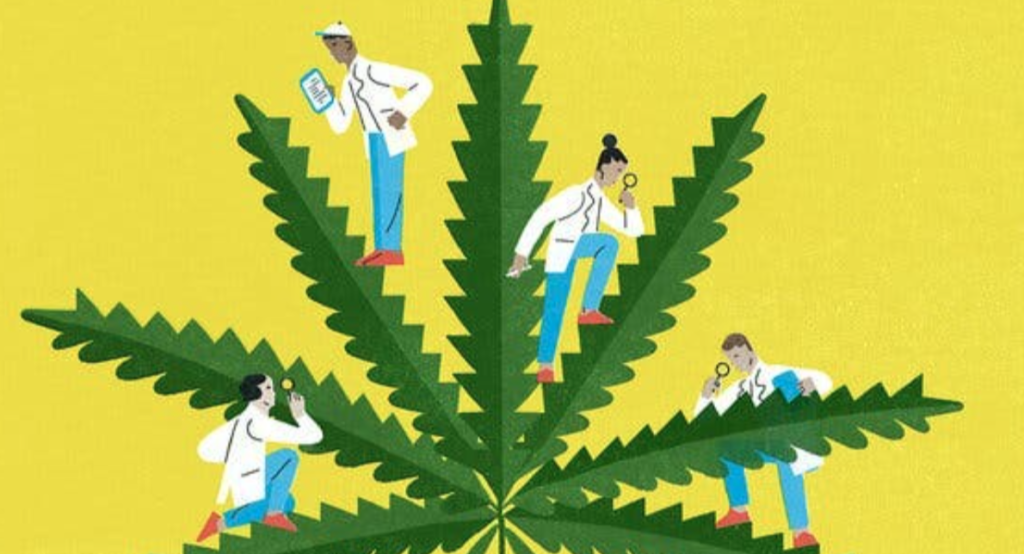
Cannabis has long been a topic of debate, but its healing properties continue to gain recognition across the world. As more research emerges and legalization expands, cannabis is becoming a trusted ally in managing pain, anxiety, sleep disorders, and chronic conditions. However, like any remedy, its benefits are best experienced in moderation. This article delves into the advantages and concerns surrounding cannabis use, highlighting the importance of balance and personalization in embracing its gifts.
Cannabis has been a gentle companion in my wellness journey. I’ve always sought holistic alternatives, and through trial and error and intuition, I discovered how cannabis enhances my well-being in ways that feel natural and sustainable. While I don’t smoke it often, I adore edibles for their slow, steady effect—allowing me to relax, manage stress, and sink into creative or meditative states. CBD-infused creams have become my go-to for muscle tension and menstrual cramps, providing relief without the need for pharmaceuticals. For me, cannabis is not an escape; it is an enhancer, a tool that, when used with intention, supports my mental and physical health.
The science behind cannabis is fascinating. At its core, cannabis is rich in cannabinoids, with tetrahydrocannabinol (THC) and cannabidiol (CBD) being the most well-known. These compounds interact with the body’s endocannabinoid system, a delicate network that influences mood, pain regulation, appetite, and sleep cycles.
For those experiencing chronic pain, cannabis has proven to be a powerful alternative to traditional painkillers. A study published in the Journal of Pain revealed its effectiveness in alleviating neuropathic pain. Anxiety and stress are no strangers to many balancing careers, relationships, and self-care, and CBD has shown remarkable efficacy in reducing social anxiety, as detailed in the Journal of Clinical Psychology. Sleep disorders, particularly those caused by hormonal fluctuations or PTSD, can also find relief through cannabis, as noted in research published in the Sleep Journal.
For parents seeking alternatives for their children with epilepsy, the FDA-approved Epidiolex, derived from cannabis, has transformed lives by reducing seizures in severe conditions like Dravet syndrome and Lennox-Gastaut syndrome. Additionally, those struggling with inflammation-related disorders, including Crohn’s disease and rheumatoid arthritis, may benefit from the anti-inflammatory properties of cannabis. Emerging research also suggests that cannabis plays a role in slowing the progression of neurodegenerative diseases like Alzheimer’s and Parkinson’s, providing hope for those caring for aging loved ones.
Embracing the Benefits of Cannabis
Cannabis presents a natural alternative to pharmaceuticals, offering relief for various conditions without the severe side effects of opioids or benzodiazepines. It nurtures mental health, particularly for those dealing with anxiety, depression, or PTSD, and can be an effective companion for stress relief. Those struggling with insomnia have also found solace in cannabis, as it supports better sleep quality and relaxation. Unlike alcohol or opioids, cannabis carries minimal risk of overdose, making it a safer choice for wellness and healing.
Beyond physical and mental health, cannabis has also found its place in creative and spiritual practices. Many report enhanced mindfulness, introspection, and an increased sense of connection to themselves and the world around them when using cannabis intentionally. Whether through journaling, meditation, or artistic expression, cannabis can serve as a catalyst for deeper self-exploration and emotional release.
Acknowledging the Risks
Despite its many benefits, cannabis is not without its challenges. High-THC strains can temporarily affect short-term memory and concentration, which may be particularly concerning for younger users and those with demanding cognitive tasks. While not as addictive as other substances, some individuals may develop a psychological dependence on cannabis as a coping mechanism.
For those who prefer smoking cannabis, it is important to recognize its impact on lung health, as frequent use can lead to respiratory irritation. Mental health concerns also warrant attention, as excessive THC consumption has been linked to increased anxiety and paranoia, particularly in those predisposed to psychotic disorders. Another significant factor to consider is legality, as cannabis regulations vary widely and access remains limited in some regions.
The key to integrating cannabis into a wellness routine lies in moderation and self-awareness. Finding the right strain is essential, as high-CBD and balanced THC/CBD options offer therapeutic benefits without overwhelming psychoactive effects. Choosing alternative consumption methods such as edibles, tinctures, and vaporizers can minimize respiratory risks.
Starting with a low dose allows the body to adjust, preventing discomfort or unwanted side effects. Listening to the body’s cues is essential, as everyone’s experience with cannabis is unique. Consulting a healthcare professional or a professional cannabis salesperson representative ensures that cannabis use aligns with individual health needs and wellness goals. Additionally, setting intentions before use—whether for relaxation, pain relief, or self-exploration—can enhance the experience and prevent misuse.ff
Cannabis, when used with care and intention, is a profound ally in health and well-being. It offers a gentle yet effective alternative for pain relief, mental health support, and overall balance. Embracing our natural cycles and rhythms means finding healing methods that resonate with our unique needs. With mindful consumption and informed choices, cannabis can be a powerful tool in a holistic wellness journey, allowing us to reclaim our health and inner harmony.
REFRENCES:
- Aso, E., & Ferrer, I. (2014). Cannabinoids for treatment of Alzheimer’s disease: Moving toward the clinic. Frontiers in Pharmacology, 5, 37.
- Babson, K. A., Sottile, J., & Morabito, D. (2017). Cannabis, cannabinoids, and sleep: A review of the literature. Current Psychiatry Reports, 19(4), 23.
- Blessing, E. M., Steenkamp, M. M., Manzanares, J., & Marmar, C. R. (2015). Cannabidiol as a potential treatment for anxiety disorders. Neurotherapeutics, 12(4), 825-836.
- Devinsky, O., Cross, J. H., Laux, L., Marsh, E., Miller, I., Nabbout, R.,… & Thiele, E. A. (2018). Trial of cannabidiol for drug-resistant seizures in the Dravet syndrome. New England Journal of Medicine, 378(20), 1888-1897.
- Di Forti, M., Morgan, C., Dazzan, P., Pariante, C., Mondelli, V., Marques, T. R.,… & Murray, R. M. (2019). High-potency cannabis and the risk of psychosis. Lancet Psychiatry, 6(5), 427-436.
- Nagarkatti, P., Pandey, R., Rieder, S. A., Hegde, V. L., & Nagarkatti, M. (2009). Cannabinoids as novel anti-inflammatory drugs. Future Medicinal Chemistry, 1(7), 1333-1349.
- Russo, E. B. (2018). Cannabis and pain. Pain Medicine, 19(2), 227-229. Tashkin, D. P. (2013). Effects of marijuana smoking on the lung. Annals of the American Thoracic Society, 10(3), 239-247.
- Volkow, N. D., Baler, R. D., Compton, W. M., & Weiss, S. R. B. (2016). Adverse health effects of marijuana use. New England Journal of Medicine, 370(23), 2219-2227.
