
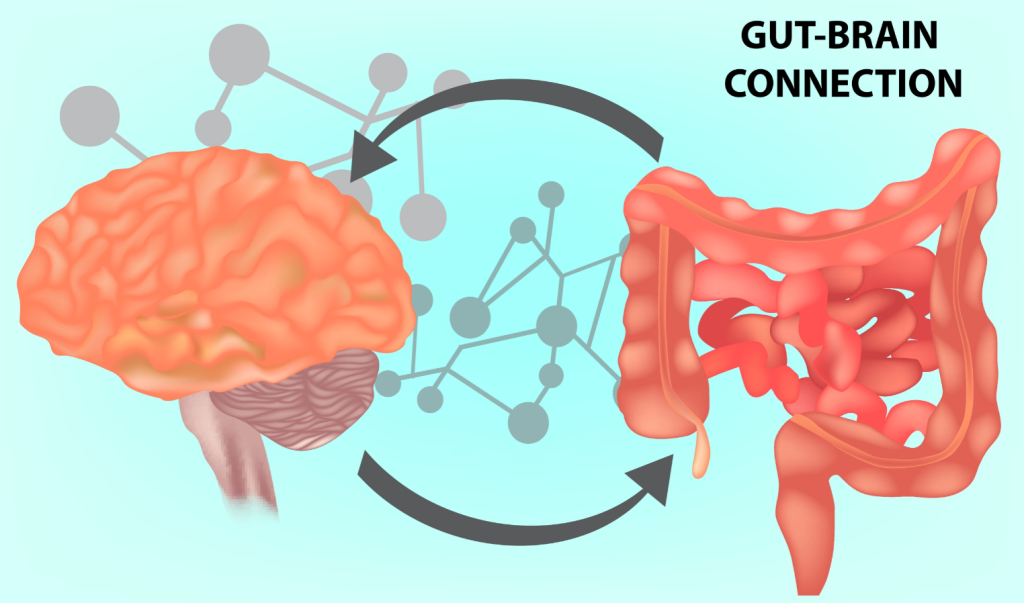
The gut-brain connection, once regarded as a niche field of study, has emerged as a cornerstone of modern medicine, revealing profound implications for both mental and physical health. This intricate relationship between the central nervous system (CNS) and the gastrointestinal tract, often referred to as the gut-brain axis, operates through a bidirectional network of neural, hormonal, and immunological signals. Advances in microbiology, neuroscience, and psychology have provided remarkable insights into how the gut influences the brain and vice versa, revolutionizing our understanding of conditions ranging from depression to irritable bowel syndrome (IBS).
The Gut-Brain Axis: A Bidirectional Network
The gut-brain axis encompasses the enteric nervous system (ENS), the central nervous system (CNS), and their interactions through the vagus nerve, immune pathways, and the hypothalamic-pituitary-adrenal (HPA) axis. The ENS, often dubbed the “second brain,” comprises over 100 million neurons embedded in the gut lining, allowing it to operate independently of the CNS. However, its communication with the brain is crucial for maintaining homeostasis.
Central to this dialogue are gut microbiota—trillions of microorganisms residing in the gastrointestinal tract. These microbes influence neural development, immune function, and behavior by producing neurotransmitters, such as serotonin and gamma-aminobutyric acid (GABA), and modulating inflammation. Approximately 90% of the body’s serotonin is synthesized in the gut, underscoring the importance of gut health in regulating mood and cognition (Mayer et al., 2015).
In recent years, metagenomics and metabolomics have advanced our understanding of the gut microbiome. These technologies enable researchers to identify microbial species, map their genes, and analyze their metabolic functions. Studies reveal that a diverse and balanced microbiome supports mental health, while dysbiosis—an imbalance in gut bacteria—has been linked to conditions such as anxiety, depression, and autism spectrum disorders (Clarke et al., 2013).
Research has also shed light on the role of short-chain fatty acids (SCFAs), metabolites produced by microbial fermentation of dietary fiber. SCFAs, such as butyrate, acetate, and propionate exert anti-inflammatory effects, maintain gut barrier integrity, and influence brain function. Animal studies demonstrate that SCFAs can mitigate stress-induced behaviors, highlighting their therapeutic potential (Cryan et al., 2019).
The vagus nerve is a primary conduit for gut-brain communication. It transmits sensory information from the gut to the brain and modulates parasympathetic nervous system activity. Stimulation of the vagus nerve has emerged as a promising treatment for neuropsychiatric disorders. Clinical trials suggest that vagus nerve stimulation (VNS) can alleviate symptoms of treatment-resistant depression and epilepsy, offering a non-invasive approach to harnessing the gut-brain axis (Kovacic et al., 2020).
The relationship between gut health and mental health has gained significant attention. Patients with depression often exhibit altered gut microbiota composition, characterized by reduced microbial diversity. Probiotics, or “psychobiotics,” are being investigated as potential treatments for depression and anxiety. A randomized controlled trial found that supplementation with specific probiotic strains reduced depressive symptoms and improved quality of life (Steenbergen et al., 2015).
Additionally, the gut-brain axis is implicated in stress responses. Chronic stress disrupts gut microbiota, increases intestinal permeability (“leaky gut”), and activates the HPA axis, leading to systemic inflammation. These changes can exacerbate mental health disorders, creating a vicious cycle. Targeting the gut through diet, probiotics, and stress management may break this cycle and restore balance.
Diet plays a pivotal role in modulating the gut-brain axis. The Mediterranean diet, rich in fruits, vegetables, whole grains, and omega-3 fatty acids, is associated with lower risks of depression and cognitive decline. Conversely, diets high in processed foods and sugar contribute to dysbiosis and inflammation.
Emerging evidence highlights the benefits of fermented foods, such as yogurt, kimchi, and kefir, in supporting gut health. Fermented foods are natural sources of probiotics and can enhance microbial diversity. Furthermore, regular physical activity has been shown to positively influence the gut microbiome, while mindfulness-based practices, such as meditation, reduce stress-induced changes in gut permeability and inflammation.
Despite significant progress, many questions remain unanswered. Personalized medicine, guided by microbiome profiling, holds promise for tailoring interventions to individual needs. Advances in artificial intelligence and machine learning may facilitate the integration of microbiome data with other biomarkers, providing a holistic view of the gut-brain axis.
Moreover, the role of gut microbiota in neurodegenerative diseases, such as Alzheimer’s and Parkinson’s, is an emerging field of study. Preliminary findings suggest that gut bacteria influence the aggregation of misfolded proteins, offering new avenues for early detection and prevention (Fitzgerald et al., 2019).
The gut-brain connection is a paradigm shift in medicine that connects physical and mental health. Advances in microbiome research, neural stimulation, and lifestyle interventions are unlocking novel strategies to improve health outcomes. As we continue to unravel the complexities of the gut-brain axis, a future of integrative and personalized healthcare beckons.
References
- Clarke, G., Grenham, S., Scully, P., Fitzgerald, P., Moloney, R. D., Shanahan, F., … & Cryan, J. F. (2013). The microbiome-gut-brain axis during early life regulates the hippocampal serotonergic system in a sex-dependent manner. Molecular Psychiatry, 18(6), 666–673.
- Mayer, E. A., Knight, R., Mazmanian, S. K., Cryan, J. F., & Tillisch, K. (2015). Gut microbes and the brain: Paradigm shift in neuroscience. The Journal of Neuroscience, 35(46), 13836–13844.
- Cryan, J. F., O’Riordan, K. J., Sandhu, K., Peterson, V., & Dinan, T. G. (2019). The gut microbiome in neurological disorders. The Lancet Neurology, 18(2), 136–148.
- Kovacic, K., Hainsworth, K., Sood, M. R., & Chelimsky, G. (2020). Neurostimulation in functional gastrointestinal disorders. Pediatric Clinics of North America, 67(2), 309–323.
- Steenbergen, L., Sellaro, R., van Hemert, S., Bosch, J. A., & Colzato, L. S. (2015). A randomized controlled trial to test the effect of multispecies probiotics on cognitive reactivity to sad mood. Brain, Behavior, and Immunity, 48, 258–264.
- Fitzgerald, E., Murphy, S., & Martinson, H. A. (2019). Alpha-synuclein pathology and the role of the microbiota in Parkinson’s disease. Frontiers in Neuroscience, 13, 369.
