
Unveiling the Green Debate: Exploring the Impact of Marijuana
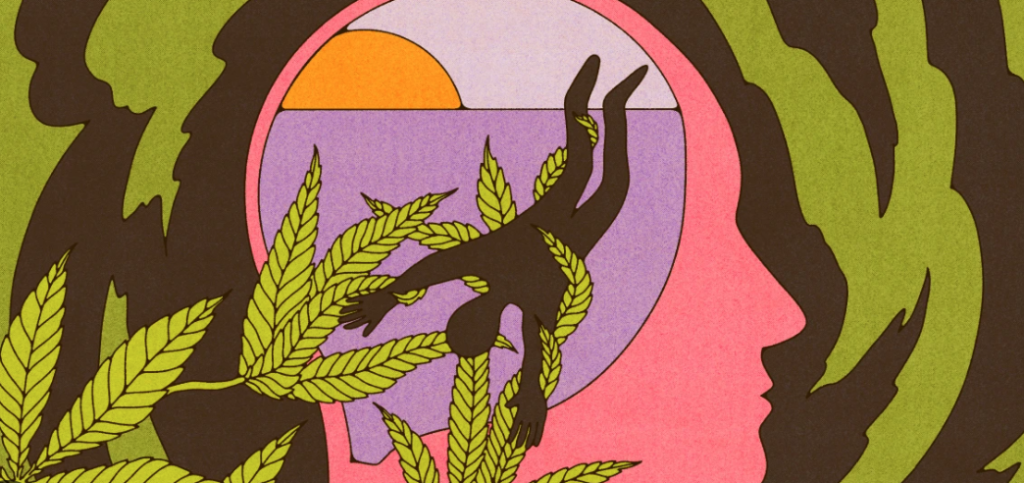
Depression is a complex mental health condition that impacts over 280 million people globally, according to the World Health Organization. Characterized by persistent sadness, lack of energy, difficulty concentrating, and changes in appetite or sleep, it can significantly impair a person’s quality of life. Traditional treatments, including antidepressant medications and psychotherapy, remain the cornerstone of management. However, not all individuals respond to these therapies, leading to a growing interest in alternative and complementary options like medical marijuana.
Marijuana contains a variety of bioactive compounds called cannabinoids, of which tetrahydrocannabinol (THC) and cannabidiol (CBD) are the most studied. These compounds interact with the body’s endocannabinoid system (ECS), a regulatory network responsible for maintaining homeostasis in processes such as mood, stress response, and inflammation.
- THC (tetrahydrocannabinol): The primary psychoactive compound in marijuana. THC can produce euphoria and relaxation in low doses but may lead to anxiety or paranoia at higher doses.
- CBD (Cannabidiol): A non-psychoactive cannabinoid with calming and neuroprotective properties, CBD is particularly noted for its potential to counteract anxiety and support emotional balance.
The ECS consists of two primary receptors:
- CB1 receptors (primarily found in the brain and central nervous system) influence mood, memory, and cognition.
- CB2 receptors (primarily in the immune system) play a role in reducing inflammation.
Through these pathways, cannabinoids may modulate neural activity and inflammation, offering potential benefits for those with depression. One of the most compelling theories about depression is its link to serotonin imbalance. Traditional antidepressants, like SSRIs, work by increasing serotonin availability in the brain. Similarly, CBD has been shown to activate serotonin receptors (specifically 5-HT1A receptors) in preclinical studies. A 2015 study published in Neuropharmacology demonstrated that CBD enhances serotonin signaling in animal models, resulting in improved mood and reduced depressive behaviors.
Chronic stress is a significant contributor to the onset and persistence of depression. Low doses of THC have been found to reduce stress and promote relaxation. A 2018 study in the Journal of Clinical Psychology revealed that THC, when administered in controlled amounts, could lower cortisol levels (the body’s primary stress hormone). However, the study also cautioned that higher doses of THC could have the opposite effect, leading to increased anxiety.
Emerging research suggests that inflammation in the brain may play a role in depression. Cannabinoids have well-documented antiinflammatory properties. According to a 2020 review in Frontiers in Immunology, CBD and THC can reduce the production of pro-inflammatory cytokines, chemicals associated with chronic inflammation. This ability to modulate inflammation could make cannabinoids particularly valuable for individuals whose depression is linked to immune dysfunction.
Depression is often associated with reduced neuroplasticity, the brain’s ability to adapt and form new connections. Studies have shown that CBD promotes neurogenesis (the growth of new neurons) in the hippocampus, a brain region critical for mood regulation. A 2018 study in Molecular Neurobiology provided evidence that CBD could restore hippocampal volume and function in animal models of depression.
Clinical Applications: Evidence from Research and Practice
For individuals with treatment-resistant depression (TRD), where traditional antidepressants and psychotherapy have failed, medical marijuana may offer a new avenue. A 2021 survey in the Journal of Affective Disorders found that 70% of participants with TRD reported significant symptom relief when using cannabis products, particularly those with a higher CBD-to-THC ratio.
Anxiety and poor sleep often coexist with depression, exacerbating its severity. A 2019 clinical trial published in The Permanente Journal observed that 79% of participants experienced reduced anxiety, and 66% reported improved sleep after using CBD. These improvements can indirectly alleviate depressive symptoms, as better sleep and reduced anxiety contribute to overall emotional resilience.
In cases of acute emotional distress, marijuana may provide rapid relief compared to traditional antidepressants, which can take weeks to show effects. A 2020 study published in Cannabis and Cannabinoid Research noted that inhaled marijuana provided immediate improvements in mood for individuals with mild to moderate depressive symptoms. However, the effects were temporary, highlighting the need for long-term strategies.
While the potential benefits of marijuana for depression are promising, it is essential to consider the associated risks. Chronic use of high-THC marijuana can lead to dependence and withdrawal symptoms. Individuals with a history of substance use disorder should approach cannabis therapy cautiously. The therapeutic effects of marijuana are dose-dependent. Low to moderate doses of THC may alleviate symptoms, while higher doses can exacerbate anxiety or depressive symptoms. Similarly, CBD’s efficacy appears to plateau at higher doses, underscoring the importance of personalized dosing.
Responses to marijuana vary widely among individuals based on factors such as genetics, cannabinoid composition, and baseline mental health. For example, some people may experience paranoia or worsened mood with THC, while others may find it uplifting. Cannabinoids can interact with medications, including SSRIs, benzodiazepines, and mood stabilizers. Consultation with a healthcare provider is crucial to avoid adverse effects.
Despite the growing body of evidence, marijuana research is still in its early stages. Many studies rely on animal models or self-reported data, which may not fully capture the complexities of human depression. Additionally, marijuana’s classification as a Schedule I substance in the United States limits large-scale clinical trials. This regulatory barrier has created a gap between anecdotal reports and robust scientific validation.
To better understand marijuana’s role in managing depression, future research should focus on:
- Long-term effects of cannabis use in individuals with depression.
- The efficacy of different cannabinoid ratios (e.g., CBD-dominant vs. THC-dominant).
- Comparative studies between cannabis and traditional antidepressants.
- Personalized treatment protocols based on genetic and metabolic profiles.
Marijuana, particularly formulations rich in CBD, offers a promising avenue for managing depressive symptoms. Its potential to enhance serotonin signaling, reduce inflammation, and promote neurogenesis provides a strong scientific basis for its use as a complementary therapy. However, it is not a universally applicable solution. Careful consideration of dosing, individual variability, and potential risks is essential for safe and effective use.
For individuals considering medical marijuana for depression, collaboration with a knowledgeable healthcare provider is vital. With ongoing research and regulatory progress, marijuana could become a valuable component of a holistic approach to mental health care, offering hope to those struggling with this challenging condition.
References
- Neuropharmacology. (2015). Cannabinoids and serotonin receptor modulation in depressive disorders.
- Journal of Clinical Psychology. (2018). THC’s role in stress and mood regulation.
- Frontiers in Immunology. (2020). Anti-inflammatory potential of cannabinoids in mental health.
- Molecular Neurobiology. (2018). Neurogenesis and CBD’s impact on depression-related neuroplasticity.
- Journal of Affective Disorders. (2021). Survey on cannabis use in treatment-resistant depression.
- The Permanente Journal. (2019). CBD for sleep and anxiety: A clinical review.
