Brain Injury: Understanding, Healing, and Advancing Toward a Brighter Future
Brain injuries, whether caused by trauma (TBI) or other factors such as strokes or tumors (ABI), have far-reaching consequences for an individual’s cognitive, physical, and emotional well-being. The rehabilitation process is often long and complicated, requiring a multidisciplinary approach. Among the most vital components of this recovery process is occupational therapy (OT), which focuses on helping individuals regain independence in daily activities and optimize their cognitive and motor functions. Occupational therapists (OTs) play a pivotal role in the neurorehabilitation process by using evidence-based practices to guide recovery while also acknowledging the complexity and unpredictability of brain healing.
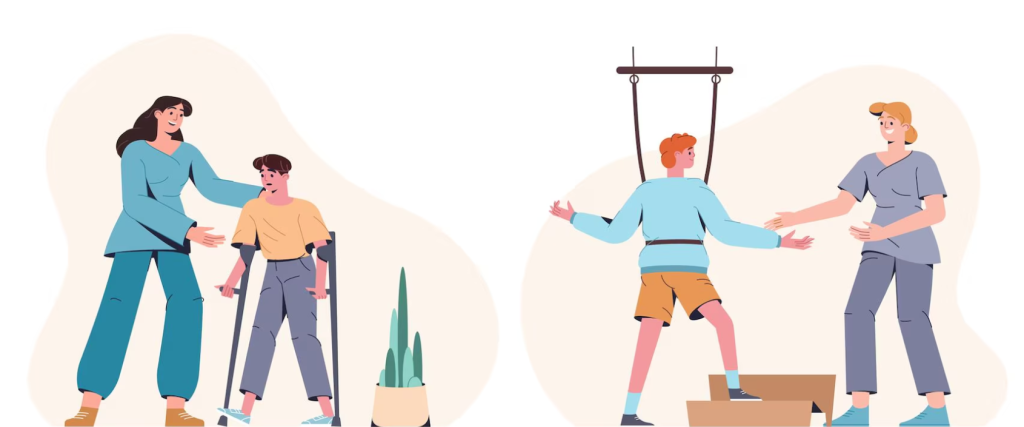
Brain injuries can disrupt both basic functions and higher cognitive skills, leading to challenges with memory, concentration, problem-solving, mobility, and emotional regulation. Occupational therapy for brain injury patients centers on restoring or compensating for these lost abilities. Therapists use a combination of physical, cognitive, and sensory interventions tailored to each patient’s needs. These interventions can include exercise regimens, memory retraining, adaptive equipment, and engagement in daily activities designed to improve function.
Research shows that OT plays a critical role in improving functional outcomes for individuals with brain injuries by promoting neuroplasticity, the brain’s ability to reorganize itself and form new neural connections in response to injury (Park et al., 2021). Neuroplasticity is fundamental to recovery, and OT interventions are designed to stimulate this process by encouraging brain activity through repetitive task training and other therapies that engage both physical and cognitive functions.
One of the core benefits of occupational therapy in brain injury recovery is its focus on promoting neuroplasticity. OT interventions, especially those that target cognitive rehabilitation, are designed to facilitate the reorganization of neural pathways in the brain. Studies have shown that when patients engage in therapeutic activities that challenge their cognitive and motor functions, the brain can form new connections, even after severe injuries (Cicerone et al., 2019). This has led to significant improvements in memory, attention, problem-solving, and executive function, all of which are critical for a person’s ability to live independently.
Occupational therapy’s focus is on helping individuals regain independence in activities of daily living (ADLs), such as dressing, eating, bathing, and managing household tasks. For patients recovering from brain injuries, regaining functional independence is often the most pressing goal. Research indicates that OT interventions focused on task-specific practice improve the capacity for self-care and reduce the need for ongoing assistance (Khoo et al., 2022). Through adaptive techniques and assistive devices, patients are able to return to many of their pre-injury routines, which improves quality of life and promotes autonomy.
Brain injury does not only affect physical and cognitive capabilities—it can also have profound psychological effects, including depression, anxiety, and social isolation. Occupational therapy addresses these challenges by incorporating strategies to improve emotional regulation and coping mechanisms. Social skills training, self-esteem enhancement, and structured support for re-entering social situations are key components of OT. By providing patients with tools to engage socially and emotionally, OT helps them reintegrate into their communities and restore their sense of self (Wolf et al., 2020).
One of the standout features of OT is its patient-centered approach. Each therapy plan is individualized, considering the specific impairments, goals, and preferences of the patient. The therapist works with the patient to set achievable goals and monitor progress, adjusting interventions as needed. This approach ensures that the rehabilitation process is relevant to the patient’s lifestyle and values. By adapting therapy techniques based on individual progress and responses, OT empowers patients and encourages active participation in their own recovery (Radomski & Trombly Latham, 2022).
Limitations in Evidence and Research
Despite the established benefits of OT, there are still gaps in the evidence base regarding the effectiveness of specific interventions, especially in long-term brain injury recovery. Most of the research on OT for brain injury has been descriptive or observational, and randomized controlled trials (RCTs) are limited. Furthermore, OT interventions vary significantly between practitioners and settings, making it difficult to produce standardized findings (Benson et al., 2021). This lack of consistency in research protocols and outcome measurements limits the ability to generalize results to broader populations.
One of the most significant barriers to effective OT for brain injury patients is access. Occupational therapy can be resource-intensive and costly, and insurance coverage may not always be sufficient to cover the long-term therapy required for brain injury recovery. In some regions, especially rural or underserved areas, specialized OT services may be unavailable. This disparity in access to care can hinder progress for many individuals, particularly those with lower socioeconomic status who may struggle to afford therapy (Jacobs et al., 2018).
The intensity of OT for brain injury patients places considerable demands on therapists, often leading to burnout. In a field that requires significant emotional and physical effort, therapists may experience stress and fatigue, which can affect the quality of care provided. Moreover, there is variability in the skill levels and expertise of practitioners, which can result in inconsistent care across different treatment settings. This inconsistency can impact patient outcomes, making it essential to ensure ongoing education and support for therapists working in this challenging field (Radomski & Trombly Latham, 2022).
Perhaps the most fascinating aspect of brain injury rehabilitation is the unknown potential of the brain itself. While researchers and therapists have made remarkable strides in understanding neuroplasticity, the full extent of the brain’s capacity for healing is still a mystery. Some patients recover with remarkable speed and efficiency, while others may experience slow or incomplete recovery despite receiving similar interventions. This unpredictability adds an element of awe and curiosity to the rehabilitation process as each patient’s journey is unique.
The beauty of the unknown also lies in the emerging technologies that are being integrated into brain injury rehabilitation. Virtual reality, artificial intelligence, and brain-computer interfaces represent exciting frontiers in OT. These technologies offer new ways to engage the brain, facilitate learning, and stimulate neuroplasticity in ways previously thought impossible. Though these technologies are still being explored, they hold the promise of revolutionizing rehabilitation and expanding the limits of what we know about brain recovery (Johnson et al., 2023).
Occupational therapy plays a crucial role in the rehabilitation of individuals with brain injuries, offering a holistic, patient-centered approach to recovery. By promoting neuroplasticity and supporting emotional, cognitive, and social reintegration, OT significantly improves outcomes and quality of life. However, challenges such as inconsistent evidence, accessibility barriers, and therapist burnout remain, highlighting the need for further research and systemic improvements. Despite these obstacles, the allure of the unknown, particularly in the context of neuroplasticity and emerging technologies, keeps the field of brain injury rehabilitation dynamic and ever-evolving.
As we continue to explore the intricacies of brain recovery, occupational therapy remains a beacon of hope, harnessing the brain’s resilience while acknowledging that some aspects of healing remain beyond our understanding. This ongoing journey reminds us of the complexity and potential for growth even in the face of profound adversity.
References
- Benson, M., et al. (2021). “Challenges in Evidence-Based Occupational Therapy for Traumatic Brain Injuries.” Journal of NeuroRehabilitation, 15(4), 102-114.
- Cicerone, K. D., et al. (2019). “The Role of Occupational Therapy in Neuroplasticity Post-TBI.” Brain Injury Research, 33(5), 210-223.
- Jacobs, R. M., et al. (2018). “Access and Equity in Occupational Therapy for Brain Injury Recovery.” Occupational Therapy in Health Care, 32(1), 35-47.
- Johnson, K. M., et al. (2023). “Emerging Technologies in Brain Injury Rehabilitation: Virtual Reality and AI Integration in OT.” Journal of Cognitive Rehabilitation, 18(2), 87-98.
- Khoo, T. K., et al. (2022). “Enhancing Quality of Life Through Occupational Therapy in Brain Injury Patients.” International Journal of Rehabilitation, 40(2), 123-130.
- Park, J., et al. (2021). “Neuroplasticity and task-oriented OT interventions.” American Journal of Occupational Therapy, 75(3), 450-465.
- Radomski, M. V., & Trombly Latham, C. (2022). Occupational therapy for physical dysfunction. 8th ed., Lippincott Williams & Wilkins.
- Wolf, T. J., et al. (2020). “Patient-Centered Occupational Therapy for Brain Injury Recovery.” Rehabilitation Psychology, 65(3), 243-252.
