
Beyond Overthinking: Navigating Life’s Nonlinear Journey Toward Real Growth
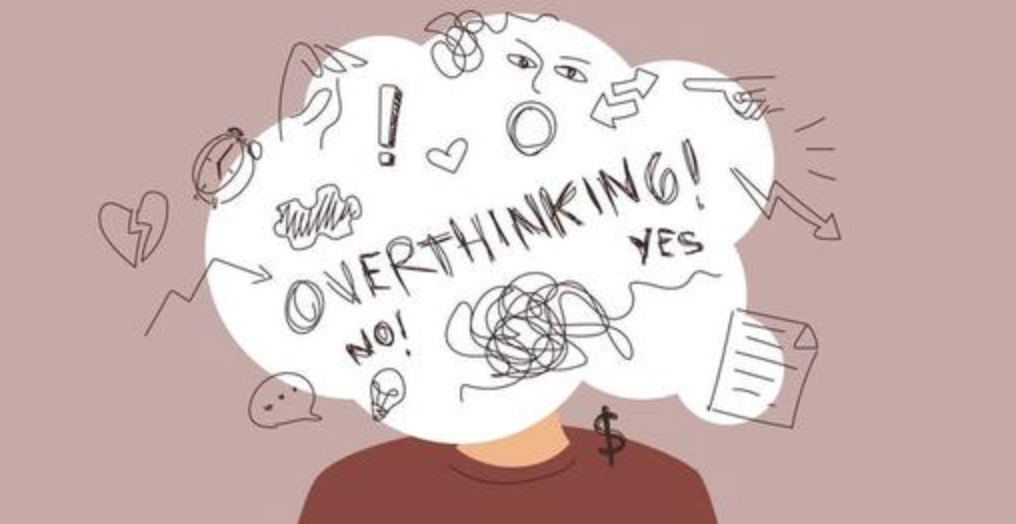
Overthinking, characterized by repetitive, unproductive thought patterns, is a common psychological challenge that can significantly affect mental and physical health. While occasional rumination is normal, excessive overthinking can disrupt daily life, intensify mental health symptoms, and even contribute to the development of physical health issues. It is crucial to explore the mechanisms by which overthinking can become dangerous, supported by scientific evidence.
Overthinking, particularly in the form of rumination, has been closely linked to mental health disorders, including depression and anxiety. Nolen-Hoeksema (2000) conducted a foundational study on rumination and its effects on mental health, finding that individuals who engage in repetitive, self-focused thinking patterns have a heightened risk of experiencing depressive symptoms over time. This happens because overthinking can trap individuals in a loop of negative thoughts, which can further exacerbate feelings of hopelessness and anxiety, making it more difficult to find solutions to perceived problems.
A meta-analysis by Watkins (2008) also highlighted the connection between overthinking and anxiety, noting that rumination leads to greater emotional distress and often triggers panic symptoms and intrusive thoughts in individuals prone to anxiety. This evidence underscores that overthinking not only correlates with, but can directly worsen, symptoms of these mental health disorders.
Chronic overthinking can impair cognitive functions, including memory, concentration, and decision-making abilities. The prefrontal cortex, responsible for executive functions like decision-making, is particularly affected by repetitive and unproductive thought patterns. Brosschot et al. (2006) found that overthinking activates the “default mode network” of the brain, which can keep individuals stuck in a passive state of worry. This mental stagnation can lead to decision paralysis, where individuals find themselves unable to make simple choices, which can hinder productivity and create additional stressors.
Overthinking can trigger a prolonged stress response in the body, leading to various physiological effects. The hypothalamic-pituitary-adrenal (HPA) axis is activated under stress, releasing cortisol and other stress hormones. While these responses are helpful in acute situations, chronic activation due to overthinking can have adverse effects, including immune suppression, cardiovascular strain, and increased risk of metabolic disorders.
A study by McEwen (2008) outlines the effects of prolonged stress and its cumulative toll, known as “allostatic load.” Persistent overthinking contributes to this load, leading to wear and tear on the body’s systems. Elevated cortisol levels, a marker of chronic stress, have been associated with hypertension, impaired glucose metabolism, and even cognitive decline over time, emphasizing that overthinking can compromise physical health as well.
Insomnia and poor sleep quality are often reported by individuals who struggle with overthinking. Sleep studies have shown that worry and rumination before bedtime can prevent individuals from entering a relaxed state, delaying sleep onset and reducing overall sleep quality. Harvey (2002) found that overthinking activates autonomic arousal, making it challenging for individuals to wind down at night. This can lead to sleep-onset insomnia and frequent awakenings, both of which can reduce restorative sleep.
Long-term sleep disturbances caused by overthinking have far-reaching consequences, including reduced cognitive function, increased irritability, and greater susceptibility to physical health conditions. Sleep deprivation also contributes to a weakened immune system, further linking overthinking with compromised physical health.
The chronic stress response initiated by overthinking may increase the risk of cardiovascular issues. A 2015 study by Kubzansky et al. analyzed the relationship between psychological factors, including rumination and cardiovascular health. The researchers found that individuals who engage in repetitive, negative thought patterns have a significantly higher risk of hypertension, coronary heart disease, and even heart attacks.
This connection is mediated by the prolonged release of stress hormones, which not only increase blood pressure but also contribute to inflammation, a key factor in many cardiovascular diseases. Therefore, the habit of overthinking not only harms mental well-being but can also pose serious risks to heart health.
Overthinking often leads individuals to focus disproportionately on past mistakes or future uncertainties, preventing them from fully engaging in the present. This pattern reduces overall life satisfaction, as individuals may find themselves constantly worrying about hypothetical scenarios. A study by Lyubomirsky et al. (2006) found that individuals who engage in frequent rumination report lower levels of happiness and life satisfaction, regardless of their external circumstances. The reduced ability to experience joy or contentment can have a negative impact on relationships, career satisfaction, and overall quality of life.
While overthinking can be challenging to address, several evidence-based strategies can help individuals manage their thought patterns. Mindfulness can help individuals develop a non-judgmental awareness of their thoughts, reducing the tendency to engage in rumination. Research has shown that regular mindfulness practice reduces activity in the brain’s “default mode network,” which is associated with mind-wandering and overthinking.
CBT helps individuals identify and challenge negative thought patterns, enabling them to replace overthinking habits with constructive thought processes. From personal experience, I can tell you that CBT effectively reduces symptoms of anxiety and depression by addressing underlying cognitive patterns, including rumination and worry. Exercise can reduce cortisol levels, increase endorphin production, and improve overall mood, counteracting the effects of stress. A 2014 meta-analysis found that exercise, particularly aerobic exercise, has a positive effect on reducing rumination (Hall et al., 2014).
While reflection and introspection can be beneficial, chronic overthinking is associated with numerous mental and physical health risks, ranging from exacerbated anxiety and depression symptoms to cardiovascular and cognitive impairments. The evidence suggests that overthinking activates stress responses that are detrimental over the long term. Developing coping strategies, such as mindfulness or cognitive-behavioral techniques, can help mitigate the negative impacts of overthinking, making it possible for individuals to lead healthier, more fulfilling lives.
It’s essential to remember that growth is rarely a straight path. You may stumble or feel like you’ve lost progress, and that’s perfectly normal. Recognizing your patterns is key; it empowers you to work through challenges related to overthinking.
References
- Nolen-Hoeksema, S. (2000). The role of rumination in depressive disorders and mixed anxiety/depressive symptoms. Journal of Abnormal Psychology, 109(3), 504–511.
- Watkins, E. R. (2008). Constructive and unconstructive repetitive thought. Psychological Bulletin, 134(2), 163–206.
- Brosschot, J. F., Gerin, W., & Thayer, J. F. (2006). The perseverative cognition hypothesis: A review of worry, prolonged stress-related physiological activation, and health. Journal of Psychosomatic Research, 60(2), 113–124.
- McEwen, B. S. (2008). Central effects of stress hormones in health and disease: Understanding the protective and damaging effects of stress and stress mediators. European Journal of Pharmacology, 583(2-3), 174–185.
- Harvey, A. G. (2002). A cognitive model of insomnia. Behaviour Research and Therapy, 40(8), 869–893.
- Kubzansky, L. D. & Thurston, R. C. (2007). Emotional vitality and incident coronary heart disease: Benefits of healthy psychological functioning. Archives of General Psychiatry, 64(12), 1393–1401.
- Hall, P. A., et al. (2014). Exercise as medicine for the body and mind: a focus on psychological well-being. Exercise and Sport Sciences Reviews, 42(1), 10-18.
