
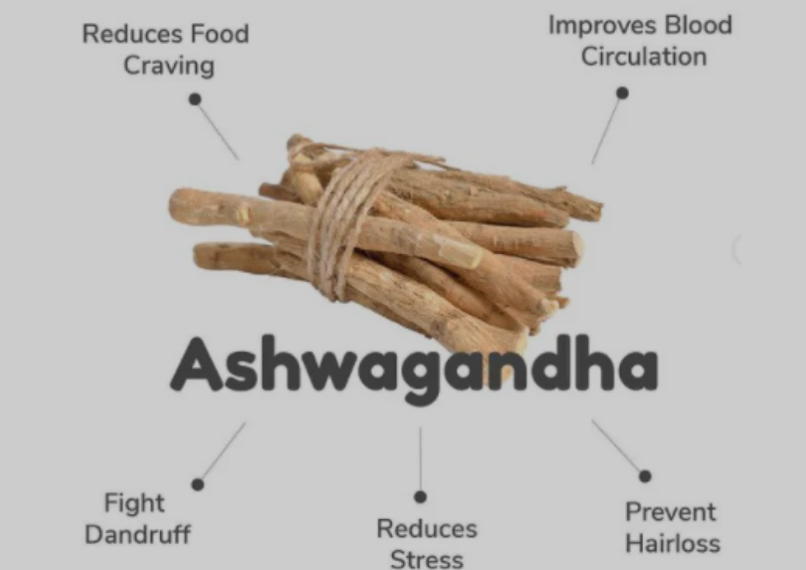
Ashwagandha (Withania somnifera), also known as Indian ginseng or winter cherry, is one of the known herbs within Ayurvedic medicine. As someone who navigates the medical world with nutrition and has encountered the challenges of managing conditions like PCOS and stress in patients, Ashwagandha has become a valuable tool to promote balance and healing within ourselves.
It has been part of Ayurvedic medicine for over 3000 years, due to its adaptogenic properties. These properties help manage stress, increase energy levels, and sharpen focus. When you take Ashwagandha supplements for more than 90 days, consistently, we start to see positive impacts on conditions like PCOS and chronic stress.
In recent years, Ashwagandha has garnered significant attention in the scientific community. Numerous studies have investigated its potential health benefits, focusing on its adaptogenic, anti-inflammatory, and neuroprotective properties.
Ashwagandha is classified as an adaptogen, meaning it helps the body respond to stress more effectively. In the context of PCOS, a condition often exacerbated by stress and hormonal imbalances, I’ve seen how this herb plays a pivotal role in improving patients’ stress resilience. One study in the Journal of the American Nutraceutical Association highlighted how participants taking Ashwagandha extract reported significant reductions in stress and anxiety compared to a placebo group. For my patients, this translates to more balanced cortisol levels and a more manageable symptom load, especially when stress is a key trigger for their condition.
PCOS often presents with systemic inflammation, which further disrupts hormonal harmony. Ashwagandha’s bioactive compounds, such as withanolides, offer anti-inflammatory and antioxidant effects that directly benefit those dealing with this condition. Research published in the Journal of Clinical Psychopharmacology showed reductions in C-reactive protein (CRP) levels, a marker of inflammation, in individuals under chronic stress. This not only helps manage the physical toll of stress but also alleviates symptoms that are commonly seen in women with PCOS, such as insulin resistance and fatigue.
From a broader perspective, Ashwagandha’s neuroprotective effects are also promising, particularly in managing cognitive stress and enhancing overall mental clarity. With PCOS, brain fog and cognitive fatigue are common complaints, often linked to hormonal imbalance. Research from phytotherapy research has shown that Ashwagandha extract can enhance memory and cognitive function, suggesting it might help protect against the cognitive decline associated with chronic stress and hormonal disorders.
Ayurveda approaches health by considering the harmony of mind, body, and spirit, and Ashwagandha fits perfectly into this holistic model. In my practice, I’ve noticed that integrating both modern and Ayurvedic approaches leads to more well-rounded health outcomes, especially in managing stress and hormonal health.
According to Ayurveda, PCOS can be seen as a condition where doshas, particularly Vata and Kapha, fall out of balance. Ashwagandha is believed to balance these doshas, promoting bodily harmony and enhancing resilience against stress. For my patients, balancing the doshas often correlates with more regular cycles, reduced stress, and improved emotional well-being, all of which are critical in managing PCOS.
Ayurveda teaches that Ashwagandha is a Rasayana, an herb that promotes longevity and vitality. For women dealing with the fatigue and hormonal fluctuations of PCOS, Ashwagandha can serve as a rejuvenating tonic. Its ability to enhance physical performance, boost energy levels, and even improve reproductive health makes it an essential part of the holistic care I often recommend to my patients.
Mental health plays a crucial role in the overall well-being of those managing chronic stress and conditions like PCOS. Ashwagandha, when used as part of a comprehensive Ayurvedic plan that may include yoga, mindfulness, and dietary adjustments, has shown to be an effective support for stress management. By calming the mind and promoting mental clarity, it becomes easier for patients to manage both their stress levels and hormonal symptoms. I’ve witnessed the calming effects of Ashwagandha firsthand, with patients reporting a greater sense of peace and emotional stability when it’s incorporated into their routine.
Whether it’s the scientifically validated adaptogenic, anti-inflammatory, and neuroprotective properties or the Ayurvedic emphasis on balance, vitality, and mental health, I’ve seen how Ashwagandha helps my patients, particularly those managing PCOS and chronic stress. This dual perspective enriches not only our understanding of the herb but also offers a pathway to integrating traditional and modern practices for better health outcomes.
By combining these perspectives, I’ve found that Ashwagandha provides my patients with a well-rounded approach to managing their health, reducing stress, and reclaiming balance.
References
- Chandrasekhar, K., Kapoor, J., & Anishetty, S. (2012). A prospective, randomized, double-blind, placebo-controlled study of safety and efficacy of a high-concentration full-spectrum extract of Ashwagandha root in reducing stress and anxiety in adults. Journal of the American Nutraceutical Association, 15(2), 76-83.
- Salve, J., Pate, S., Debnath, K., & Langade, D. (2019). Effects of Ashwagandha (Withania somnifera) extract on sleep quality, anxiety, and stress levels in adults: A double-blind, randomized, placebo-controlled study. Journal of Clinical Psychopharmacology, 39(6), 660-664.
- Choudhary, D., Bhattacharyya, S., & Joshi, K. (2017). Body weight management in adults under chronic stress through treatment with Ashwagandha root extract: A double-blind, randomized, placebo-controlled trial. Phytotherapy Research, 31(9), 1304-1311.
